[EXCLUSIVE for Ollie Readers!] 70% off + FREE jerky + FREE Puzzle Toy (it’s back!) Try now!
14 April 2026
11 MINS READ
10 Small Hypoallergenic Dog Breeds That Barely Shed
Do you want a canine companion but always find yourself sneezing and scratching around furry friends? Do you live in a small space that doesn’t have room for a large breed to get the exercise needed to thrive? A hypoallergenic small dog breed might be right for you.
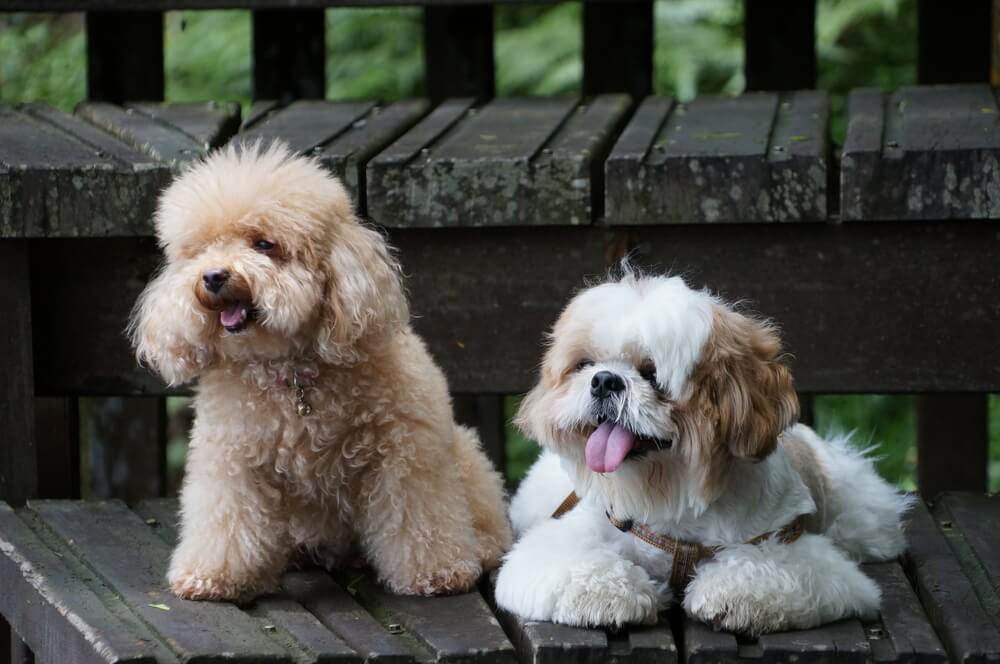

Estimated reading time: 14 minutes
You love dogs. Your immune system? Not so much.
Maybe you’ve spent years admiring other people’s pups from a safe distance, or maybe you already know the exact aisle where your pharmacy keeps the antihistamines. Either way, you’ve probably wondered: is there a dog out there that won’t leave you reaching for tissues every five minutes?
Small hypoallergenic dogs produce less dander and shed minimally, which means fewer allergens circulating through your home. They’re not magic—no dog is truly allergen-free—but for the 10–20% of the population affected by pet allergies, they make the difference between dreaming about dog ownership and actually living it.
Below, you’ll find 10 of the best small hypoallergenic dog breeds for people with allergies, plus how to pick the right one, what grooming really looks like, and how what goes in the bowl shows up on the coat.
What Makes a Dog Hypoallergenic
The term “hypoallergenic” gets tossed around a lot, but it simply means reduced allergens—not zero. Small, low-shedding breeds like the Bichon Frise, Miniature Schnauzer, Toy Poodle, and Shih Tzu produce less dander than other dogs, making them a better match for sensitive sinuses. But regular grooming is still very much part of the deal.
The Truth About Dog Allergens and Dander
Here’s something that surprises a lot of people: the fur itself isn’t the problem. Allergies are triggered by proteins found in dander (tiny flakes of skin), saliva, and urine. When a dog sheds, those proteins hitch a ride on loose hair and spread throughout your home—onto your couch, your clothes, and yes, your pillow.
Low-shedding breeds help because their coats trap dander close to the skin instead of launching it into the air. Curly and wiry coats are especially good at this. Fewer loose hairs floating around means fewer allergens landing on everything you own.
Why No Dog Is 100% Allergen-Free
Even the most hypoallergenic breed still produces dander, saliva, and skin oils. And individual reactions vary widely—you might be perfectly fine around a Miniature Schnauzer but start sneezing the moment a Shih Tzu climbs into your lap.
If allergies are a serious concern, spending time with a specific dog before committing is the smartest move you can make. Visit a breeder, a foster, or a shelter and see how your body responds over a few visits. Your future self (and your future dog) will thank you.
10 Small Hypoallergenic Dog Breeds for Allergy Sufferers
Each of these breeds consistently makes hypoallergenic lists because of their low-shedding coats and manageable dander levels. But personality, grooming needs, and lifestyle fit vary quite a bit—so finding your match is about more than just the coat.
1. Miniature Schnauzer
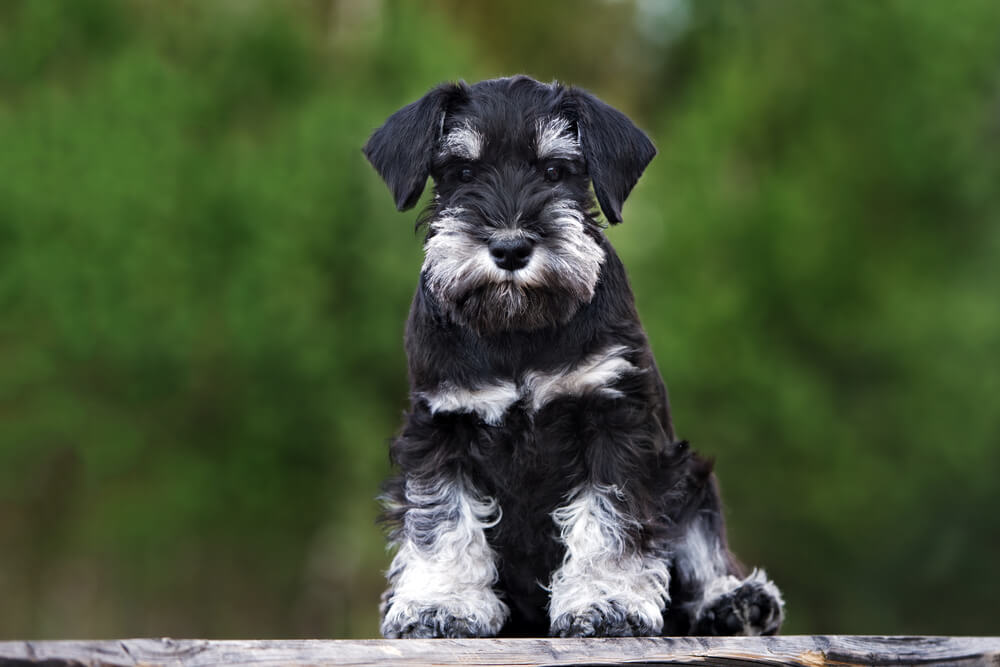
That beard. Those eyebrows. The Miniature Schnauzer looks like a tiny, distinguished professor—and has the brains to match. Ranking 19 out of 195 breeds with the American Kennel Club, this spirited little terrier has a wiry double coat that sheds minimally and a personality that fills a room.
Miniature Schnauzers stand 12–14 inches tall and weigh 11–20 pounds. They’re alert, trainable, and make excellent watchdogs (they will inform you about every delivery truck, squirrel, and suspicious leaf). Their distinctive facial hair benefits from regular trimming, and their wiry coat stays in great shape with consistent brushing.
2. Bichon Frise
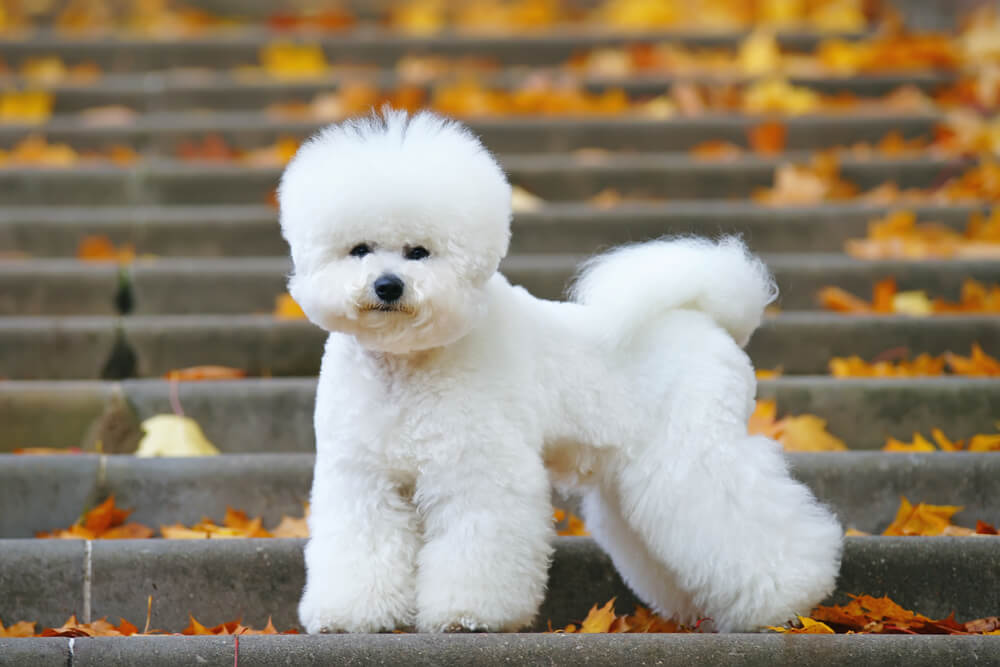
The name literally translates to “curly lap dog” in French, and the Bichon Frise delivers on every word. That cotton-ball coat traps dander close to the skin, and underneath all that fluff is a cheerful, playful dog who thrives on being the center of attention.
Bichons stand 9.5–11.5 inches tall and weigh 12–18 pounds. They’re social dogs who love being around people and adapt beautifully to apartment living. Their curly coats require brushing several times a week and professional grooming every 4–6 weeks—but those curls don’t shed, which is the whole point.
3. Shih Tzu
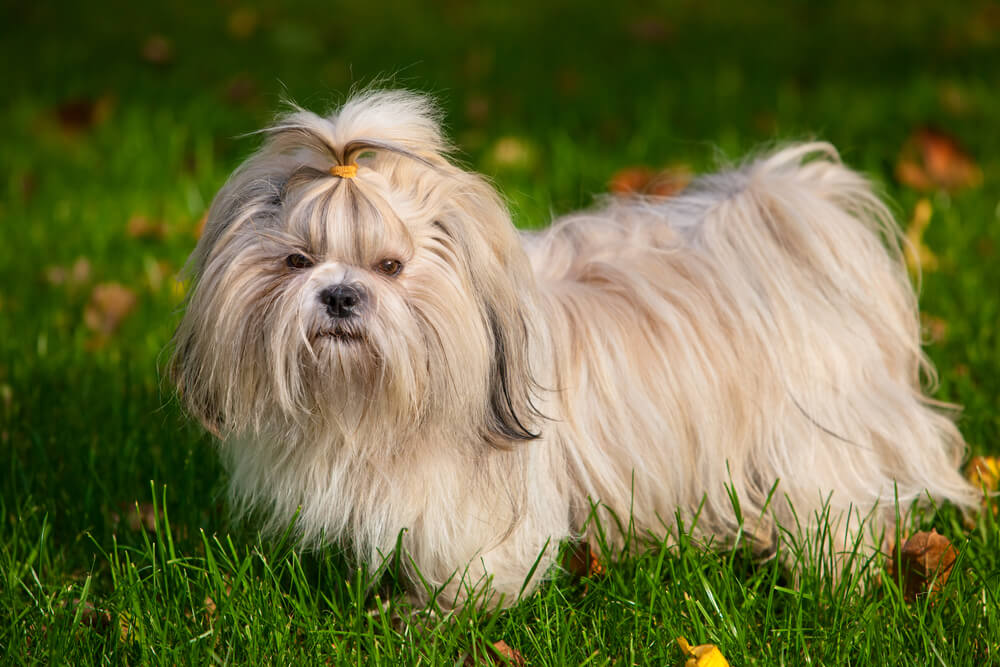
Originally bred as companion dogs for Chinese royalty, Shih Tzus have never forgotten their roots. They live for closeness—your lap, your feet, your pillow (they’re not picky as long as they’re near you). They rank 20 in popularity with the AKC, and it’s easy to see why: playful, outgoing, and absolutely devoted to their people.
Shih Tzus stand 9–10.5 inches tall and weigh 9–16.5 pounds. Their luxurious double coat looks high-maintenance, and it can be—daily brushing helps, or many owners opt for a shorter “puppy cut” that keeps things manageable. Either way, expect a lot of personality in a very small package.
4. Toy Poodle
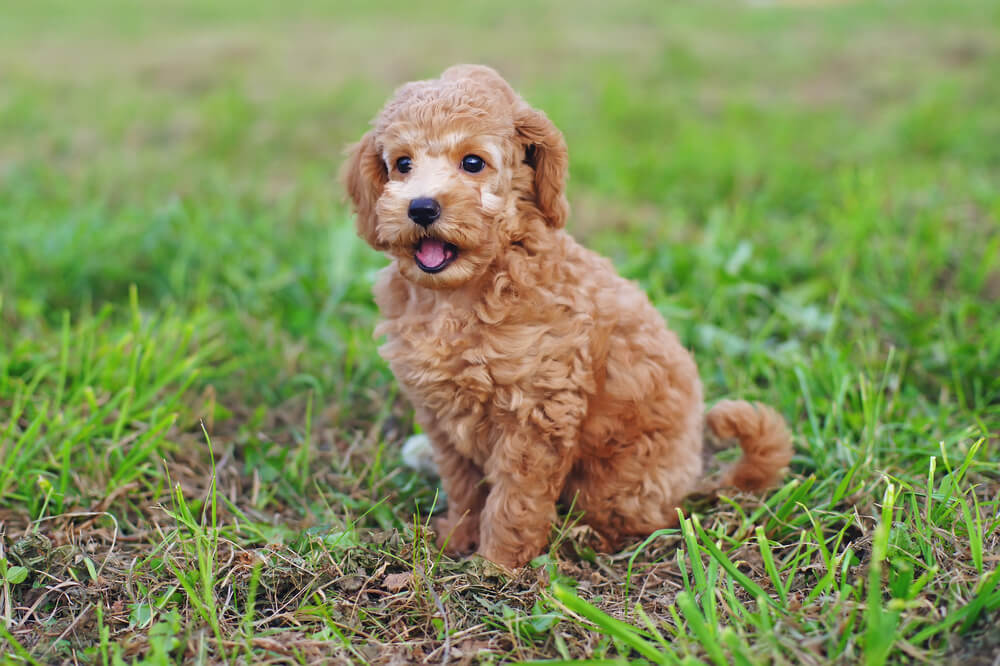
Poodles are often considered the gold standard of hypoallergenic breeds, and the Toy Poodle packs all that intelligence and elegance into the smallest possible frame. Their curly, dense coats don’t shed, and they’re remarkably trainable—the kind of dog that makes you look like a better dog trainer than you actually are.
Toy Poodles stand no more than 10 inches tall and weigh 4–6 pounds. Don’t let the size fool you—they have big personalities and thrive with mental stimulation. Professional grooming every 4–6 weeks keeps their coats from matting, and there’s a whole world of Poodle haircuts to explore if you’re feeling creative.
5. West Highland White Terrier
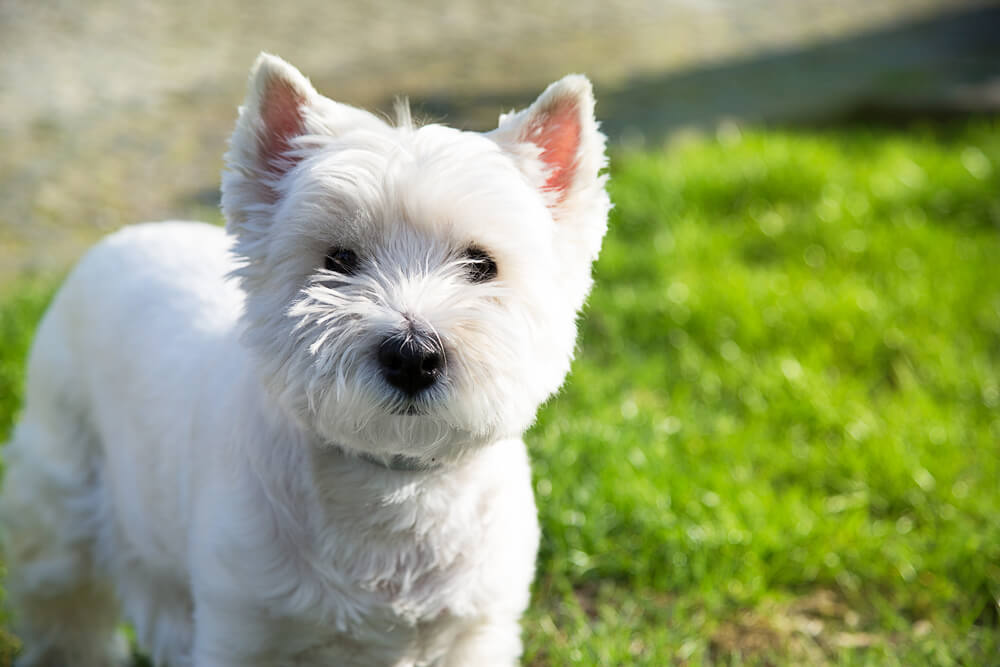
The Westie is as sturdy and spirited as its name suggests. Known for loyalty, playfulness, and a happiness that seems to radiate off that bright white coat, the West Highland Terrier is a household companion that won’t stir up your allergies—or let you have a boring day.
Westies stand about 11 inches tall and weigh 15–20 pounds. Their dense double coat sheds minimally but benefits from regular brushing and professional grooming every few months. They have plenty of spunk and a terrier’s confidence, which means they’ll approach life (and squirrels) with impressive enthusiasm.
6. Scottish Terrier
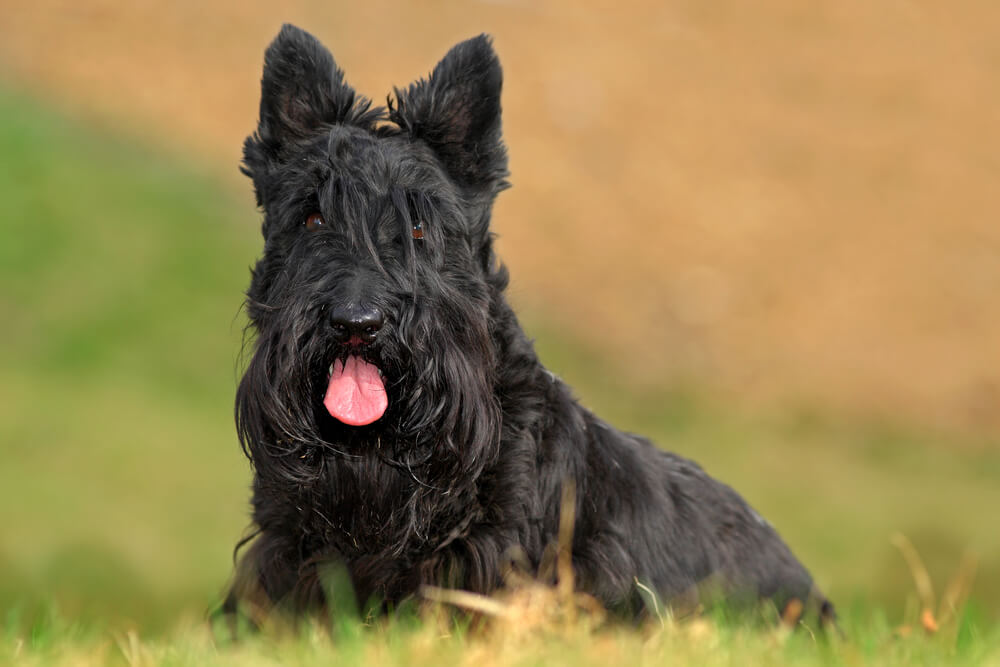
You’ll know a Scottie when you see one. Those prominent, pointed ears. That scruffy mustache. The air of a dog who is absolutely certain it’s in charge. The Scottish Terrier is confident, dignified, and independent—a thinker who brightens every room it enters, even if it pretends not to care.
Scotties stand about 10 inches tall and weigh 18–22 pounds. Their wiry, weather-resistant coat sheds very little and stays healthy with regular brushing and occasional hand-stripping. These are dogs with strong personalities who are loyal to their people but have zero interest in being anyone’s pushover.
7. Griffon Bruxellois
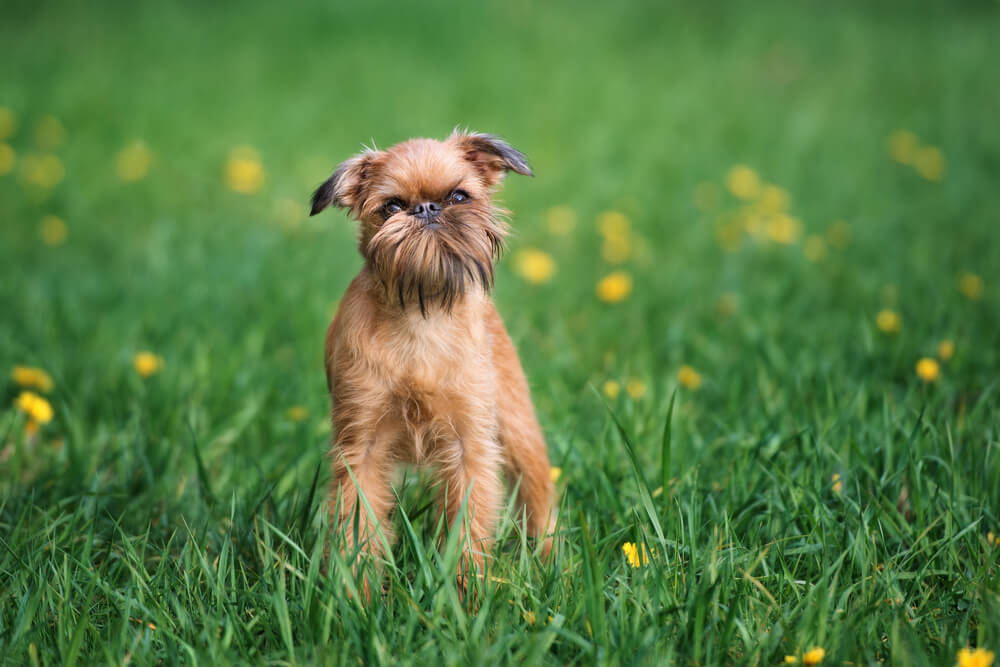
If you want a dog that doesn’t miss a single thing happening in your home, the Griffon Bruxellois is your match. This loyal and alert little dog has a curiosity that keeps it constantly on the job—investigating every scent, sound, and suspicious crinkle of a snack bag.
The Griffon Bruxellois is a true toy breed, standing no more than 10 inches tall and generally weighing up to 10 pounds. What it lacks in size, it makes up for in sheer personality. Their rough coat variety sheds very little and requires regular brushing to keep it tidy. For a dog this small, they have a remarkably commanding presence.
8. Bolognese
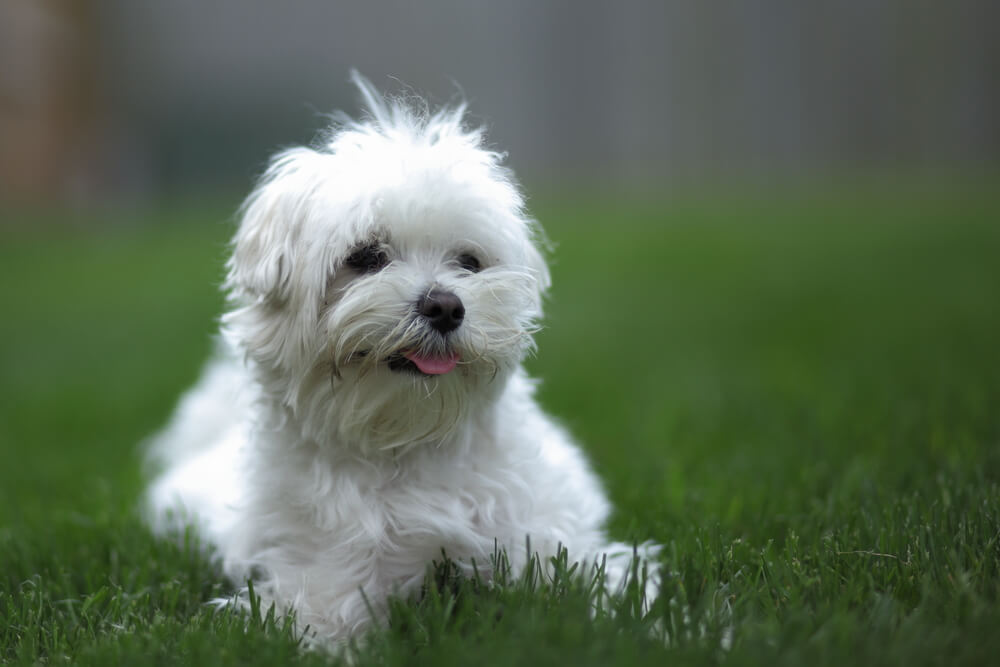
No, a pasta dish did not make this list (though we’d understand the confusion). The Bolognese is a rare Italian breed with a fluffy white coat that looks like a small cloud of fuzz—but barely sheds or leaves behind dander.
Bolognese dogs stand 10–12 inches tall and weigh just 5.5–9 pounds. They’re often described as laid-back and playful, but their loyalty runs deep. This is a breed that bonds to its family and means it. Regular brushing prevents their cottony coats from matting, and their calm temperament makes them wonderful companions for people who appreciate a quieter kind of devotion.
9. Chinese Crested
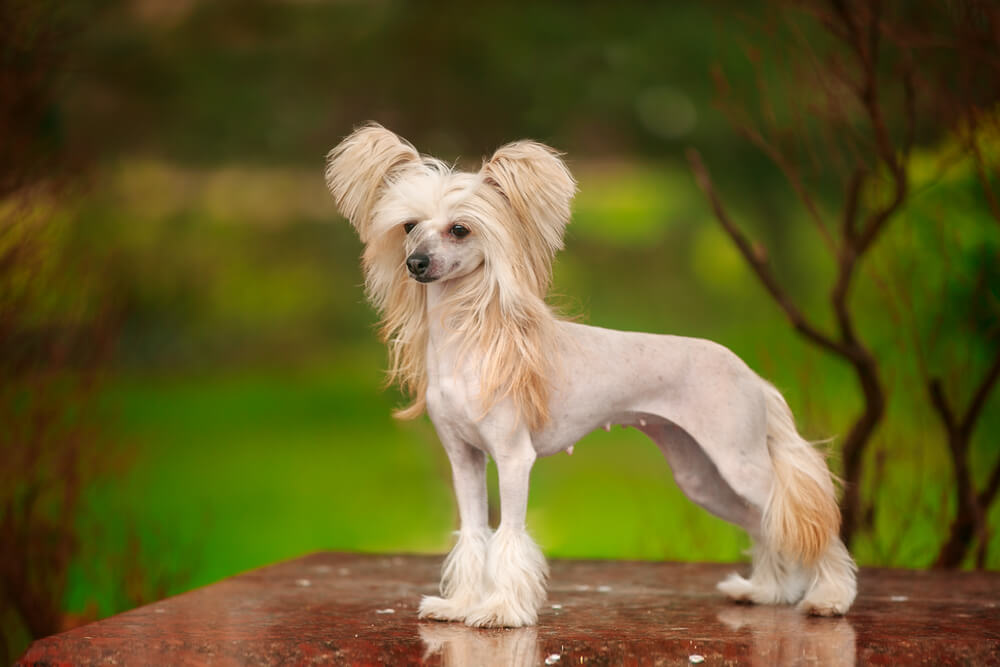
You might not know the name, but you’d recognize this dog anywhere. The Chinese Crested only has wisps of fur on its ears, head, and around its legs—the rest is all skin, all confidence. There’s also a fully coated “powderpuff” variety, and both are low-shedding.
Chinese Cresteds stand 11–13 inches tall and weigh up to 12 pounds. They’re affectionate and lively, with personalities that more than make up for the unconventional look. The hairless variety does benefit from sun protection and basic skincare. If you’re looking for a hypoallergenic breed that comes with its own built-in conversation starter, this is the one.
10. Bedlington Terrier
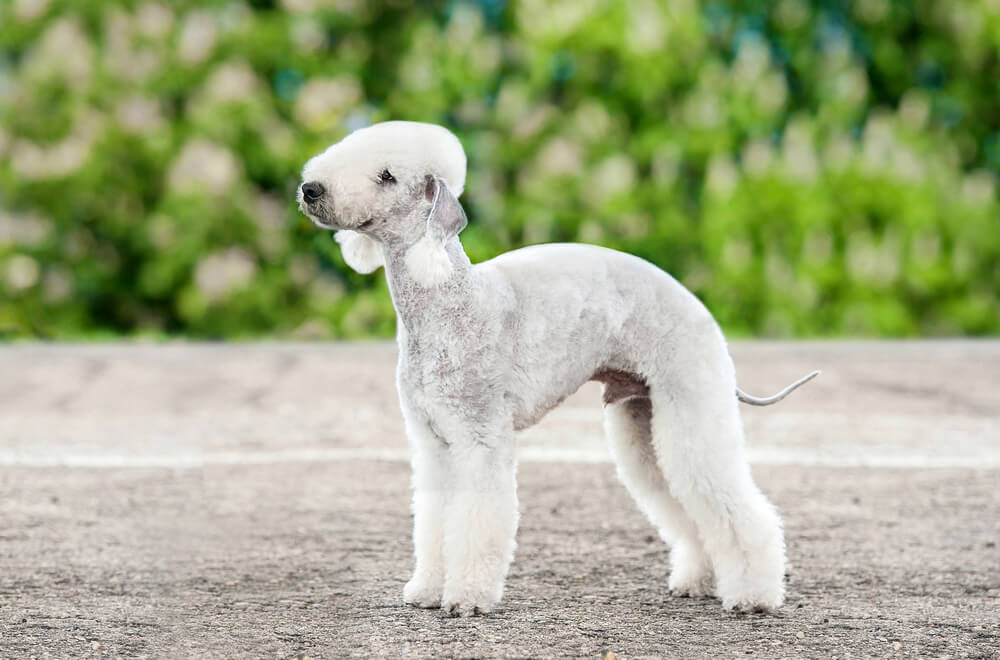
The Bedlington Terrier looks like a small lamb that wandered into a dog park and decided to stay. With a short, curly coat and a distinctive thin tail, this breed turns heads wherever it goes.
Bedlingtons stand 15–17.5 inches tall and weigh 17–23 pounds, making them the largest on this list. They’re charming dogs who enjoy exploring their surroundings at a comfortable pace—but don’t let the gentle appearance fool you. Bedlingtons are loyal, surprisingly athletic, and they won’t shed all over your couch in the process.
Are Doodles and Designer Mixes Actually Hypoallergenic?
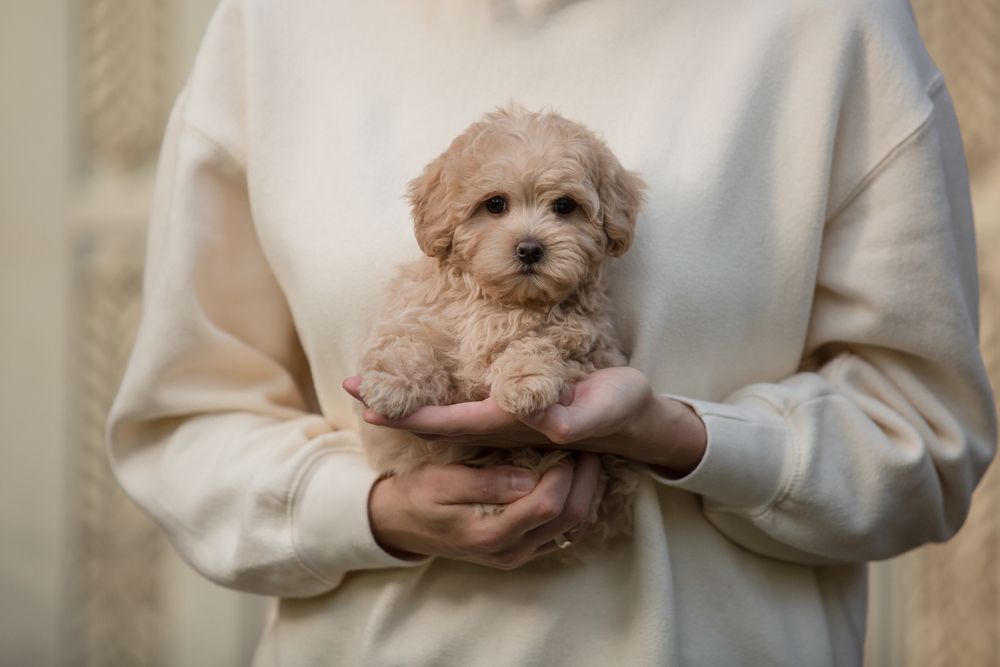
Poodle mixes—Maltipoos, Yorkipoos, Schnoodles, Havapoos—are often marketed as hypoallergenic, but the reality is more complicated. Coat type varies widely even within a single litter. Some puppies inherit the Poodle’s curly, non-shedding coat; others take after the other parent breed and shed more than you’d expect.
If allergies are your primary concern, meeting the specific dog before adopting is essential. A “doodle” name doesn’t guarantee a hypoallergenic coat—it guarantees an adorable face, but that’s about it.
Small Dog Breeds That Shed (and May Trigger Allergies)
Not every small dog is a good fit for allergy sufferers. These popular breeds shed more than you might think:
- Chihuahua: Sheds moderately year-round despite the short coat.
- Pomeranian: Heavy shedder with a thick double coat—all that fluff has to go somewhere.
- Pug: Short coat, but constant shedding. Pugs are generous that way.
- Beagle: Double coat that sheds seasonally, and they’re not subtle about it.
- French Bulldog: Sheds more than many people anticipate—don’t let the low-maintenance look fool you.
How to Choose the Right Small Hypoallergenic Dog
Finding the right breed goes well beyond coat type. Your lifestyle, living space, and daily routine all play a role. Learn more about dog nutrition and breed-specific care to support your new pup’s health.
Evaluate Your Living Space and Lifestyle
Apartment dwellers often do well with Bichons, Shih Tzus, or Toy Poodles—breeds that adapt to smaller spaces and don’t require a yard. If you have more room and want a dog with terrier energy, a Miniature Schnauzer or Westie might be a better fit. And if you want a dog that’s happy to match your pace on a quiet evening, the Bolognese or Griffon Bruxellois won’t complain.
Match the Breed’s Energy to Your Routine
Some of the breeds on this list are happy with a short walk and plenty of lap time. Others have surprising energy. Toy Poodles and Bichons benefit from mental stimulation and regular activity. Shih Tzus and Bolognese are calmer companions who are content with shorter walks and a good spot on the couch next to you.
Understand the Grooming Commitment
Here’s the trade-off with hypoallergenic breeds: low-shedding doesn’t mean low-maintenance. Most of these dogs need regular brushing—sometimes daily—and professional grooming every 4–8 weeks. If that sounds like a lot, a shorter haircut can simplify things, but grooming is still part of the package. Think of it this way: less fur on your furniture, more time at the groomer.
Consider Compatibility With Kids and Other Pets
Bichons and Shih Tzus tend to be naturally social and great with families. Scottish Terriers and Bedlington Terriers can be more independent and may do better in quieter households or as the star of a one-dog show.
Grooming Essentials for Small Dogs That Don’t Shed
Low-shedding coats need consistent care to stay healthy and keep allergens under control. Here’s what that actually looks like.
Brushing and Bathing Basics
Brush several times a week to prevent mats and remove trapped dander. Bathing frequency depends on the breed, but regular baths help wash away allergens that build up in the coat. Use the right tools—a slicker brush for curly coats (like your Bichon or Poodle), a pin brush for silky coats (like your Shih Tzu).
When to Schedule Professional Grooming
Most small hypoallergenic dogs benefit from professional grooming every 4–8 weeks. Regular haircuts keep coats manageable and reduce dander buildup. Your groomer can also check ears, trim nails, and spot skin issues early.
Simple Ways to Reduce Allergens at Home
- Vacuum frequently: Floors and furniture collect dander quickly
- Wash bedding weekly: Both yours and your dog’s
- Create pet-free zones: Keeping the bedroom off-limits can help with nighttime allergy relief
- Use HEPA air purifiers: They capture airborne allergens effectively
How Fresh Food Supports Coat Health in Small Hypoallergenic Dogs
What goes into the bowl shows up on the coat. Nutrition directly impacts skin health, and healthy skin produces less dander.
Diets rich in quality proteins and omega fatty acids support a shinier, healthier coat. Fresh, human-grade food with real ingredients—not fillers like corn, wheat, or soy—can help reduce inflammation and support the skin barrier.
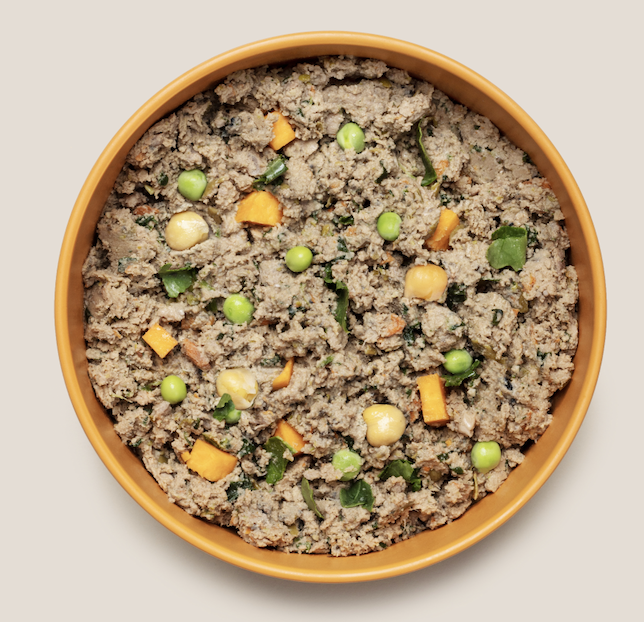
At Ollie, our recipes are formulated with skin and coat health in mind. Real meat, fresh vegetables, and healthy fats work together to nourish from the inside out. A sleeker coat that really shines—in real life and all your pics.
Your Next Steps to Finding a Small Hypoallergenic Dog
The right small hypoallergenic dog is out there—it just takes a little research and some quality time with potential matches. Visit a breeder, meet a foster, or stop by your local shelter. Spend time with the breed (and the specific dog) before making it official.
Once you find your perfect match, supporting their health with quality nutrition helps them thrive. A fresh, balanced diet can make a real difference in coat health, energy levels, and the kind of wellbeing you can see from across the room—a wagging tail and a coat that looks as good as they feel. Get Started to explore fresh food that supports coat health and overall wellbeing.
FAQs About Small Hypoallergenic Dog Breeds
Can you still be allergic to hypoallergenic dogs?
Yes. Hypoallergenic means reduced allergens, not zero. Individual sensitivity varies, so spending time with a specific breed—or even a specific dog—before adopting is always smart.
How can you test if a breed triggers your allergies?
Spend time with the specific dog in an enclosed space, ideally over multiple visits. This gives your body a chance to react (or not) before you commit. It’s the most reliable way to know.
Are small hypoallergenic dogs available at shelters and rescues?
Absolutely. Breed-specific rescues exist for many hypoallergenic breeds, and general shelters sometimes have low-shedding breeds or mixes. Searching online databases like Petfinder can help you find what’s available near you.
Which small hypoallergenic dogs are best for apartment living?
Bichon Frise, Shih Tzu, Toy Poodle, and Bolognese all adapt well to smaller spaces. Their moderate energy levels and compact size make them natural apartment dogs—just be prepared for the occasional burst of zoomies.
Do small hypoallergenic dog breeds require more grooming than other dogs?
Most do. Their low-shedding coats need regular brushing and professional grooming to prevent mats and maintain skin health. It’s a trade-off worth making: less shedding around the house, a bit more time keeping their coat in shape.
How can I reduce dog allergy symptoms?
If you are a pet owner with allergies who already shares your life with a non-hypoallergenic dog, there are a few methods you can employ to possibly reduce the amount of pet dander
The Ollie blog is devoted to helping pet parents lead healthier lives with their pups. If you want to learn more about our fresh, human-grade food, check out ollie.com.
Disclaimer: This article and the Ollie blog is for informational purposes only and is not a substitute for professional veterinary advice, diagnosis, or treatment. If your dog is showing signs of illness and/or injury, always consult your veterinarian promptly. Every dog is different, and any dietary change should be discussed with your veterinarian. Ollie is not a prescription or therapeutic diet and is not intended to prevent, treat, or manage any medical condition. Always work with your vet to determine the best care plan for your individual pup, especially if they’ve been diagnosed with a health condition.
Tagged As:
The nutrition your dog needs,
the food they want.
Written by:


Enjoying our articles? Subscribe our Newsletters and get new articles directly to your inbox
You might also like
30 August 2026
13 MINS READ
Chihuahua: Pros, Cons, and Diet Guide
The Chihuahua packs huge personality into a tiny frame. Learn about Chihuahua pros and cons, temperament, key health concerns, and expert feeding tips.
25 August 2026
10 MINS READ
Shih Tzu: Pros, Cons, and Best Food Guide
Thinking about bringing home a Shih Tzu? This guide breaks down the breed’s personality, grooming needs, and whether it’s the right fit for your life.
25 August 2026
10 MINS READ
Golden Retriever: Pros, Cons, and Diet Guide
Golden retrievers are famously friendly, but they come with unique needs—from heavy shedding to significant health risks like cancer. Discover the pros, cons, and how the right diet supports your…