[EXCLUSIVE] Ollie Blog readers! 70% OFF your First Box + FREE Ollie Hat (for You!) AND Bandana (for Pup!) Try now!


Reviewed by: Catherine Carchedi, MS, DVM; Lindsay Cassibry, MPH, DVM; and Brittany White, PhD.
What is the best food for maltipoos?
- Maltipoos are prone to sensitive stomachs, so the best diet is a complete, highly digestible one with quality protein, a short ingredient list, and nothing harsh on a small digestive system.
- As a small breed, they do best on nutrient-dense food in modest portions, plus support for the dental issues small dogs are prone to (no food replaces brushing, but softer fresh food is kind to a little mouth).
- Size varies a lot, since a toy-poodle cross can weigh much less than a miniature cross, so portions should be sized to your individual dog rather than a one-size guideline.
- Recognizable, limited ingredients make it much easier to feed around the food sensitivities and itchy skin maltipoos sometimes deal with, and to run a vet-guided elimination trial if it ever comes to that.
- However you feed, transition gradually over a week or two. A small dog with a sensitive stomach does best with slow, steady changes.
A maltipoo is a cross between a Maltese and a toy or miniature poodle, and the result is one of the most popular designer dogs around: a small, affectionate, low-shedding companion with a teddy-bear face and a personality far bigger than its frame [1][6]. This guide covers the maltipoo’s pros and cons, the reality of living with one day to day, the health issues to watch for, and how to feed a small dog with a famously sensitive stomach.
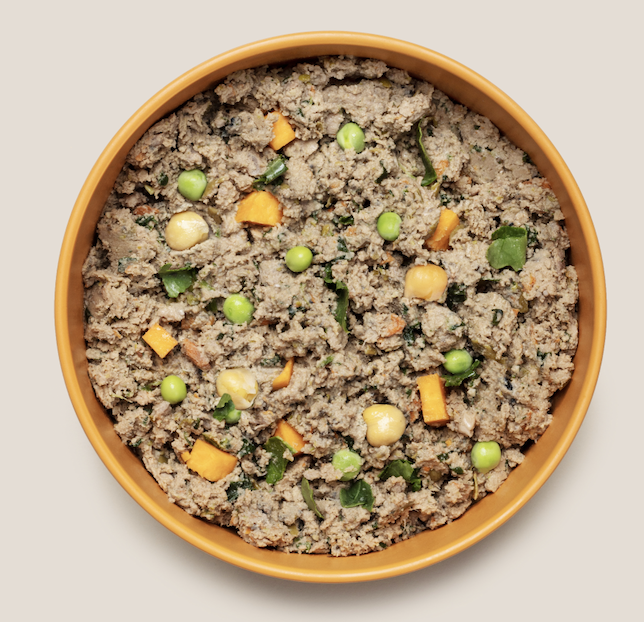
Ollie is a natural fit for the breed’s biggest food challenge: the sensitive maltipoo stomach. Fresh food helps on two fronts, a short list of recognizable, high-quality ingredients is easier for a small system to break down than a long list of fillers and unknowns, and consistent, gently cooked meals cut down on the dietary surprises that upset a touchy tummy. Better ingredients, in other words, translate fairly directly into better digestion. Every Ollie recipe is crafted with chefs and veterinary nutritionists, made with real, recognizable ingredients, and portioned to your individual dog.
See Ollie’s fresh meal plans for maltipoos →
Maltipoos at a glance
- Size: Varies widely with parentage. Most maltipoos weigh 5 to 20 pounds and stand about 8 to 14 inches at the shoulder, depending on whether the poodle parent was a toy or miniature [1].
- Lifespan: Long-lived for a dog, typically around 12 to 15 years or more [1].
- Coat: Soft and wavy to curly, and low-shedding. Often called “low-allergen,” though no dog is truly hypoallergenic. Needs regular brushing and trims [1].
- Parentage: A cross between the Maltese and the toy or miniature poodle. A designer hybrid, not recognized as a breed by kennel clubs, so there’s no single breed standard [1].
- Temperament: Affectionate, friendly, intelligent, and deeply people-oriented, with a sensitive streak. The poodle side tends to bring notable smarts [6].
- Energy: Moderate. Happy with short walks and indoor play, and well suited to apartment life.
- Barking: Vocal. Maltipoos alert readily and can become barky without early training.
- Best for: Apartment dwellers, first-time owners, families, and seniors who want a small, loving companion and can commit to grooming and plenty of together time.
Maltipoo Dog Breed Guide
| Trait: | Details: |
| Size: | Small (5 – 20 pounds) |
| Coat Type: | Curly or wavy fur, low-shedding |
| Life Expectancy: | 12-16 years |
| Energy Level: | Moderate to High |
| Good With Kids? | Yes |
| Good For Apartments? | Yes |
| Hypoallergenic? | Considered Low-Allergen |
| Barking Level: | Moderate |
| Trainability: | High |
Pros of owning a maltipoo
- Apartment-friendly. Small, adaptable, and easy to exercise indoors, they fit almost anywhere.
- Low-shedding coat. That curly, dander-trapping coat is why many people with mild allergies tolerate maltipoos well (though no dog is fully hypoallergenic).
- Friendly and affectionate. Gentle and people-loving, they’re wonderful with children and seniors and often make excellent therapy dogs.
- Smart and trainable. With a poodle parent, maltipoos tend to be quick learners and eager to please.
- Long-lived. With good care, many enjoy 12 to 15 years or more [1].
Cons of owning a maltipoo
- They’re sensitive. Maltipoos pick up on stress and can struggle in loud, chaotic, or unpredictable homes, sometimes coming across as shy or anxious.
- Separation anxiety is common. They bond hard and don’t love being left alone for long stretches, so they suit homes with company much of the day.
- The coat is upkeep. Expect brushing several times a week, regular trims, and grooming costs, or mats will form quickly.
- Puppies can be pricey. Designer demand drives high prices, which unfortunately attracts puppy mills, so research any breeder carefully.
- They can be barky. That alert, vocal streak needs early training to stay manageable, especially in an apartment.
- They can inherit health issues from both sides. More on what to watch for below.
Maltipoo personality and temperament
Maltipoos are affectionate to the core. These are velcro dogs that want to be wherever their people are, happiest curled in a lap or following you room to room. They’re friendly, gentle, and playful, which makes them lovely family companions and natural comfort dogs.
Two traits define life with a maltipoo. First, they’re sensitive: responsive to household moods, easily rattled by loud or chaotic environments, and at their best with a calm, predictable routine. Second, they’re smart, thanks to the poodle side, which makes them quick to train with positive, reward-based methods, and quick to pick up bad habits without guidance [6]. Because they bond so closely, they’re prone to separation anxiety, so gradual alone-time practice and crate training from day one help enormously. They also tend to be vocal, so early work on managing barking is worth investing in.
Maltipoo health: what to watch for
Because a maltipoo is a Maltese and poodle mix, it can inherit health predispositions from both parent breeds, along with the issues common to small and toy dogs generally. None of this is a reason to worry, but knowing what to watch for helps you choose a responsible breeder who health-tests the parents and partner with your vet on prevention.
- Dental disease. Small jaws crowd the teeth, making plaque, tartar, and gum disease common. Daily brushing and professional cleanings are the best defense [1].
- Luxating patella. A slipping kneecap is one of the most common orthopedic issues in small breeds, ranging from mild and occasional to severe enough to need surgery [2].
- Tracheal collapse. The windpipe can weaken and flatten, producing a honking cough. A harness instead of a collar and a healthy weight help reduce strain [3].
- Eye conditions. Inherited issues like progressive retinal atrophy (a gradual loss of vision) and cataracts show up in the breed, which is why eye screening of breeding dogs is important [4].
- Ear infections. Floppy ears and hair in the ear canal trap moisture, so routine ear cleaning is important [1].
- Allergies and skin sensitivities. Maltipoos can react to environmental allergens and, less often, foods, with itching, redness, and paw licking among the signs [1].
- Epilepsy. Seizure disorders are seen in the breed, more often from the poodle side, and are typically managed with veterinary care.
- Liver (portosystemic) shunt. A congenital blood-vessel abnormality seen in small breeds, worth knowing about and screening for.
- Puppy hypoglycemia. Very small puppies can have dangerous drops in blood sugar, which is why tiny maltipoo pups need small, frequent meals.
Maltipoo dietary needs: small-breed nutrition explained
Feeding a maltipoo well starts with the realities of a small body. Little dogs have fast metabolisms and small stomachs, which means their food needs to be nutrient-dense: complete, balanced, and built on quality protein so a small portion delivers everything they need. Because the breed is prone to sensitive digestion, highly digestible ingredients matter just as much as what’s on the label.
From there, a few priorities shape the bowl. Omega-3 fatty acids (EPA and DHA) support skin and that signature coat, which is helpful for a breed that can be prone to itchiness [7]. A texture that’s easy for a small mouth to manage makes eating more comfortable, especially given the breed’s dental tendencies. And a short, recognizable ingredient list makes it far simpler to feed around any sensitivities.
For a small, sometimes-sensitive dog, fresh food has a clear advantage. Ollie’s recipes are crafted with chefs and veterinary nutritionists to be complete and balanced, made with real, recognizable ingredients, and portioned precisely to your dog, so feeding a little dog the right amount isn’t a daily guess.
Build your maltipoo’s perfectly portioned plan →
How much should I feed a maltipoo?
There’s no one ideal number, because the right amount depends on your dog’s weight, spay/neuter status, and activity level, and with maltipoos, that first variable swings widely. A 5-pound toy-poodle cross and a 20-pound miniature cross have very different calorie needs, so portions should always be sized to your individual dog rather than a generic chart.
A few principles hold across the board. Small dogs are easy to overfeed, and extra weight is hard on small joints, so measure portions and consider treats as part of their daily total, and check body condition regularly. Very small puppies need small, frequent meals to keep blood sugar steady. A fresh plan like Ollie’s gives you a head start, arriving already measured to your dog’s profile.
Maltipoo sensitive stomach: how diet helps
This is one of the breed’s most talked-about issues. What should a maltipoo with a sensitive stomach eat? A complete, highly digestible diet of quality protein with a short, recognizable ingredient list, introduced gradually. Fresh, gently cooked food like Ollie’s fits that description well.
Small dogs, including maltipoos, can be prone to digestive sensitivity, showing up as loose stools, occasional vomiting, gas, or fussiness around food. A few diet habits make a meaningful difference [5]:
- Feed a highly digestible, quality diet. Simple, recognizable ingredients are easier on the gut than long ingredient lists full of fillers.
- Stay consistent. Frequent food switches and table scraps are common triggers, so once you find a food that works, stick with it.
- Transition slowly. When you do change foods, do it gradually over 7 to 14 days, mixing in a little more of the new food every few days and watching how your dog responds [5].
- Consider smaller, more frequent meals. Spreading food across the day can be gentler on a small, sensitive system.
If digestive trouble is persistent or severe, see your vet to rule out underlying issues. For everyday sensitivity, though, a clean, consistent diet is one of the most effective tools you have, which is exactly why Ollie’s real, recognizable ingredients and consistent fresh meals are so popular for maltipoos.
What is the best food for maltipoos (including puppies)?
So what should actually go in the bowl? For most maltipoos, the best food checks these boxes:
- Complete and balanced for their life stage, whether puppy, adult, or senior.
- Highly digestible, with quality named proteins, to suit a small, sometimes-sensitive digestive system.
- A short, recognizable ingredient list, which makes feeding around sensitivities far easier.
- A texture and portion size suited to a small mouth and a small body.
- Portions sized to your individual dog, since maltipoos range so widely in size.
For puppies, the same priorities apply, with small, frequent meals of a complete and balanced growth food to keep tiny tummies full and blood sugar steady. Fresh, gently cooked food like Ollie’s is crafted with these needs in mind: made in collaboration with chefs and veterinary nutritionists, real recognizable ingredients, and portions tailored to your dog’s exact size, spay/neuter status, and activity.
Start your maltipoo’s fresh food plan →
Frequently asked questions about maltipoos
Q: Do maltipoos have sensitive stomachs?
A: Many do. As a small breed with Maltese and poodle parentage, maltipoos can be prone to digestive sensitivity. A complete, highly digestible diet with recognizable ingredients, fed consistently and changed only gradually, is the best way to keep their stomachs settled [5].
Q: What is the best food for a maltipoo?
A: A complete, balanced, highly digestible diet built on quality protein, with a short, recognizable ingredient list and portions sized to your individual dog [1][5]. Fresh, gently cooked food like Ollie’s is a natural match for most maltipoos.
Q: Is fresh food good for maltipoos?
A: Yes. For a breed this prone to a sensitive stomach, fresh food like Ollie’s helps on two fronts: a short list of recognizable, human-grade ingredients is easier for a small system to break down, and consistent meals cut down on the dietary changes that tend to trigger upset.
Q: How much should a maltipoo eat per day?
A: It depends on weight, age, and activity, and maltipoos vary a lot in size, so there’s no single answer. Measure portions, keep your dog lean, and ask your vet for a target weight and daily amount.
Q: Are maltipoos picky eaters?
A: They can be, especially if they’ve had a lot of treats or table food. Fresh, flavorful, properly portioned meals tend to win them over, and keeping treats to a small share of daily calories helps keep them interested in their actual food.
Q: What ingredients should I avoid for a maltipoo?
A: Beyond the foods toxic to all dogs (chocolate, grapes and raisins, onions, and xylitol), the main thing is avoiding any ingredient your individual dog reacts to, which a vet-guided elimination trial can help identify [5]. Low-quality fillers are best avoided generally.
Q: Are maltipoos prone to allergies?
A: They can be. Maltipoos may react to environmental allergens and, less commonly, foods, with itchy skin and ear issues among the signs [1]. Most chronic itching in dogs is environmental rather than food-related, so a vet can help pinpoint the cause.
Q: Are maltipoos hypoallergenic?
A: No dog is completely hypoallergenic, but maltipoos are low-shedding and considered low-allergen. Their poodle-influenced coat traps dander, which can mean fewer symptoms for some people with mild allergies [1].
Q: How do I switch my maltipoo to fresh food?
A: Slowly. Transition over 7 to 14 days, starting with a small amount of the new food mixed into the old and increasing it every few days while you watch your dog’s stools and appetite [5]. For a sensitive-stomached dog, slower is better, so extend the timeline if needed.
References and further reading
- PetMD. Maltipoo Dog Breed Health and Care. https://www.petmd.com/dog/breeds/maltipoo
- American College of Veterinary Surgeons. Patellar Luxations. https://www.acvs.org/small-animal/patellar-luxations/
- VCA Animal Hospitals. Tracheal Collapse in Dogs. https://vcahospitals.com/know-your-pet/tracheal-collapse-in-dogs
- VCA Animal Hospitals. Progressive Retinal Atrophy in Dogs. https://vcahospitals.com/know-your-pet/progressive-retinal-atrophy-in-dogs
- PetMD. Bland Diet for Dogs. https://www.petmd.com/dog/nutrition/bland-diet-for-dogs
- American Kennel Club. Poodle (Standard) Dog Breed Information. https://www.akc.org/dog-breeds/poodle-standard/
- VCA Animal Hospitals. The Importance of Your Pet’s Skin and Coat and the Role of Diet. https://vcahospitals.com/know-your-pet/the-importance-of-your-pets-skin-and-coat-and-the-role-of-diet
The Ollie blog is devoted to helping pet parents lead healthier lives with their pups. If you want to learn more about our fresh, human-grade food, check out ollie.com. Elizabeth Wieck contributed to this article and it was reviewed by our in-house team of veterinarians and scientists, Catherine Carchedi, MS, DVM; Lindsay Cassibry, MPH, DVM; and Brittany White, PhD.
Disclaimer: This article and the Ollie blog is for informational purposes only and is not a substitute for professional veterinary advice, diagnosis, or treatment. If your dog is showing signs of illness and/or injury, always consult your veterinarian promptly. Every dog is different, and any dietary change should be discussed with your veterinarian. Ollie is not a prescription or therapeutic diet and is not intended to prevent, treat, or manage any medical condition. Always work with your vet to determine the best care plan for your individual pup, especially if they’ve been diagnosed with a health condition.
Tagged As:

The nutrition your dog needs,
the food they want.
Written by:
Jaime Bast is a registered veterinary technician from Saint Louis, Missouri. She graduated with a bachelor’s degree in theatre and english from Saint Louis University in 2008 before falling in love with veterinary medicine, pivoting her career plans, and completing her veterinary technician education and licensure in 2012. A lifelong learner, Jaime’s participation in dog sports and training led her to become a certified canine rehabilitation practitioner (CCRP) through the University of Tennessee in 2017 and a certified professional dog trainer (KPA-CTP) with Karen Pryor Academy in 2018. Jaime has a love of writing that has never waivered, and she joined Rumpus Writing and Editing as a veterinary copywriter in June 2021. Jaime is owned, loved, and trained by her cocker spaniel sidekicks, Tutti Fruitti and Luigi.


Enjoying our articles? Subscribe our Newsletters and get new articles directly to your inbox
You might also like

30 August 2026
13 MINS READ
Chihuahua: Pros, Cons, and Diet Guide
The Chihuahua packs huge personality into a tiny frame. Learn about Chihuahua pros and cons, temperament, key health concerns, and expert feeding tips.

25 August 2026
10 MINS READ
Shih Tzu: Pros, Cons, and Best Food Guide
Thinking about bringing home a Shih Tzu? This guide breaks down the breed’s personality, grooming needs, and whether it’s the right fit for your life.

25 August 2026
10 MINS READ
Golden Retriever: Pros, Cons, and Diet Guide
Golden retrievers are famously friendly, but they come with unique needs—from heavy shedding to significant health risks like cancer. Discover the pros, cons, and how the right diet supports your…