[EXCLUSIVE] Ollie Blog readers! 70% OFF your First Box + FREE Ollie Hat (for You!) AND Bandana (for Pup!) Try now!


Reviewed by: Catherine Carchedi, MS, DVM; Lindsay Cassibry, MPH, DVM; and Brittany White, PhD.
Few breeds were so thoroughly built for companionship as the shih tzu. Bred centuries ago to keep Chinese royalty company, they’re affectionate, charming, and perfectly content to spend the whole day right by your side, all wrapped in one of the most recognizable coats in the dog world [1]. This guide covers the shih tzu pros and cons, what that sweet, slightly stubborn personality is like to live with, the health issues worth knowing about, and how to feed a breed whose sensitive skin and stomach make every meal matter more.
This is also where Ollie fits in. Shih tzus are prone to itchy skin and touchy digestion, and what goes in the bowl is one of the biggest levers a pup parent has. Fresh, gently cooked meals with short, readable ingredient lists make sensitivities far easier to manage, and Ollie’s are crafted with chefs and veterinary nutritionists and portioned precisely so this small dog gets exactly what it needs without tipping into too much.
Shih tzu quick facts
- Size: A small toy breed, typically 9 to 16 pounds and about 9 to 10.5 inches at the shoulder. Compact and surprisingly sturdy rather than fragile [1].
- Lifespan: Roughly 10 to 16 years with good care.
- Coat: A long, flowing double coat that sheds very little but needs near-daily brushing and regular grooming. This is the single biggest care commitment of the breed.
- Group: AKC Toy group. They’re an ancient companion breed developed in China, where the name translates roughly to “lion dog.”
- Temperament: Affectionate, charming, and deeply people-oriented, with a stubborn streak that rewards patient, positive training.
- Energy: Moderate and easily satisfied. A couple of short walks and some indoor play usually cover it.
- Barking: A moderate alerter. They’ll announce a visitor, but don’t tend to be overly yappy.
- Best for: Apartment dwellers, retirees, first-time pup parents ready for the grooming, and families with gentle, supervised kids who want a devoted, low-shedding companion.
Pros of owning a shih tzu
- They live for companionship. Shih tzus form deep bonds with their people and want to be wherever you are, even if that’s just napping nearby while you work.
- They’re built for apartment life. Small, adaptable, and low-energy by nature, they don’t need a yard. They need you.
- They’re gentle with families. When introduced thoughtfully and supervised with young kids, shih tzus tend to be affectionate and patient, which is part of why some go on to become therapy dogs.
- They get along with other pets. Especially when socialized early, most shih tzus are easygoing housemates.
- They barely shed. That low-shedding coat is a draw for households that prefer less fur on the couch (though low-shedding is not the same as hypoallergenic).
- They’re portable and people-oriented. Shih tzus are easy to bring along, easy to love, and very, very good at lap time.
Cons of owning a shih tzu
- That gorgeous coat is high maintenance. A long-coated shih tzu needs near-daily brushing to prevent painful matting, plus regular grooming appointments. Those costs can add up.
- Flat-faced anatomy has consequences. As a brachycephalic breed, shih tzus can struggle with breathing and are more sensitive to heat, so they need to stay cool and skip strenuous activity in hot weather [2].
- Dental issues are common. Small jaws plus crowded teeth make this breed prone to dental disease, which means at-home brushing and professional cleanings are important to keep up with [2].
- They can be stubborn. Smart? Absolutely. Always willing to listen? Not necessarily. Early, positive training pays off.
- They’re prone to skin and eye issues. Itchy skin and eye conditions are among the most common owner complaints, which we’ll get into below [2].
- Weight creeps up easily. Since they’re not big exercisers, shih tzus can gain weight quickly without measured portions [2].
Shih tzu temperament: the little lion
“Shih tzu” translates roughly to “lion dog,” a nod to the breed’s regal origins and that magnificent mane of a coat [1]. But don’t let the name fool you. There’s nothing ferocious here. The shih tzu is a devoted, affectionate companion that wants nothing more than to be near its people.
Expect a dog that’s alert enough to announce a visitor but not relentlessly yappy. Expect a smart pup with a stubborn streak, which means training works best with patience and positive reinforcement rather than repetition and force. And expect a true velcro dog. Shih tzus thrive on closeness and can struggle when left alone for long stretches. For retirees, remote workers, or anyone wanting a loving shadow, that devotion is exactly the appeal.
Common shih tzu health issues
Like any purebred, the shih tzu comes with some breed-specific health predispositions. Knowing them helps you partner with your vet on prevention and catch problems early.
- Brachycephalic airway syndrome. The same flat face that makes the breed so endearing can mean narrowed airways, noisier breathing, and a harder time regulating temperature. It also makes shih tzus more vulnerable to overheating, so heat management is essential [2].
- Dental disease. Crowded, misaligned teeth in a small jaw create perfect conditions for plaque and tartar, making periodontal disease a leading concern for the breed. Regular dental care is non-negotiable [2].
- Eye conditions. Those big, expressive eyes sit prominently and with less protection, raising the risk of dryness, corneal injury, and other ocular issues [2].
- Patellar luxation and hip dysplasia. Like many small breeds, shih tzus can experience slipping kneecaps and joint problems that affect mobility over time.
- Renal dysplasia. This inherited kidney condition, in which the kidneys don’t develop normally, appears more frequently in shih tzus than in most other breeds [3]. Signs can include excessive thirst, increased urination, poor growth, and low energy, and they may show up early in life. There’s no cure, but management focused on hydration and reducing the kidneys’ workload can support quality of life [4].
- Heat sensitivity. Between the coat and the brachycephalic build, shih tzus don’t tolerate heat well and aren’t strong swimmers, so warm-weather caution is a must [2].
If you’re working with a breeder, ask about health testing of the bloodline, including for renal dysplasia, to give your future pup the best possible start.
Shih tzu nutritional needs
A shih tzu’s body has specific needs, and the right diet can support nearly every health concern above. The foundation is a high-quality, highly digestible food with real, named proteins, which gives a small dog a lot of nourishment without a lot of filler.
A dog’s coat is one of the most visible signals of what’s happening on the inside, and diet plays a direct role. Quality protein supports hair and skin structure, while omega-3 fatty acids (EPA and DHA) help calm inflammation and keep the coat soft and shiny. Omega-6 fatty acids and nutrients like zinc support a strong skin barrier, too [7].
This is also where fresh food shines. Ollie recipes are crafted with chefs and veterinary nutritionists to be complete, balanced, and gentle on sensitive systems, with ingredient lists you can actually read. For a flat-faced pup who can find some kibble shapes awkward to chew, the softer texture of gently cooked food is often a welcome change.
How much should I feed a shih tzu?
There’s no single magic number, because the right amount depends on your dog’s weight, age, activity level, and overall body condition. A young, growing puppy has very different needs than a mellow senior, and an active pup burns more than a committed couch companion.
A few principles hold true across the board. Shih tzus are small, so their daily calorie needs are modest, and it’s surprisingly easy to overfeed a dog this size. Because this breed gains weight easily and carries health risks tied to extra pounds, staying ahead of weight gain is one of the kindest things you can do [2].
One of the perks of a fresh plan like Ollie is that meals arrive pre-portioned to your dog’s specific profile, which takes the guesswork out of feeding a small dog the right amount.
Shih tzu allergies and food sensitivities
If you’ve landed here because your shih tzu won’t stop scratching, you’re far from alone. Itchy skin is one of the most common complaints among shih tzu parents.
In dogs, the majority of chronic itching traces back to environmental allergies (atopic dermatitis) rather than food [6]. Food allergies are less common than environmental allergies, and the two can look almost identical and even occur together [5]. So while switching food sometimes helps, it isn’t a guaranteed fix, and it shouldn’t replace a conversation with your vet.
Where diet really matters is for food-responsive cases. The only reliable way to confirm a food sensitivity is an elimination diet trial supervised by your veterinarian, typically using a limited-ingredient or novel-protein recipe for several weeks [5]. That’s exactly where a clean, short ingredient list comes in. When you know precisely what’s in the bowl, it’s far easier to work through a trial and, if a culprit turns up, to avoid it for good. Supporting the skin barrier from the inside with omega-3 fatty acids can help on the comfort front too [7].
Ollie’s clear, limited-ingredient recipes make the breed’s most common nutritional question, “what can I feed my shih tzu with sensitivities?”, a lot easier to answer. Pair that with your vet’s guidance, and you’ve got a real plan rather than a guessing game.
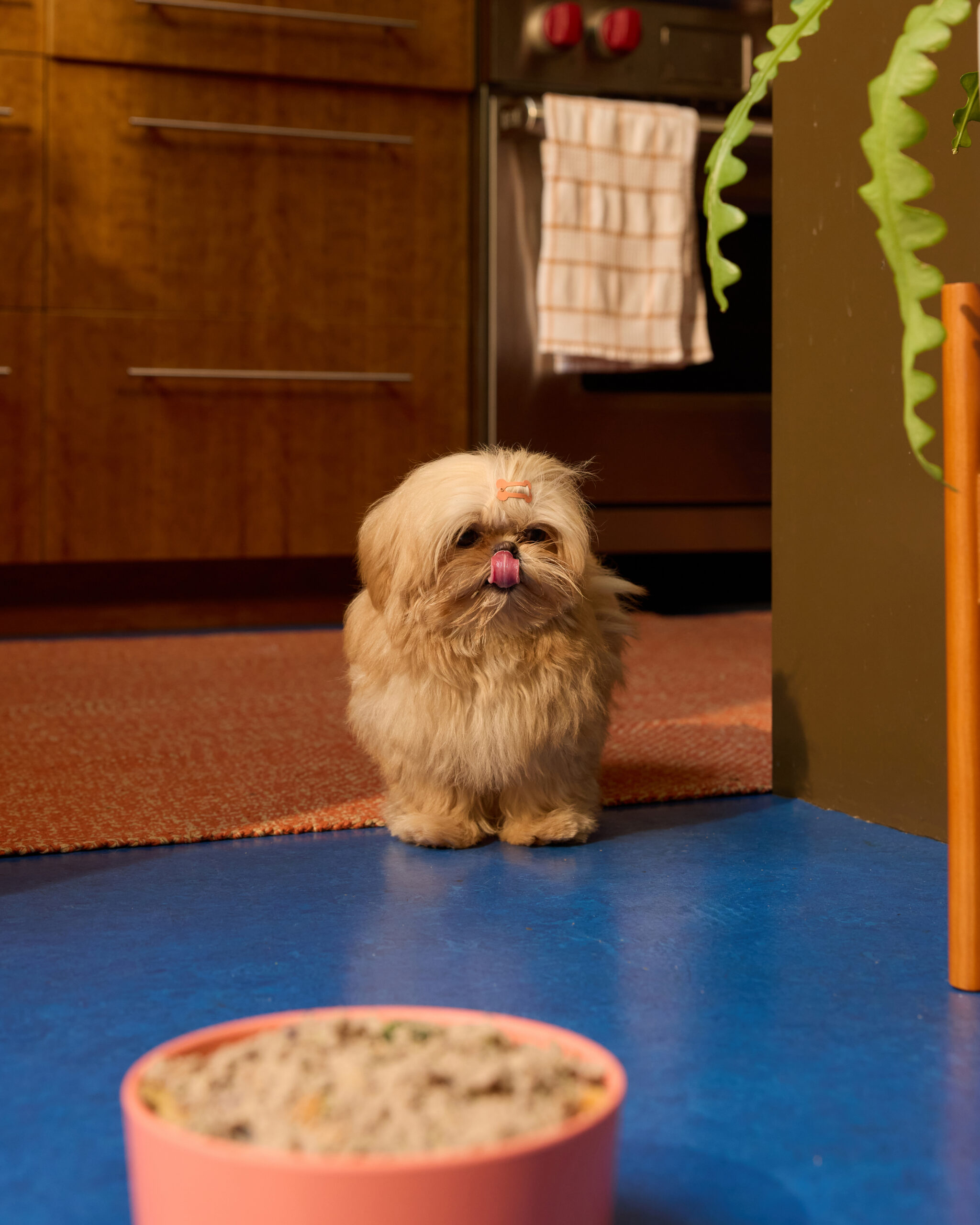
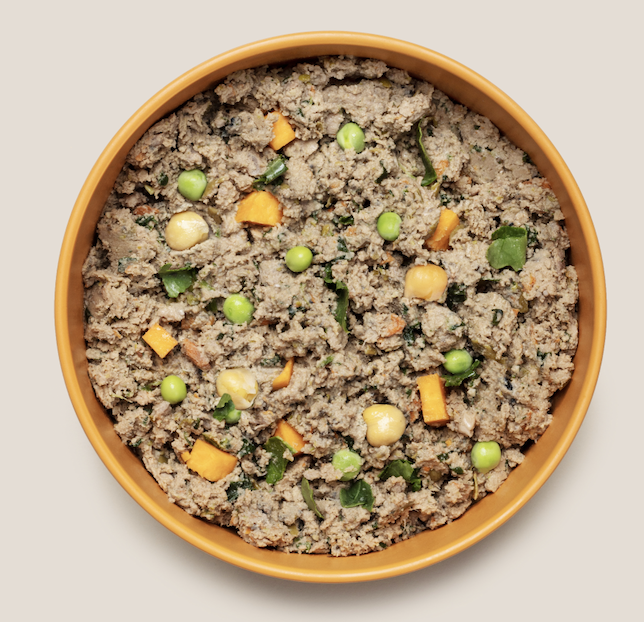
What is the best food for shih tzus?
So what should actually go in the bowl? For most shih tzus, the best food checks these boxes:
- Real, named proteins as the foundation, rather than vague meat by-product meals or fillers.
- A short, recognizable ingredient list, which makes life much easier if your pup has sensitivities and you ever need to pinpoint a trigger.
- Highly digestible, gentle formulation to support the sensitive stomachs this breed often has.
- Skin- and coat-supporting nutrients, including omega-3 fatty acids for that long coat [7].
- An easy-to-chew texture, which matters more than people realize for a flat-faced dog.
Ollie’s fresh, gently cooked recipes were shaped around these same needs: clean ingredient lists, crafted with chefs and veterinary nutritionists, and portions tailored to your individual dog. It’s a big reason why so many shih tzu parents reach for Ollie.
FAQs about shih tzus
Are shih tzus prone to food allergies?
Shih tzus are prone to itchy, sensitive skin, but it’s worth knowing that most chronic itching in dogs comes from environmental allergies rather than food [6]. True food sensitivities do happen, and when they’re suspected, a vet-supervised elimination diet is the best way to confirm them [5].
What is the best food for a shih tzu?
A high-quality, highly digestible diet with named proteins and a short ingredient list, ideally one that’s easy to chew and rich in skin- and coat-supporting omega-3s like Ollie’s.
Is fresh food good for shih tzus?
Yes. Fresh food like Ollie’s is made with human-grade ingredients and a short, readable list that suits the breed’s sensitive skin and stomach, and its softer, gently cooked texture is often easier for a flat-faced dog to chew than hard kibble.
How much should a shih tzu eat per day?
It depends on your pup’s weight, age, and activity level, but shih tzus are small dogs with modest calorie needs, so measured portions matter. Check body condition regularly and ask your vet for a target, especially since the breed gains weight easily [2].
Do shih tzus have dental problems?
Yes. Crowded teeth and a small jaw make periodontal disease one of the breed’s most common issues, so regular brushing and professional cleanings are important [2].
Are shih tzus prone to skin issues?
They are. Itchy, irritated skin ranks among the top owner complaints. Good nutrition, including omega-3 fatty acids, supports the skin barrier, and persistent issues are worth a vet visit to pin down the cause [6][7].
What foods should shih tzus avoid?
Beyond the foods toxic to all dogs (like chocolate, grapes, raisins, onions, and xylitol), the main thing is steering clear of any ingredient your individual dog reacts to, which a vet-guided diet trial can help identify [5]. Low-quality fillers and vague by-product meals are best avoided generally.
How does diet affect a shih tzu’s coat?
Diet plays a huge role in the health of a shih tzu’s coat. Protein supports the hair and skin structure, and omega-3 and omega-6 fatty acids help keep the coat soft, shiny, and less prone to flaking and irritation [7].
References and further reading
- American Kennel Club. Shih Tzu Dog Breed Information. https://www.akc.org/dog-breeds/shih-tzu/
- PetMD. Shih Tzu Dog Breed: Health, Care, and Lifestyle. https://www.petmd.com/dog/breeds/shih-tzu
- American Shih Tzu Club. Juvenile Renal Dysplasia in the Shih Tzu. https://shihtzu.org/juvenile_renal_dysplasia
- American Kennel Club. Renal Dysplasia in Dogs: Signs, Symptoms, Treatment. https://www.akc.org/expert-advice/health/renal-dysplasia-in-dogs/
- Jackson, H.A. Food allergy in dogs and cats: current perspectives on etiology, diagnosis, and management. Journal of the American Veterinary Medical Association. https://avmajournals.avma.org/view/journals/javma/261/S1/javma.22.12.0548.xml
- dvm360. Canine allergic dermatitis: pathogenesis, clinical signs, and diagnosis. https://www.dvm360.com/view/canine-allergic-dermatitis-pathogenesis-clinical-signs-and-diagnosis
- VCA Animal Hospitals. The Importance of Your Pet’s Skin and Coat and the Role of Diet. https://vcahospitals.com/know-your-pet/the-importance-of-your-pets-skin-and-coat-and-the-role-of-diet
The Ollie blog is devoted to helping pet parents lead healthier lives with their pups. If you want to learn more about our fresh, human-grade food, check out ollie.com. Elizabeth Wieck contributed to this article and it was reviewed by our in-house team of veterinarians and scientists, Catherine Carchedi, MS, DVM; Lindsay Cassibry, MPH, DVM; and Brittany White, PhD.
Disclaimer: This article and the Ollie blog is for informational purposes only and is not a substitute for professional veterinary advice, diagnosis, or treatment. If your dog is showing signs of illness and/or injury, always consult your veterinarian promptly. Every dog is different, and any dietary change should be discussed with your veterinarian. Ollie is not a prescription or therapeutic diet and is not intended to prevent, treat, or manage any medical condition. Always work with your vet to determine the best care plan for your individual pup, especially if they’ve been diagnosed with a health condition.
Tagged As:

The nutrition your dog needs,
the food they want.
Written by:
Marissa Taffer is a consultant, writer and strategist based in Philadelphia. She lives and works with her rescue dog Charlie, a certified therapy dog.



Enjoying our articles? Subscribe our Newsletters and get new articles directly to your inbox
You might also like

30 August 2026
13 MINS READ
Chihuahua: Pros, Cons, and Diet Guide
The Chihuahua packs huge personality into a tiny frame. Learn about Chihuahua pros and cons, temperament, key health concerns, and expert feeding tips.

25 August 2026
10 MINS READ
Golden Retriever: Pros, Cons, and Diet Guide
Golden retrievers are famously friendly, but they come with unique needs—from heavy shedding to significant health risks like cancer. Discover the pros, cons, and how the right diet supports your…
11 August 2026
12 MINS READ
Pitbull: Complete Breed Guide
Reviewed by: Catherine Carchedi, MS, DVM; Lindsay Cassibry, MPH, DVM; and Brittany White, PhD. Quick answer: What is the best food for pitbulls? – Pitbulls are muscular, athletic dogs, so …