[EXCLUSIVE for Ollie Readers!] 70% off + FREE Poop Bags For Life (for the first time ever!) Try now!
13 October 2026
8 MINS READ
Puppy Diarrhea: Causes, At-Home Care, and When to Call the Vet
If your new pup has diarrhea, it’s common, and most pup parents run into it at some point. Loose stool is one of the most common issues in a puppy’s first weeks and months at home. Your pup is adjusting to new food, new people, new smells, and a brand-new routine, and their digestive system […]
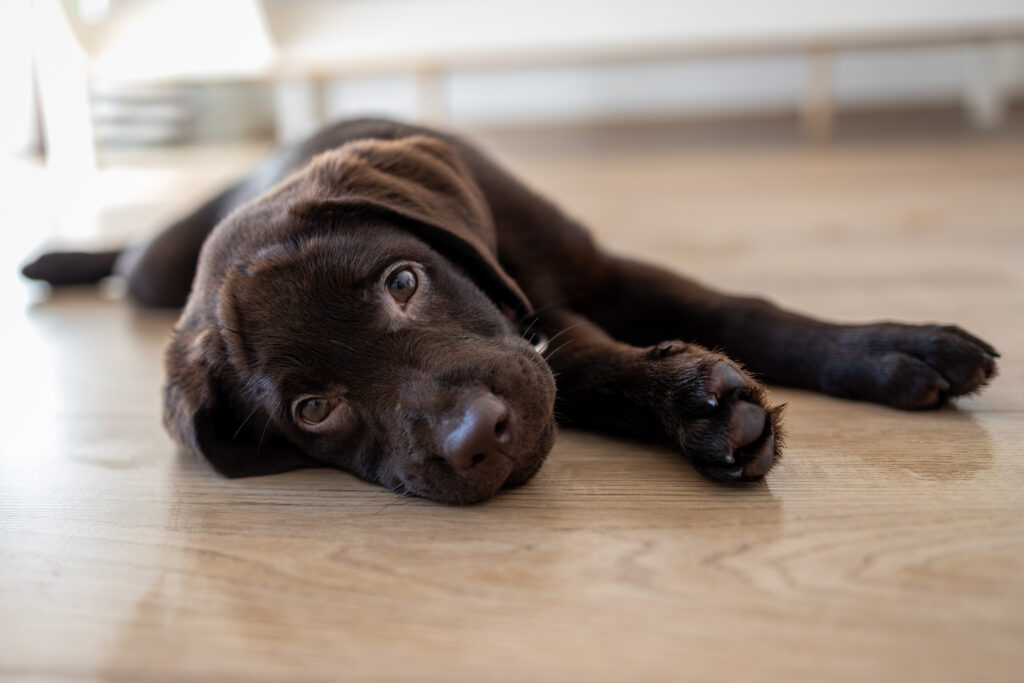

If your new pup has diarrhea, it’s common, and most pup parents run into it at some point. Loose stool is one of the most common issues in a puppy’s first weeks and months at home. Your pup is adjusting to new food, new people, new smells, and a brand-new routine, and their digestive system feels it all.
Many mild cases pass with simple home care, but puppies dehydrate faster than adult dogs, so it helps to know what’s normal and what isn’t. Here’s how to tell the difference, what might be causing it, how to help your pup feel better, and when to call your vet.
Key Takeaways
- Mild diarrhea in a pup who’s still eating, drinking, and playing can often be managed at home. Call your vet if it lasts more than 24 hours, or sooner for very young or small pups.
- Common causes include stress, sudden food changes, eating things they shouldn’t, and parasites. Parvovirus is the most serious cause in pups who haven’t finished their vaccines.
- Don’t fast a puppy with diarrhea. Instead, offer fresh water and small, frequent portions of a bland diet.
- Get to the vet right away if you see blood in the stool, vomiting along with diarrhea, lethargy, refusal to eat or drink, or signs of dehydration.
- Gradual food transitions, safe food handling, puppy-proofing, and routine deworming help prevent future episodes.
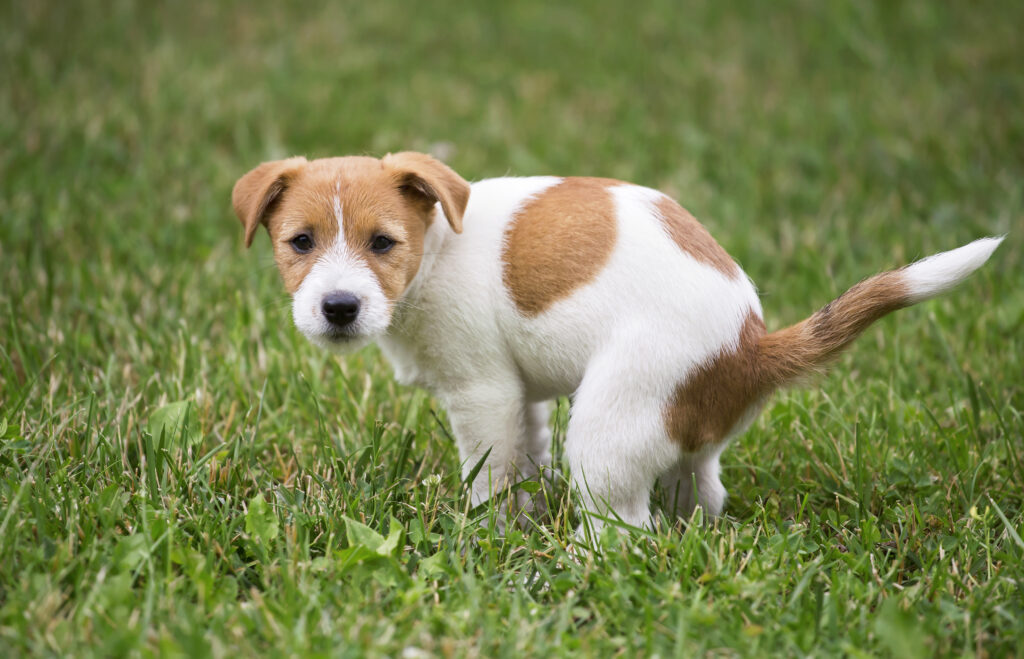
How Can You Tell if Puppy Diarrhea Is Serious?
Not every loose stool is cause for alarm. Sometimes it’s a reaction to a new treat, a rushed food switch, or an exciting day. But puppies have smaller fluid reserves than adult dogs, so diarrhea can dehydrate them faster. Your pup’s energy and appetite are often the best clues to how serious it is.
Signs It’s Likely a Minor Upset
Your pup’s diarrhea is most likely mild if:
- The soft stool clears up within a day
- It started after a quick food change, a new treat, or a busy day
- Your pup is still playful, eating, and drinking normally
Red Flags to Watch For
Call your vet if you notice:
- Blood in the stool: Bright red streaks or black, tarry stool can signal bleeding in the digestive tract.
- Vomiting with diarrhea: Losing fluids both ways can quickly dehydrate a puppy.
- Lethargy or weakness: A pup who seems unusually tired, uninterested in play, or wobbly needs attention.
- Refusing food or water: Skipped meals raise the risk of dehydration and low blood sugar.
- Diarrhea lasting more than 24 hours: For very young, toy, or small-breed pups, call sooner.
- Signs of pain: Whining while pooping or a bloated, tight belly points to more than an upset stomach.
When in doubt, call. Your vet would much rather talk you through a mild case than have you wait on a serious one.
Why Does My Puppy Have Diarrhea?
Puppy tummies are still developing, and pups explore the world with their mouths. These are the most common causes.
- Stress and big changes: A new home means new people, sounds, and routines, and that stress can speed up digestion. Loose stool during a pup’s first week home is very common.
- Sudden food changes: A pup’s gut needs time to adjust to new ingredients. Switching foods overnight, even to a high-quality food, often leads to loose stool.
- Eating things they shouldn’t: Table scraps, rich treats, garbage, mulch, and socks can all upset a pup’s stomach. Eating too much at once can also cause upset.
- Parasites: Intestinal parasites are very common in puppies. According to the Companion Animal Parasite Council (CAPC), roundworms and hookworms can pass from a mother dog to her puppies, and puppies can pick up giardia and coccidia from contaminated soil or water. Your vet can identify the parasite with a fecal test. A diet change won’t clear an infection.
- Viral and bacterial infections: Parvovirus is the most serious cause of diarrhea in puppies. It’s highly contagious, can survive on surfaces for months, and most often affects pups who are unvaccinated or haven’t finished their vaccines. Puppies typically get parvo vaccines every 3 to 4 weeks until about 16 weeks old, so pups still in that series are at higher risk. Bacterial infections can also cause diarrhea and may need treatment from your vet.
How Can You Treat Puppy Diarrhea at Home?
If your pup’s diarrhea is mild and they’re still eating, drinking, and playing, these steps can help their system recover. If anything changes, call your vet.
Keep Your Pup Hydrated
Diarrhea quickly pulls water and electrolytes from the body, so make sure your pup always has fresh, clean water. To check for dehydration, gently lift the skin between their shoulder blades. It should snap right back. If it stays tented or settles slowly, or if their gums feel dry and sticky, call your vet right away.
Don’t Fast Your Pup
You may see advice to withhold food from a dog with diarrhea for 12 to 24 hours, but that guidance is meant for adult dogs. Puppies, especially toy and small breeds, can develop dangerously low blood sugar without regular meals. Unless your vet tells you otherwise, keep feeding your pup and focus on making their meals easier to digest.
Offer Small, Frequent Meals
Instead of two or three regular meals, offer smaller portions of a bland diet every few hours (see more on that below). Smaller amounts are easier on an upset stomach and help keep your pup’s energy and blood sugar steady.
Skip Treats and Extras
Hold off on training treats, chews, and table scraps until your pup’s stool is back to normal. New or rich foods can keep diarrhea going.
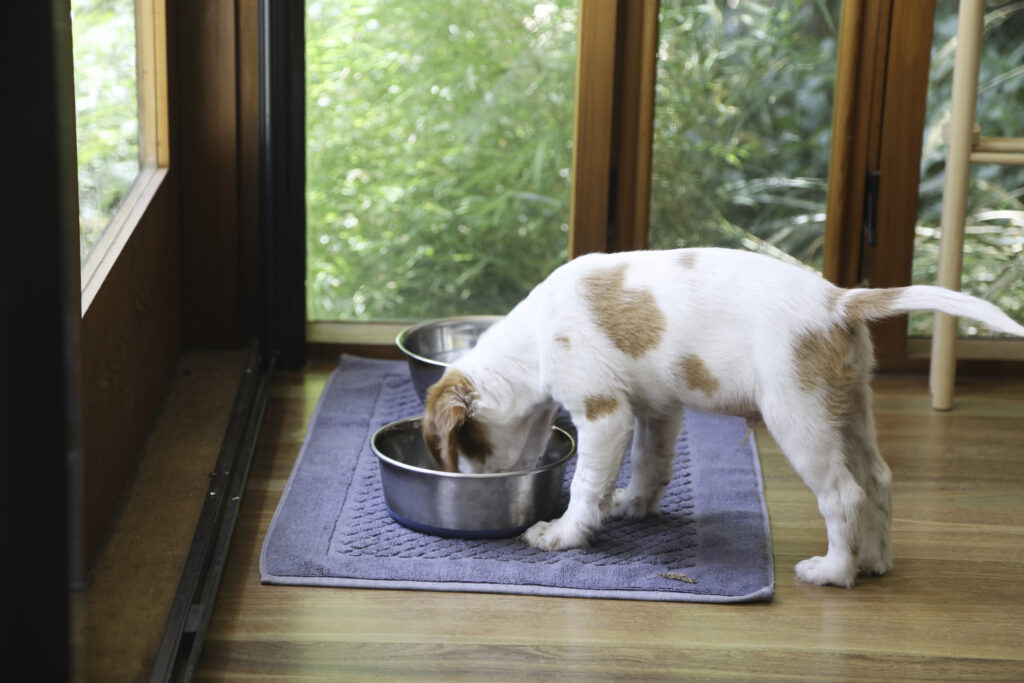
What Should You Feed a Puppy with Diarrhea?
A bland diet is gentle on an irritated gut while still providing the calories your pup needs.
How to Make a Bland Diet
The most common vet-recommended option is plain chicken and rice:
- Protein: Boil plain, skinless chicken breast until cooked through, then shred it into small pieces. Skip butter, oil, salt, and seasoning.
- Carbohydrate: Cook plain white rice until soft. It’s lower in fiber and easier to digest than brown rice.
- Routine: Serve small amounts every three to four hours for 24 to 48 hours.
A bland diet isn’t complete and balanced for a growing puppy, so it’s only meant for the short term. Our guide to a bland diet for dogs has more detail.
What to Avoid
Skip greasy meats, dairy, and rich table scraps while your pup recovers. Many store-bought broths contain onion or garlic, which are toxic to dogs, so stick to plain, home-cooked basics.
How to Transition Back to Regular Food
Once your pup’s stool firms up, ease back into their regular food over a few days:
- Day 1: 25% regular food, 75% bland diet
- Day 2: 50% regular food, 50% bland diet
- Day 3: 75% regular food, 25% bland diet
- Day 4: 100% regular food
When Should You Call the Vet About Puppy Diarrhea?
Puppies can go from playful to seriously ill within hours, so they need faster care than adult dogs. Call your vet for a same-day visit, or head to an emergency clinic, if your pup:
- Has blood in their stool or black, tarry stool
- Is vomiting and has diarrhea
- Seems lethargic or weak, or has trouble standing
- Won’t eat a bland diet or drink water
- Shows signs of dehydration, like sticky gums or skin that stays tented
- Has had diarrhea for more than 24 hours
- Hasn’t finished their vaccine series and develops sudden, severe diarrhea, which could signal parvo
- Has visible worms in their stool, since they’ll need a vet-prescribed dewormer
Your vet may run a fecal test for parasites, test for parvo, give fluids for dehydration, and prescribe age-and weight-appropriate medication. Don’t give your pup any human anti-diarrheal medicine unless your vet tells you to.
How Can You Prevent Puppy Diarrhea?
You can’t prevent every upset stomach, but a few habits can reduce how often they happen.
Switch Foods Slowly
Transition to any new food over at least a week:
- Days 1–2: 25% new food, 75% current food
- Days 3–4: 50% new food, 50% current food
- Days 5–6: 75% new food, 25% current food
- Day 7 and beyond: 100% new food
If loose stool shows up, go back to the previous ratio until things settle. Pups with sensitive stomachs may need a few extra days at each step.
Store and Serve Fresh Food Safely
If you feed fresh food, handle it like any perishable food in your kitchen. Thaw packs in the refrigerator, not on the counter or in warm water. Once a pack is thawed, keep it sealed in the fridge and use it within four days. Don’t serve from a pack with a broken seal or an off smell.
Puppy-Proof Your Home
Keep trash cans lidded, toxic foods like chocolate, grapes, and onions out of reach, and small items like socks off the floor. Outside, watch for your pup snacking on mulch, drinking from puddles, or investigating other animals’ poop.
Stay on Top of Deworming
Follow your vet’s deworming schedule, and bring a stool sample to puppy wellness visits so your vet can catch parasites early.
Keep Mealtime Consistent
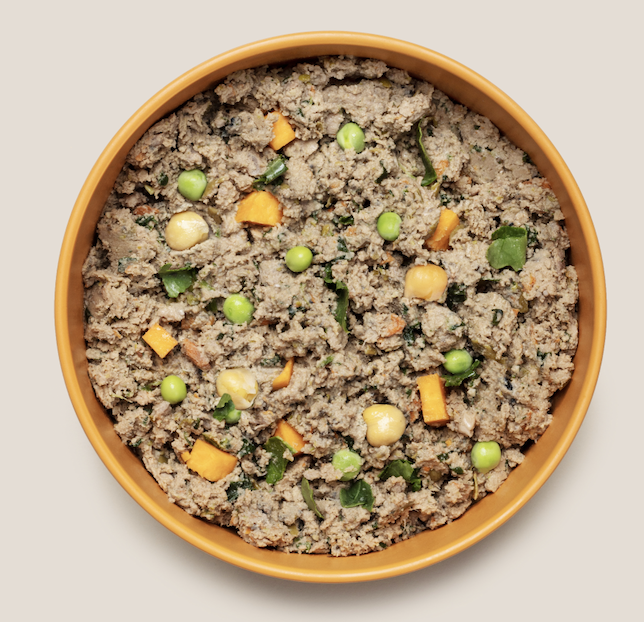
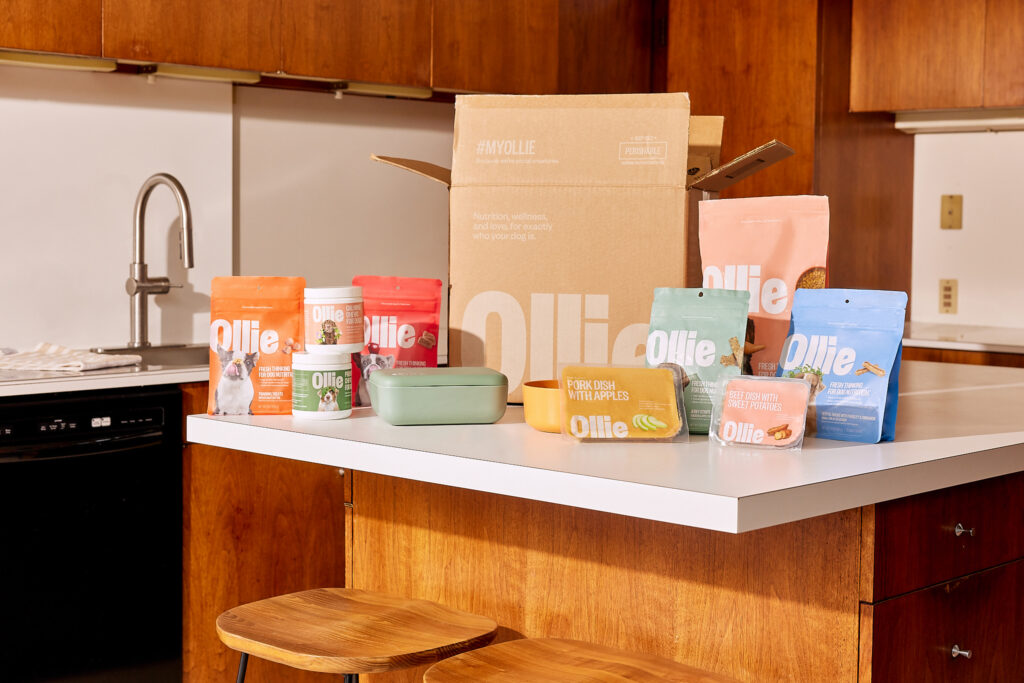
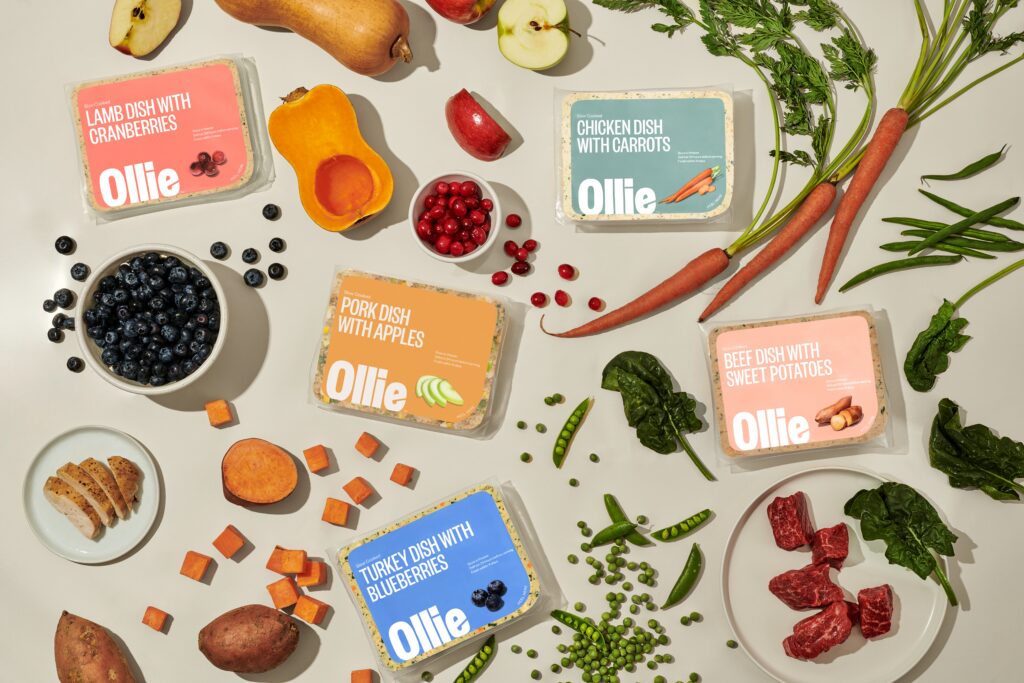
Steady, balanced meals made with digestible ingredients help support your pup’s gut day to day. Ollie’s fresh recipes are gently cooked with real, human-grade ingredients and arrive ready to serve, which makes it easier to feed the same meals consistently.
Puppy Diarrhea FAQs
Q: Why does my puppy have diarrhea but is still playful?
A: A playful pup with loose stool usually has a mild upset from a food change, a new treat, or stress. Keep fresh water available, offer small bland meals, and call your vet if it lasts more than a day.
Q: Should I feed my puppy if they have diarrhea?
A: Yes. Puppies need steady calories to keep their blood sugar up, so offer small, frequent portions of a bland diet instead of fasting.
Q: When should I worry about puppy soft stool?
A: Soft stool that clears up within a day is often a reaction to a new food or a stressful event. Call your vet if it turns watery, contains blood, comes with vomiting or lethargy, or lasts more than a day.
Q: How long does puppy diarrhea last?
A: Mild cases often improve within a day with bland meals, water, and rest. If your pup’s diarrhea lasts more than 24 hours, or if they’re very young or a small breed, call your vet.
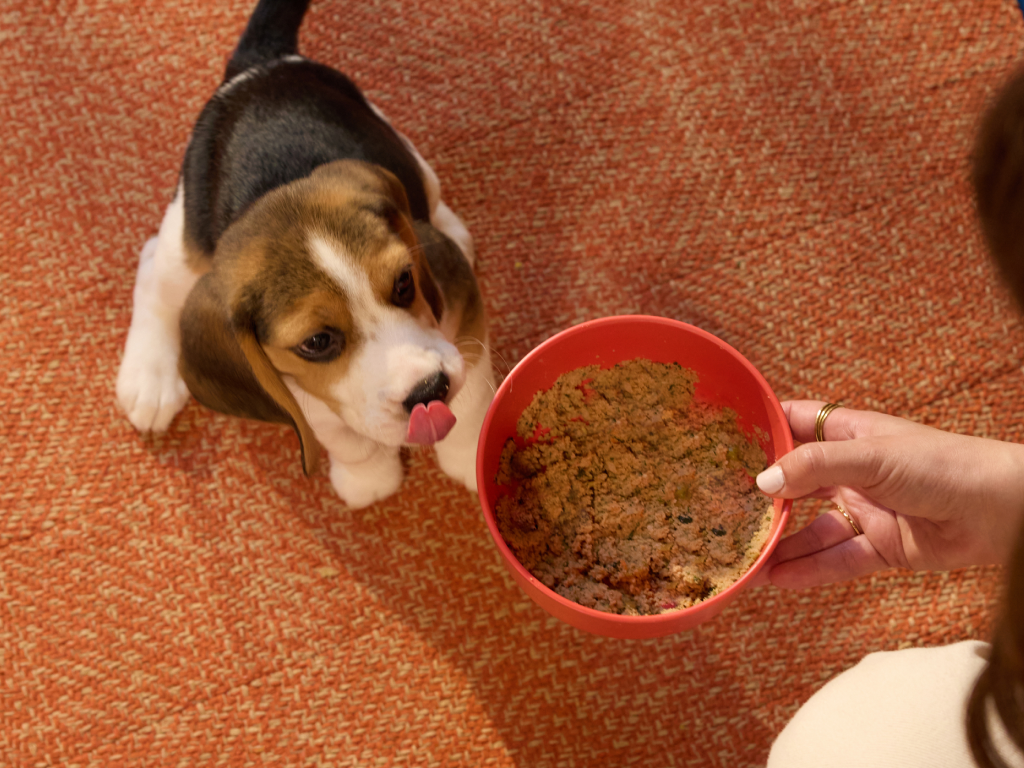
Giving Your Pup’s Gut a Steady Start
Loose stool comes up for a lot of new pup parents. Now you know what to watch for, how to help at home, and when to bring in your vet. Beyond that, steady habits go a long way: slow food changes, careful handling, and consistent meals.
Ollie can help with the everyday part. Our fresh, human-grade recipes are gently cooked and arrive ready to serve, so your pup gets the same balanced meals day after day. Free Health Check-Ins in the Ollie app let you share what you’re seeing, from stool changes to appetite, with our vet team. And since every pup’s needs shift as they grow, we can adjust their portions along the way.
Tagged As:
The nutrition your dog needs,
the food they want.
Written by:
Enjoying our articles? Subscribe our Newsletters and get new articles directly to your inbox
You might also like
13 October 2026
8 MINS READ
How Do You Choose the Right Puppy Food for Dogs?
Bringing a new puppy home changes everything. Within days, you have a dozen nicknames, a camera roll full of the same adorable face, and a sneaking suspicion that the pet food aisle was designed t…
by Ollie Pets
17 September 2026
6 MINS READ
Lester’s Remarkable Recovery with Ollie: A Journey from Rescue to Revival
How can Ollie help your pup? Learn about one dog’s journey to health with Ollie!
by Ollie Pets
24 June 2026
12 MINS READ
The Ultimate Dog Food Ingredient Guide: How Much Do Ingredients Actually Matter?
Staring at a dog food label shouldn’t feel like reading a chemistry textbook. Learn how to decode the first 5 ingredients, spot marketing red flags, and understand why your pup needs nutrients, not…