[EXCLUSIVE for Ollie Readers!] 70% off + FREE Our Exclusive Holiday Feast (a meal for your pup this thanksgiving!) Try now!

Reviewed by: Catherine Carchedi, MS, DVM; Lindsay Cassibry, MPH, DVM; and Brittany White, PhD.
Key Takeaways
- Common causes include eating too fast, a sudden food change, swallowing something they shouldn’t, and parasites.
- After a single episode, offer small sips of water, then small, bland meals. Don’t withhold food for long, since small puppies can develop low blood sugar.
- Call your vet right away if your puppy keeps vomiting, has blood in their vomit or stool, seems weak or lethargic, or hasn’t finished their vaccines.
- Introduce any new food gradually over about a week, and slow down if your puppy’s stomach gets upset.
If your puppy just threw up, take a breath. Puppies are more prone to upset stomachs than adult dogs, and knowing the likely cause will help you decide what to do next. Their digestive systems are still developing, plus they tend to eat fast and put almost everything in their mouths. A single episode may pass on its own, but puppies are small and can dehydrate quickly, so it helps to know what’s normal and when to call your vet.
Here’s how to figure out what’s going on, what to do right now, and which signs mean your puppy needs to be seen today.
Is My Puppy Vomiting or Regurgitating?
The two look similar on the floor, but they point to different problems, and your vet will likely ask which one you saw.
Vomiting is active. Your puppy will heave and retch as their stomach muscles push food up. It can happen hours after a meal, and what comes up is usually partly digested. Yellow or green fluid is bile, which often means their stomach was empty.
Regurgitation is passive. There’s no heaving, and food comes up with little warning, usually right after eating. It looks mostly undigested. Eating too fast is a common cause. According to Dr. Jerry Klein, Chief Veterinary Officer for the American Kennel Club, any repeated regurgitation in a young puppy should be checked by a vet, since it can point to a malformed esophagus.
Can Switching Food Make a Puppy Throw Up?
Yes. A sudden change to anything your puppy eats can upset their stomach, including a new food, new treats, or table scraps. Many puppies are also adjusting to a new home at the same time, which adds stress.
Ollie’s in-house veterinarians, Dr. Catherine Carchedi and Dr. Lindsay Cassibry, recommend introducing new food gradually.
Here’s a standard schedule:
- Days 1–2: 25% new food, 75% current food
- Days 3–4: 50% new food, 50% current food
- Days 5–6: 75% new food, 25% current food
- Day 7 and beyond: 100% new food
Puppies with sensitive stomachs may need a few extra days at each step. If your puppy throws up during the switch, go back to the previous ratio until things settle. Hold off on new treats until the transition is complete. Our guide to transitioning your dog to fresh food has more tips.
Why Does My Puppy Throw Up After Eating?
Often, it’s speed. Puppies who gulp their meals swallow air along with their food, which can overfill a small stomach and send dinner right back up. If your puppy throws up but acts completely normal afterward (and is ready for seconds), fast eating is a likely cause. A slow-feeder bowl or lick mat helps them take smaller bites.
Timing plays a role too. Running and wrestling on a full stomach can lead to an upset stomach, so give your puppy about 30 minutes of calm time after meals before play or a walk.
Can Fresh Food Make a Puppy Throw Up?
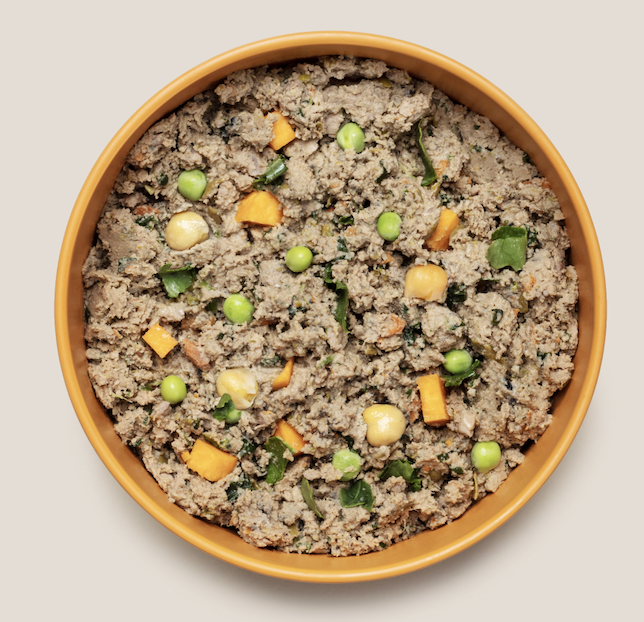
It can if it isn’t stored or served properly. Fresh food like Ollie’s is made with real, human-grade ingredients and without the heavy preservatives in many shelf-stable foods. That means it needs the same care as the fresh food in your own kitchen. Food that’s thawed too long on the counter, kept too long in the fridge, or served from a damaged pack can grow bacteria that upset your puppy’s stomach.
If your puppy throws up and you’ve recently switched to fresh food, check your handling routine along with their transition schedule. These tips will keep each meal safe:
- Thaw in the fridge. Move packs from the freezer to the refrigerator about a day before you need them. Avoid thawing on the counter or in warm water, since both give bacteria a chance to grow.
- Use thawed food within four days. Once a pack is thawed, keep it sealed in the fridge and use it within four days. A quick note of the date you moved it from the freezer makes this easy to track.
- Check packs before serving. Skip any pack with a broken seal, punctures, or an off smell, and let our team know so we can make it right.
- Take the chill off gently. If your puppy prefers their food less cold, stir in a splash of warm water just before serving.
- Pick up leftovers. Don’t leave fresh food sitting in the bowl. Refrigerate or toss anything your puppy doesn’t finish within about 30 minutes.
What Should You Do When Your Puppy Throws Up?
Watch and comfort. Make sure your puppy is breathing normally, and keep a close eye on them for the next hour or so.
Offer small sips of water. A little room-temperature water at a time helps prevent dehydration without overfilling their stomach.
Keep any fasting short. Small and toy-breed puppies can develop low blood sugar quickly. Veterinary guidance advises against withholding food from puppies for more than about 12 hours, and your vet may suggest less.
Start with small, bland meals. Once vomiting stops, offer a few small portions of bland food spread throughout the day. Common vet-recommended options include plain boiled chicken breast or lean ground turkey mixed with plain white rice, all cooked without skin, oil, butter, or seasoning. Your vet may also suggest a prescription digestive diet. A bland diet isn’t complete and balanced for a growing puppy, so plan to ease back into regular meals over a day or two, once your vet gives the okay.
Call your vet. Even if your puppy seems fine, a quick call lets your vet note what happened and tell you what to watch for. Never give human anti-nausea medicine unless your vet says to.
When Is Puppy Vomiting an Emergency?
Puppies can become dehydrated much faster than adult dogs, especially when vomiting comes with diarrhea. Call your vet or an emergency clinic right away if you notice any of the following.
Signs of parvovirus. Repeated vomiting, bloody diarrhea, extreme tiredness, and loss of appetite can signal parvo. This highly contagious virus is most dangerous for puppies who haven’t finished their vaccine series, which typically runs every 3 to 4 weeks until about 16 weeks of age. Fast treatment greatly improves a puppy’s chances of recovery.
Signs of low blood sugar. If a small puppy throws up and won’t eat, watch for weakness, trembling, wobbliness, or seizures. This can quickly become serious, especially in toy breeds.
Worms in the vomit. Roundworms are common in puppies and are often passed from their mother. If you see worms, call your vet about deworming. A food change won’t fix it.
A swallowed object. Repeated vomiting, retching without bringing anything up, or a tender belly could mean your puppy swallowed something that’s causing a blockage.
Also call your vet if your puppy:
- Has blood in their vomit (bright red or like coffee grounds)
- Has vomiting and diarrhea that last more than a day
- Stops eating or drinking
- Seems unusually tired or weak
Setting Your Puppy Up for Digestive Success
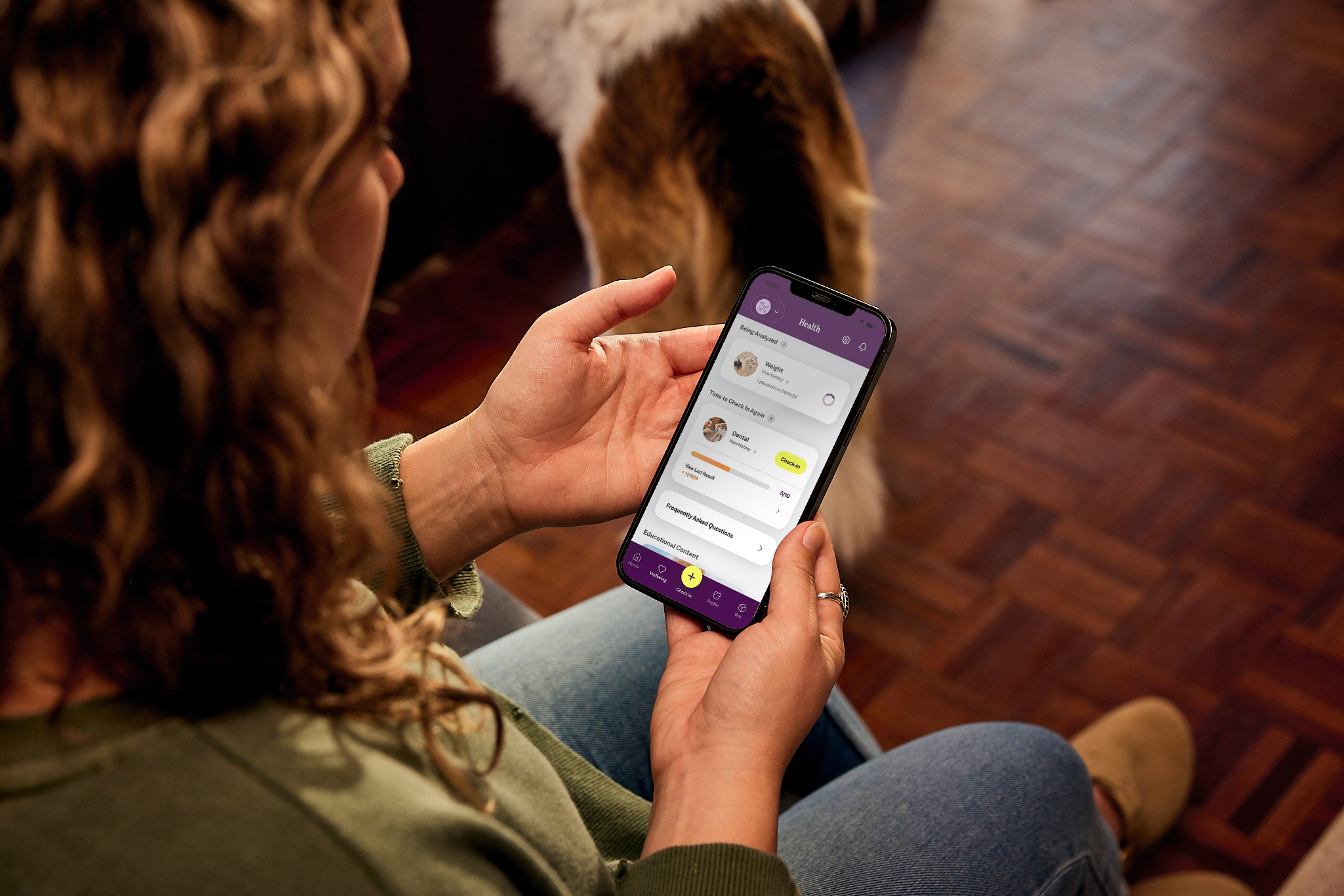
Most of what helps a puppy’s stomach comes down to steady routines: gradual food changes, careful handling, and calm mealtimes. Ollie makes those easier to keep. Fresh, human-grade meals arrive at your door, free Health Check-Ins give you direct access to our vet team, and we’re here to help you adjust your puppy’s portions as their needs change.
Puppy Vomiting FAQs
Is it normal for a puppy to throw up once?
An occasional episode isn’t unusual, especially after eating fast or getting into something. If your puppy is eating, drinking, and playing normally afterward, watch them closely and call your vet if it happens again.
What does yellow or foamy vomit mean?
Yellow vomit is usually bile, and white foam often appears when the stomach is empty. Either can happen occasionally. If it keeps happening, check in with your vet.
Can a puppy throw up from car rides?
Yes. Motion sickness is common in puppies, and many outgrow it. Short practice trips and skipping a meal right before the ride can help.
The Ollie blog is devoted to helping pet parents lead healthier lives with their pups. If you want to learn more about our fresh, human-grade food, check out ollie.com. Elizabeth Wieck contributed to this article, and it was reviewed by our in-house team of veterinarians and scientists, Catherine Carchedi, MS, DVM; Lindsay Cassibry, MPH, DVM; and Brittany White, PhD.
Disclaimer: This article and the Ollie blog is for informational purposes only and is not a substitute for professional veterinary advice, diagnosis, or treatment. If your dog is showing signs of illness and/or injury, always consult your veterinarian promptly. Every dog is different, and any dietary change should be discussed with your veterinarian. Ollie is not a prescription or therapeutic diet and is not intended to prevent, treat, or manage any medical condition. Always work with your vet to determine the best care plan for your individual pup, especially if they’ve been diagnosed with a health condition.
Tagged As:
The nutrition your dog needs,
the food they want.
Written by:
Lindsay Cassibry, MPH, DVM Dr. Lindsay Cassibry is the Veterinarian at Ollie and brings over 8 years of veterinary experience, combining her expertise in veterinary science, nutrition, and public health to advance pet nutrition and overall animal wellness. She holds a Doctorate in Veterinary Medicine from Louisiana State University, a Master’s in Public Health from St. George’s University, and a Bachelor’s in Nutrition from the University of Alabama. With this strong academic foundation, Dr. Cassibry has specialized in veterinary nutrition, further honed by her experience at DIG Labs, where she led innovative research in pet health solutions. At Ollie, Dr. Cassibry is dedicated to pushing the boundaries of veterinary nutrition, continually working to enhance the health and well-being of pets everywhere.


Enjoying our articles? Subscribe our Newsletters and get new articles directly to your inbox
You might also like
17 October 2026
13 MINS READ
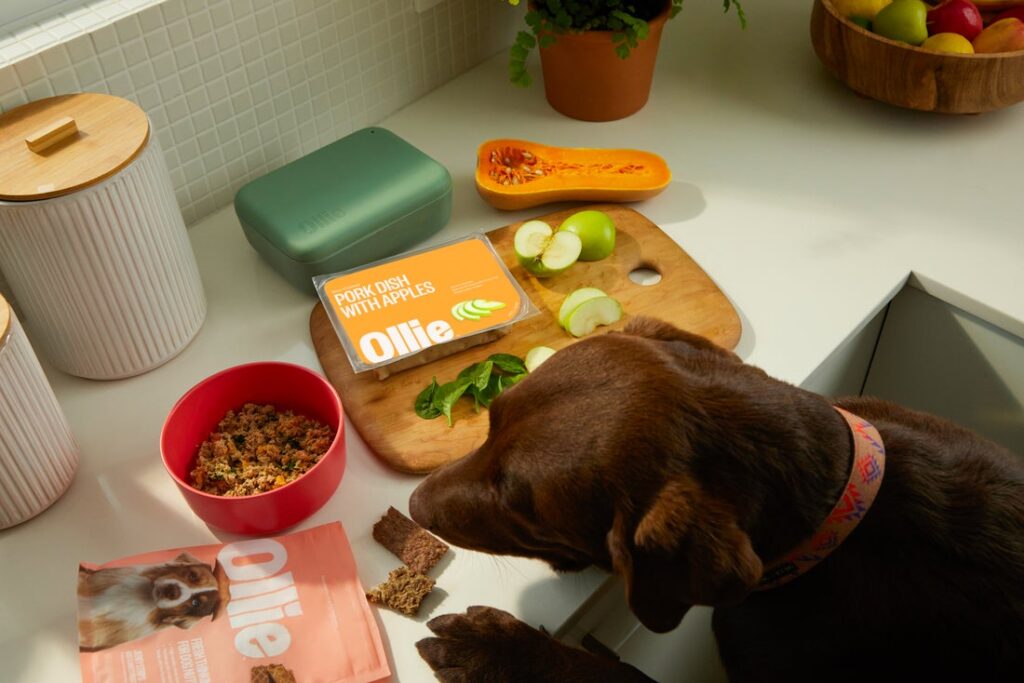
How Much To Feed A Puppy: Chart By Weight & Age
Feeding your puppy the right amount at every stage of growth is key to their long-term health. This guide helps you create a feeding plan that fits your pup.
27 September 2026
5 MINS READ
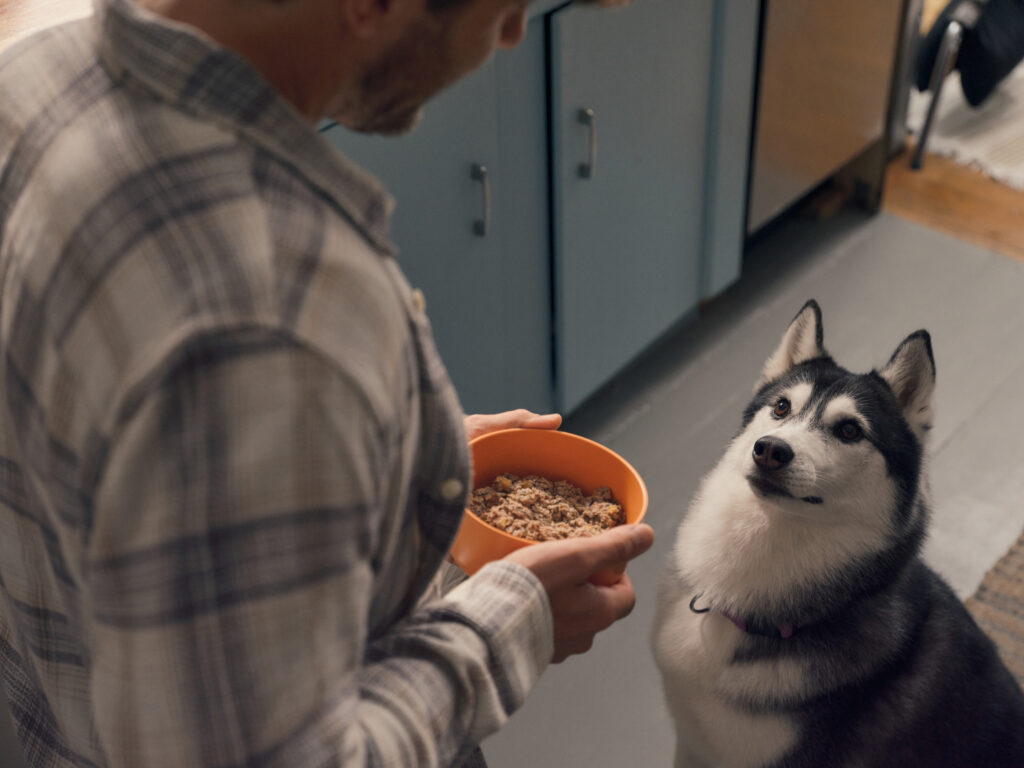
Is Fresh Dog Food Cooked or Raw?
Wondering if fresh dog food means raw meat or something cooked? Learn what “gently cooked” really means and how to safely navigate fresh feeding for your dog.
26 September 2026
9 MINS READ
How Ollie’s Fresh Food Meets (and Exceeds) WSAVA Guidelines on Selecting Pet Foods
Discover how Ollie’s fresh dog food recipes go above and beyond WSAVA standards to deliver complete, balanced, and evidence-based nutrition.
by Christine Miller, Director of Food Safety, Quality, and Regulatory