[EXCLUSIVE] Ollie Blog readers! 70% OFF your First Box + FREE Ollie Hat (for You!) AND Bandana (for Pup!) Try now!
11 August 2026
12 MINS READ
Pitbull: Complete Breed Guide
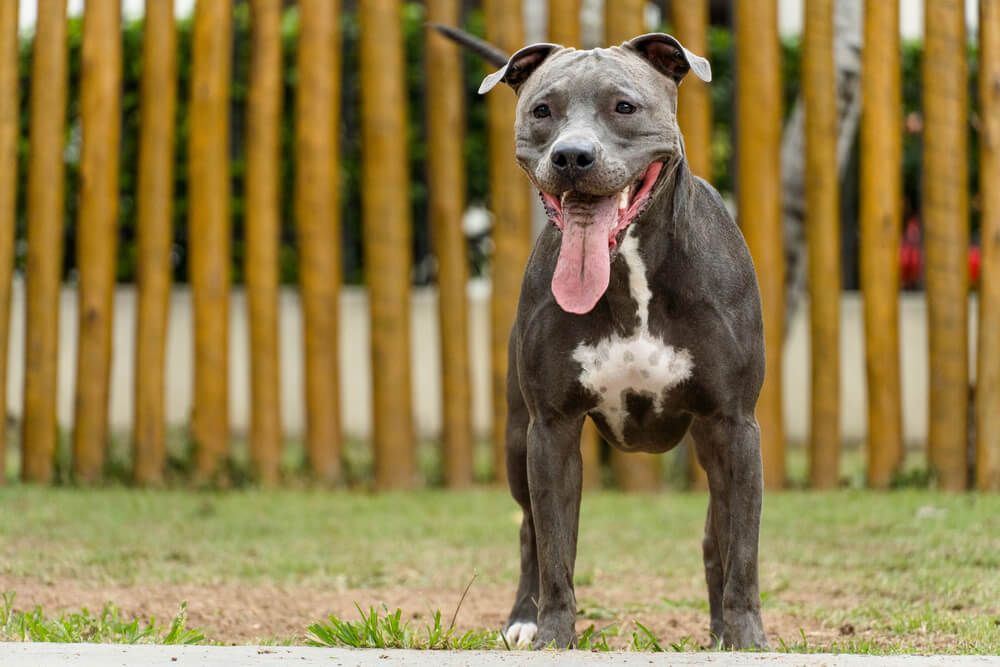
Reviewed by: Catherine Carchedi, MS, DVM; Lindsay Cassibry, MPH, DVM; and Brittany White, PhD. Loved fiercely by their families and misunderstood by nearly everyone else, pitbulls are one of the most polarizing dogs around, and one of the most misrepresented. Behind the tough reputation is a muscular, energetic, deeply people-oriented dog that often seems convinced […]

Reviewed by: Catherine Carchedi, MS, DVM; Lindsay Cassibry, MPH, DVM; and Brittany White, PhD.
Quick answer: What is the best food for pitbulls?
- – Pitbulls are muscular, athletic dogs, so the foundation is a complete, balanced diet with quality protein to fuel lean muscle and an active lifestyle.
- – The breed’s short, single-layer coat leaves skin more exposed, and itchy skin is one of the most common owner complaints. Omega-3 fatty acids (EPA and DHA) help support the skin barrier and a healthy coat.
- – If your pitbull has itchy skin, food allergies are worth investigating but aren’t always the cause. A short, single-protein ingredient list makes a vet-guided elimination trial far easier to run.
- – Pitbulls love to eat and can put on weight, which stresses joints already prone to hip dysplasia. Measure portions and aim to keep your dog lean and muscular, not heavy.
Loved fiercely by their families and misunderstood by nearly everyone else, pitbulls are one of the most polarizing dogs around, and one of the most misrepresented. Behind the tough reputation is a muscular, energetic, deeply people-oriented dog that often seems convinced it’s a lapdog. This guide covers what “pitbull” actually means (it’s not one breed), the honest answer to whether they’re dangerous, the breed’s pros and cons, the health issues every owner should know about, and how to feed an athletic, allergy-prone dog well.
This is also where Ollie fits in. Two of the things that define a pitbull, their lean muscle and their notoriously itchy skin, trace straight back to their diet. Quality protein gives an athletic, muscular dog the raw material to build and hold that muscle, and a short, recognizable ingredient list makes it far easier to feed a sensitive-skinned dog without triggering flare-ups. That’s exactly how Ollie is built: fresh recipes crafted with chefs and veterinary nutritionists, anchored in quality protein, portioned to your individual dog, with ingredient lists you can actually read.
See Ollie’s fresh meal plans for pitbulls →
What is a pitbull?
Here’s the thing that surprises a lot of people: “pitbull” isn’t a single breed. It’s an umbrella term, a catch-all for several breeds and mixed-breed dogs that share a similar look, typically a muscular body, short coat, and broad, blocky head [1]. When people say “pitbull,” they usually mean one of these:
- American Pit Bull Terrier (APBT). The breed most often meant by “pitbull.” It’s recognized by the United Kennel Club (UKC), but not by the American Kennel Club (AKC) [3].
- American Staffordshire Terrier (AmStaff). A close relative who shares the same ancestry. The AKC recognized it in 1936 under a different name to distance it from the fighting pits, and the two breeds gradually diverged, with the AmStaff bred a bit stockier and the APBT leaner and more athletic [4].
- Staffordshire Bull Terrier. A smaller, separate AKC-recognized breed from England, often lumped in with the others.
- American Bully. A newer breed developed from the APBT and AmStaff, recognized by the UKC. So when people ask whether a pitbull is the same as a “bully,” the answer is that the American Bully is its own distinct breed within the broader pitbull family.
On top of all that, many dogs labeled “pitbull,” especially in shelters, are mixed breeds. Visual identification is notoriously unreliable; studies have found that a large share of dogs identified by appearance as pitbulls have no detectable pitbull-type ancestry in their DNA [1]. For this guide, we’ll use “pitbull” the way most people do, as the umbrella term, with the American Pit Bull Terrier as the central example.
Pitbull quick facts
- Size: Muscular and athletic. The American Pit Bull Terrier typically stands about 17 to 21 inches at the shoulder and weighs 30 to 60 pounds, with females on the smaller end [3].
- Lifespan: Roughly 12 to 14 years [3].
- Coat: Short, smooth, and single-layered. Very low grooming needs, though that thin coat offers the skin little protection, which matters for a breed prone to allergies [5].
- Recognition: The APBT is recognized by the United Kennel Club (in its Terrier group), not the AKC. The AKC recognizes the closely related American Staffordshire Terrier [3][4].
- Temperament: Affectionate, loyal, intelligent, and intensely people-oriented, with a strong eager-to-please streak [3].
- Energy: High. Pitbulls need substantial daily exercise plus mental engagement to stay happy and well-behaved.
- Best for: Active, committed owners and families who can provide exercise, consistent training, early socialization, and plenty of together time.
Pitbull temperament: are pitbulls dangerous?
This is the question that follows the breed everywhere, so let’s take it head-on, with the evidence.
The expert consensus is that breed is a poor sole predictor of how a dog will behave. The American Veterinary Medical Association opposes breed-specific legislation in part because, in its review of the research, pitbull-type dogs are not implicated in controlled studies in a way that supports targeting the breed [1]. On the American Temperament Test Society’s standardized evaluation, pitbull-type breeds pass at roughly 86 to 87 percent, a higher rate than many popular family breeds [2]. And because visual breed identification is so unreliable, the dog-bite statistics often cited about the breed are themselves unreliable [1].
Now the honest other side, because a good guide doesn’t oversell. Pitbulls are powerful, strong, high-energy dogs, and that means responsible ownership matters a great deal. Because of their history, some individuals can carry a degree of dog-directed reactivity (toward other dogs, not people), which makes early socialization important.
Put simply: a pitbull’s behavior comes down to the individual dog, its training, its socialization, and how it’s treated, far more than to the label on its paperwork. Well-bred, well-socialized, well-loved pitbulls are affectionate, loyal, and wonderful family companions, which is exactly why so many families adore them.
Pros of owning a pitbull
- Deeply affectionate. Pitbulls bond hard with their people and often want to be touching you at all times. Many owners call them velcro dogs.
- Athletic and fun. Up for hikes, runs, dog sports, and just about any adventure you’ll bring them on.
- Smart and trainable. Eager to please and quick to learn, they excel at obedience, agility, and even therapy work.
- Low grooming. That short coat needs little more than the occasional bath and brush.
- Great with kids when raised right. Patient and playful with children, always with supervision.
- So many need homes. Pitbull-type dogs fill shelters, so adopting one is often a chance to give a wonderful dog a second chance.
Cons of owning a pitbull
- They need an active, committed owner. A strong, energetic dog requires serious exercise, training, and time. They’re not a low-effort breed.
- They can face breed discrimination. Some cities have breed-specific legislation, and some landlords and insurers restrict pitbull-type dogs. The AVMA opposes these breed-based rules as ineffective and based on unreliable breed identification, but they remain a practical hurdle in some areas [1].
- They can be dog-reactive. Without early socialization, some pitbulls don’t love other dogs, so introductions need care.
- Skin and allergy issues are common. Itchy skin is one of the breed’s most frequent health complaints, covered below.
- Overbreeding is a serious problem. Backyard breeding has flooded shelters and, with it, reduced control over health and temperament.
Pitbull health issues: allergies, skin, and joints
Pitbulls are generally sturdy, athletic dogs, but the breed has a few well-known health predispositions worth understanding. Choosing a responsible breeder who health-tests, or simply staying on top of preventive care with a rescue, goes a long way toward catching issues early.
- Skin allergies and atopic dermatitis. Pitbulls are prone to itchy, inflamed skin, recurrent ear infections, and related irritation, and their short, single-layer coat offers little buffer [5].
- Hip dysplasia. A malformation of the hip joint that can lead to arthritis and pain over time. Keeping your dog lean and supporting the joints makes a meaningful difference [5].
- Heart conditions. Pitbulls see higher rates of certain heart issues, including dilated cardiomyopathy and aortic stenosis, so cardiac checks during regular vet visits are worthwhile [5].
- Other skin conditions. Beyond allergies, the breed can be prone to issues like demodectic mange and ichthyosis [5].
- Hypothyroidism, cataracts, and knee injuries. All seen in the breed and all manageable, especially when caught early [5].
Pitbull nutritional needs: high-protein requirements
Feeding a pitbull well starts with what makes the breed distinctive: muscle. As naturally athletic, muscular dogs, pitbulls do best on a complete, balanced diet built around quality protein, which supplies the building blocks to maintain that lean muscle and fuel an active lifestyle. This isn’t about “bulking up” a dog with extreme protein levels; it’s about giving an athletic body the quality fuel it’s built to run on.
From there, skin and joints set the priorities. Omega-3 fatty acids (EPA and DHA) support the skin barrier and coat, which matters enormously for a short-coated, allergy-prone breed, and those same omega-3s, along with a healthy weight, support the joints in a breed predisposed to hip dysplasia [5][7]. Quality protein and balanced nutrition also support healthy skin from the inside [7].
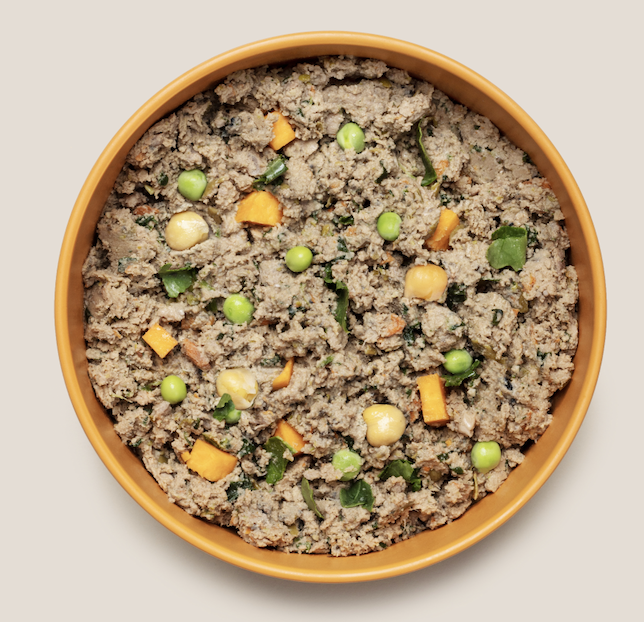
This is exactly what Ollie is built to deliver. The quality protein a pitbull needs to hold its muscle is the foundation of every recipe; the short, recognizable ingredient lists make it far easier to feed around the skin sensitivities the breed is known for; and because meals are portioned to your individual dog, it’s simple to keep an active, food-motivated dog lean and muscular rather than overweight. Crafted with chefs and veterinary nutritionists and gently cooked, it’s food where you always know exactly what your dog is eating.
Build your pitbull’s perfectly portioned plan →
How much should I feed a pitbull?
The right amount depends on your dog’s weight, spay/neuter status, and activity level. A working, highly active pitbull needs more fuel than a mellow companion, and a growing puppy will need a different amount than a senior.
The goal is lean and muscular, not heavy. Pitbulls tend to love food and can gain weight easily, and extra pounds are hard on joints already prone to hip dysplasia, so measure portions, count training treats toward the daily total (this is a food-motivated breed), and check body condition regularly. You should be able to feel the ribs without pressing hard and see a waist from above. Adjust up or down based on activity.
A fresh plan like Ollie’s helps here: meals arrive already measured to your dog’s profile, so keeping an athletic dog lean is as easy as opening up the package. When in doubt, your vet is the best source for a target weight and daily intake.
Pitbull skin allergies and diet
Itchy skin is one of the most common health issues in the breed. In dogs, most chronic itching comes from environmental allergies (atopic dermatitis), not food [6]. Food allergies do occur, but they’re less common, and the two look almost identical and can overlap [6]. So a food change sometimes helps, but it’s not a sure thing, and it shouldn’t stand in for a conversation with your vet.
Where diet matters most is for food-responsive cases. The only reliable way to confirm a food sensitivity is an elimination diet trial supervised by your veterinarian, typically using a limited-ingredient or single-novel-protein recipe for several weeks [6]. That’s exactly where a clean, short ingredient list comes in. When you know precisely what’s in the bowl, it’s far easier to run a trial and, if a trigger turns up, to avoid it going forward. Supporting the skin barrier from the inside with omega-3 fatty acids can help on the comfort front too [7].
Ollie’s clear, single-protein and limited-ingredient recipes make it easier to work through an elimination trial and to manage a known sensitivity over time. Paired with your vet’s guidance, that turns a frustrating guessing game into an actual plan.
What is the best food for pitbulls?
So what should actually go in the bowl? For most pitbulls, the best food checks these boxes:
- Complete and balanced for their life stage, whether puppy, active adult, or senior.
- Quality named proteins as the foundation, to fuel and maintain lean muscle.
- Omega-3 fatty acids to support the skin, coat, and joints [5][7].
- A short, recognizable ingredient list, which makes life much easier for an allergy-prone breed.
- Portions sized to your individual dog, to keep them lean and muscular rather than overweight.
Fresh, gently cooked food like Ollie’s was built with these needs top of mind, with recipes crafted with chefs and veterinary nutritionists, clean ingredient lists, and portions tailored to your dog’s exact size, spay/neuter status, and activity. For a muscular, allergy-prone breed where protein quality and clean ingredients matter so much, that precision is the point. It’s part of why pitbulls are among the most popular breeds in the Ollie family.
Start your pitbull’s fresh food plan →
FAQs about pitbulls
Q: Are pitbulls dangerous?
A: The evidence says breed is a poor predictor of aggression. Pitbull-type dogs pass standardized temperament tests at high rates (around 86 to 87 percent), and the AVMA opposes breed-based laws as ineffective and built on unreliable breed identification [1][2]. That said, pitbulls are powerful, energetic dogs that need responsible ownership, training, and early socialization, and no dog of any breed should be left unsupervised with young children. Behavior comes down to the individual dog far more than the label.
Q: Is a pitbull the same as a “bully”?
A: Not exactly. “Pitbull” is an umbrella term covering breeds like the American Pit Bull Terrier and American Staffordshire Terrier, plus many mixes [3][4]. The American Bully is its own distinct breed, developed from those pitbull-type breeds and recognized by the UKC.
Q: Are pitbulls good family dogs?
A: They can be wonderful family dogs. Pitbulls are affectionate, loyal, and people-oriented, and they often adore children [3]. As with any breed, that depends on training, early socialization, and supervision around kids.
Q: What is the best food for a pitbull?
A: A complete, balanced diet built on quality protein, with omega-3 fatty acids for the skin, coat, and joints, portioned to keep your dog lean and muscular [5][7]. Fresh, gently cooked food like Ollie’s, portioned to your individual dog, does exactly that.
Q: Is fresh food good for pitbulls?
A: Yes. Fresh food like Ollie’s is built on quality protein to support the lean muscle pitbulls are known for, and its short ingredient lists make it easier to manage the itchy skin the breed is prone to.
Q: Do pitbulls need high-protein food?
A: As muscular, athletic dogs, pitbulls do well on a protein-forward, complete and balanced diet, since quality protein supports the lean muscle they’re known for. The key is quality and balance rather than simply chasing the highest protein number.
Q: Are pitbulls prone to allergies?
A: Yes. Itchy skin is one of the breed’s most common health issues, partly because their short, single-layer coat offers little protection [5]. Most chronic itch is environmental rather than food-related, so a vet can help identify the cause and the best approach [6].
Q: What ingredients cause allergies in pitbulls?
A: When a food allergy is involved, the usual culprits are proteins the dog has eaten before, such as beef, chicken, or dairy, rather than grains specifically. But environmental allergens like pollen and dust are a more common cause of itching overall, so a vet-guided elimination trial is the way to pinpoint your individual dog’s trigger [6].
Q: Do pitbulls have joint problems?
A: They can. Hip dysplasia is the most common joint concern in the breed [5]. Keeping your pitbull at a lean, healthy weight and supporting the joints with omega-3 fatty acids are two of the best ways to protect them.
References and further reading
- American Veterinary Medical Association. Why breed-specific legislation is not the answer. https://www.avma.org/resources-tools/pet-owners/dog-bite-prevention/why-breed-specific-legislation-not-answer
- American Temperament Test Society. Breed Statistics. https://atts.org/breed-statistics/
- United Kennel Club. American Pit Bull Terrier. https://www.ukcdogs.com/american-pit-bull-terrier
- American Kennel Club. American Staffordshire Terrier History: How the AmStaff Separated From the “Pit Bull.” https://www.akc.org/expert-advice/dog-breeds/american-staffordshire-terrier-history-amstaff/
- PetMD. American Pit Bull Terrier Health and Care. https://www.petmd.com/dog/breeds/american-pit-bull-terrier
- dvm360. Canine allergic dermatitis: pathogenesis, clinical signs, and diagnosis. https://www.dvm360.com/view/canine-allergic-dermatitis-pathogenesis-clinical-signs-and-diagnosis
- VCA Animal Hospitals. The Importance of Your Pet’s Skin and Coat and the Role of Diet. https://vcahospitals.com/know-your-pet/the-importance-of-your-pets-skin-and-coat-and-the-role-of-diet
The Ollie blog is devoted to helping pet parents lead healthier lives with their pups. If you want to learn more about our fresh, human-grade food, check out ollie.com.
Disclaimer: This article and the Ollie blog is for informational purposes only and is not a substitute for professional veterinary advice, diagnosis, or treatment. If your dog is showing signs of illness and/or injury, always consult your veterinarian promptly. Every dog is different, and any dietary change should be discussed with your veterinarian. Ollie is not a prescription or therapeutic diet and is not intended to prevent, treat, or manage any medical condition. Always work with your vet to determine the best care plan for your individual pup, especially if they’ve been diagnosed with a health condition.
Tagged As:

The nutrition your dog needs,
the food they want.
Written by:
Marissa Taffer is a consultant, writer and strategist based in Philadelphia. She lives and works with her rescue dog Charlie, a certified therapy dog.




Enjoying our articles? Subscribe our Newsletters and get new articles directly to your inbox
You might also like

30 August 2026
13 MINS READ
Chihuahua: Pros, Cons, and Diet Guide
The Chihuahua packs huge personality into a tiny frame. Learn about Chihuahua pros and cons, temperament, key health concerns, and expert feeding tips.

25 August 2026
10 MINS READ
Shih Tzu: Pros, Cons, and Best Food Guide
Thinking about bringing home a Shih Tzu? This guide breaks down the breed’s personality, grooming needs, and whether it’s the right fit for your life.

25 August 2026
10 MINS READ
Golden Retriever: Pros, Cons, and Diet Guide
Golden retrievers are famously friendly, but they come with unique needs—from heavy shedding to significant health risks like cancer. Discover the pros, cons, and how the right diet supports your…