[EXCLUSIVE] Ollie Blog readers! 70% OFF your First Box + FREE Ollie Hat (for You!) AND Bandana (for Pup!) Try now!
25 August 2026
10 MINS READ
Golden Retriever: Pros, Cons, and Diet Guide
Golden retrievers are famously friendly, but they come with unique needs—from heavy shedding to significant health risks like cancer. Discover the pros, cons, and how the right diet supports your golden’s long-term health.


Reviewed by: Catherine Carchedi, MS, DVM; Lindsay Cassibry, MPH, DVM; and Brittany White, PhD.
What diet is best for golden retrievers?
- Golden retrievers have one of the highest cancer rates of any dog breed, so this is a breed where supporting overall health through diet matters from day one.
- No food can prevent or cure cancer, but a fresh, balanced diet supports a healthy weight, steady energy, and day-to-day wellbeing.
- Look for high-quality protein, omega-3 fatty acids (EPA and DHA) for joints and coat, and whole-food ingredients over cheap fillers.
- As a large, active breed prone to hip and elbow issues, goldens benefit from portion control and joint-supporting nutrition.
If you’ve ever met a golden retriever, odds are you were won over fast. They have a way of greeting the world, and everyone in it, like a long-lost friend, and that easy warmth is a big part of why they remain one of the country’s most popular dogs.
Still, choosing one deserves more than a gut feeling. Goldens ask real things of their owners, from steady grooming to serious exercise, and they carry a cancer risk that genuinely sets this breed apart. Understanding all of it is what separates a smitten new owner from a great one. Here’s a straight read on golden retriever pros and cons, what these dogs are like to live with, and how the right food supports their health for the long haul.
See Ollie’s fresh meal plans for golden retrievers →

Golden retriever key facts and breed overview
Golden retrievers are large, athletic dogs that were originally bred in the mid-19th century to retrieve waterfowl on land and in water [1]. Here’s their breed snapshot:
- Height: males roughly 23 to 24 inches at the shoulder, females about 21.5 to 22.5 inches
- Weight: males about 65 to 75 pounds, females about 55 to 65 pounds
- Coat: dense, water-repellent double coat in shades of gold (and yes, it sheds)
- Lifespan: around 10 to 12 years
- Energy level: high, especially through the first few years
- Origin: Scotland, bred as a hunting and retrieving companion
Pros of owning a golden retriever
- They’re wonderful with just about everyone. Goldens are famously affectionate and patient, which makes them a top choice for families with kids and homes with other pets. They tend to greet the world with a wagging tail and a more-the-merrier attitude.
- They’re highly trainable. Smart and eager to please, goldens are one of the easiest breeds to train, which is exactly why they excel as service, therapy, and assistance dogs.
- They’re playful and versatile. Hiking, swimming, fetch, dock diving: a golden is a happy and enthusiastic partner for an active life, and they keep that puppy-like joy well into adulthood.
Cons of owning a golden retriever
- They shed. Constantly. That gorgeous double coat sheds year-round, with heavier blowouts in spring and fall. Regular brushing and a good vacuum are part of the deal.
- They need exercise. Goldens are high-energy dogs that need a solid 40 to 60 minutes of activity a day. Without enough outlets, they can get restless, bored, and prone to weight gain.
- They don’t love being alone. This is a companionship-first breed. Left by themselves for long stretches, goldens are prone to separation anxiety, so they do best in homes where someone is around a good part of the day.
- They have real health risks to plan for. Goldens are predisposed to several serious conditions, cancer chief among them, which makes proactive, health-minded care especially important for this breed.
Golden retriever personality and temperament
Golden retrievers are social, sweet-tempered dogs who want nothing more than to be part of whatever their people are doing. They bond deeply, tend to get along with everyone (dogs, cats, kids, strangers), and bring a gentle, soft-mouthed nature that’s earned them a reputation as one of the most trustworthy family breeds.
That eagerness to please is what makes them so trainable, but it comes with a need: Goldens want company and a job to do. A bored, under-exercised, or frequently-alone golden can become anxious or restless. Give them exercise, training, and time with their family, and you’ll have a dog who’s affectionate, easygoing, and endlessly happy to see you.
Golden retriever health: lifespan, cancer risk, and more
Yes, golden retrievers have real health problems worth knowing about, and cancer is the defining one. Goldens typically live around 10 to 12 years, a lifespan that has actually shortened over the decades, largely due to the breed’s high cancer rates.
- Cancer. This is the breed’s most significant health concern, and the numbers are sobering. Golden retrievers have one of the highest cancer rates of any breed, and roughly 60% of goldens in the U.S. die of cancer (a 1998 breed health study attributed 61% of deaths to cancer, and a more recent necropsy study found 65%) [6]. Interestingly, goldens bred in the UK and Scandinavia show notably lower rates, which points to genetics as a major driver [3]. The four cancers seen most often in the breed are hemangiosarcoma, lymphoma, osteosarcoma, and mast cell tumors [4]. The good news for the future: the Morris Animal Foundation’s Golden Retriever Lifetime Study is following thousands of goldens to identify the nutritional, environmental, lifestyle, and genetic risk factors behind these cancers, some of the most important research ever done on the breed [2].
- Joint conditions. Like many large breeds, goldens are prone to hip and elbow dysplasia, inherited conditions where the joints develop improperly and can lead to arthritis over time. Hip dysplasia can be modified by environmental influences such as nutrition and growth rate, which is one more reason keeping a golden at a healthy weight matters [5].
- Other conditions to know. Goldens can also be predisposed to a heart condition called subvalvular aortic stenosis (SAS), eye issues including cataracts and progressive retinal atrophy (PRA), hypothyroidism, and skin or ear problems. Responsible breeders screen for many of these, and your vet can advise on what monitoring makes sense for your dog.
How diet can support a golden retriever’s health
Let’s be clear up front: no diet can prevent or cure cancer, and you should be wary of any food that claims it can. What a fresh, balanced diet can do is support your golden’s overall health in ways that genuinely matter for this breed.
Good nutrition helps maintain a healthy weight, which eases strain on joints already at risk for dysplasia. Omega-3 fatty acids (like those from fish) have natural anti-inflammatory properties, and a diet built on whole, recognizable ingredients delivers antioxidants and high-quality protein without the fillers and additives found in many processed foods. And for a dog living with illness, including cancer, steady, appealing, nutritionally complete meals can help support day-to-day comfort and quality of life, even though food is never a treatment on its own.
A fresh, balanced diet slots neatly into that kind of proactive care. Ollie’s recipes are crafted with chefs and veterinary nutritionists, made with human-grade ingredients, and portioned to your dog’s specific weight, spay/neuter status, and activity level, so you’re supporting their health with quality food and the right amount of it.
Build your perfectly portioned fresh meal plan →
Golden retriever nutritional needs
A healthy golden retriever diet leads with high-quality protein to maintain lean muscle, includes omega-3 fatty acids (EPA and DHA) for their joints, coat, and skin, and provides antioxidants and whole-food nutrition as part of a balanced plate. Because goldens are a large, active breed, their food should also support steady energy and, in puppyhood, controlled growth (large-breed puppies do best growing at a moderate, steady rate rather than too fast, which can stress developing joints).
The throughline for this breed is whole, quality ingredients and the right calories, not too many, not too few. Goldens love to eat and will happily overeat, so portion precision is part of keeping them healthy.
How much should I feed my golden retriever?
There’s no single number for how much to feed a golden retriever, because the right amount depends on your dog’s ideal weight, age, and activity level, not just a label’s estimate. The goal is to feed to a healthy body condition (you should be able to feel the ribs without pressing, and see a visible waist from above) and adjust as your dog grows, ages, or changes activity.
For a breed that’s both large and food-motivated, this is where pre-portioned meals help. Rather than guessing, Ollie calculates your golden’s daily calories and delivers meals already measured to match, which takes the guesswork (and the easy mistake of overfeeding) off your plate.

What is the best food for golden retrievers?
The best food for golden retrievers leads with a high-quality protein, includes joint- and coat-supporting omega-3s, and skips the cheap fillers like Ollie’s. As a large breed prone to joint issues, goldens especially benefit from nutrition that supports a healthy weight and overall wellness.
What to avoid:
- Overfeeding and free-feeding, which lead to weight gain in this food-loving breed
- Diets heavy in fillers and low on real, recognizable ingredients
- Foods toxic to all dogs, including chocolate, grapes and raisins, onions and garlic, and anything with xylitol
What to look for:
- A real, named protein as the first ingredient
- Omega-3 fatty acids (EPA and DHA) for joints, coat, and skin
- Antioxidants from whole-food ingredients
- Complete, balanced, appropriately portioned meals
If you suspect a food sensitivity or allergy (goldens can be prone to skin and ear issues), your vet is the right partner for sorting out the cause rather than guessing.
Start your golden retriever’s fresh food plan →
FAQs about golden retrievers
Are golden retrievers prone to cancer?
Yes, more than almost any other breed. According to a 1998 breed study, golden retrievers have one of the highest cancer rates of any dog breed, with roughly 60% of U.S. goldens dying of cancer [6]. The most common types are hemangiosarcoma, lymphoma, osteosarcoma, and mast cell tumors.
What is the best food for a golden retriever?
The best food is a complete, balanced diet built on high-quality protein and whole ingredients, with omega-3s for joint and coat health and the right number of calories for your dog. Fresh food like Ollie’s works well because it’s nutrient-dense, made with recognizable ingredients, and portioned to your golden’s needs.
How much should I feed my golden retriever by weight?
There’s no universal cup count, because the right amount depends on factors unique to your dog, like their weight, spay/neuter status, and activity level. Pre-portioned fresh food like Ollie’s removes the guesswork by calculating and measuring your golden’s calories for you.
Do golden retrievers need a large-breed diet?
Goldens are a large breed and benefit from nutrition suited to their size, especially as puppies, when steady, controlled growth helps protect developing joints. More than a specific large breed label, what matters is quality protein, joint-supporting nutrients, appropriate calories, and a healthy growth rate.
What nutrients help prevent cancer in golden retrievers?
No nutrient or food has been proven to prevent cancer in golden retrievers, and you should be skeptical of any product that claims otherwise. What good nutrition can do is support overall health: omega-3 fatty acids offer anti-inflammatory benefits, antioxidants are part of a balanced diet, and a healthy weight supports the whole body. For a golden living with cancer, fresh, complete meals can help support day-to-day wellbeing, though food is not a treatment.
Are golden retrievers prone to hip dysplasia?
Yes. Like many large breeds, goldens are predisposed to hip and elbow dysplasia. It’s partly genetic, but nutrition, a healthy weight, and a moderate growth rate in puppyhood can all influence its development [5]. Keeping your golden lean is one of the most protective things you can do for their joints.
How often should a golden retriever eat?
Most adult goldens do well with two measured meals a day. Puppies need more frequent feeding to support healthy growth. Splitting food into set meals (rather than leaving it out) helps manage both appetite and weight in this food-motivated breed.
Can golden retrievers eat fresh dog food?
Absolutely. Fresh food like Ollie’s is a great fit for goldens thanks to its quality ingredients, omega-3s, and precise portioning, all of which support a healthy weight and overall wellbeing in a breed where proactive health care really counts.
References and further reading
- American Kennel Club. Golden Retriever. https://www.akc.org/dog-breeds/golden-retriever/
- Morris Animal Foundation. Golden Retriever Lifetime Study. https://www.morrisanimalfoundation.org/golden-retriever-lifetime-study
- Kent MS, et al. Cohort profile: The Golden Retriever Lifetime Study (GRLS). (summarizes the 1998 GRCA 61% survey, the 65% necropsy figure, and lower UK/Scandinavian rates). https://www.ncbi.nlm.nih.gov/pmc/articles/PMC9182714/
- Morris Animal Foundation. Golden Retriever Lifetime Study Reaches 500 Diagnoses of 4 Major Cancers. https://www.morrisanimalfoundation.org/article/golden-retriever-lifetime-study-reaches-500-diagnoses-4-major-cancers
- Cornell University College of Veterinary Medicine, Riney Canine Health Center. Canine Hip Dysplasia (CHD). https://www.vet.cornell.edu/departments-centers-and-institutes/riney-canine-health-center/canine-health-topics/canine-hip-dysplasia-chd
- The Golden Retriever Club of America National Health Survey. 1998-1999. https://grca.org/wp-content/uploads/2015/08/healthsurvey.pdf
The Ollie blog is devoted to helping pet parents lead healthier lives with their pups. If you want to learn more about our fresh, human-grade food, check out ollie.com. Gabby Slome contributed to this article, and it was reviewed by our in-house team of veterinarians and scientists, Catherine Carchedi, MS, DVM; Lindsay Cassibry, MPH, DVM; and Brittany White, PhD.
Disclaimer: This article and the Ollie blog is for informational purposes only and is not a substitute for professional veterinary advice, diagnosis, or treatment. If your dog is showing signs of illness and/or injury, always consult your veterinarian promptly. Every dog is different, and any dietary change should be discussed with your veterinarian. Ollie is not a prescription or therapeutic diet and is not intended to prevent, treat, or manage any medical condition. Always work with your vet to determine the best care plan for your individual pup, especially if they’ve been diagnosed with a health condition.
Tagged As:

The nutrition your dog needs,
the food they want.
Written by:
Elizabeth Wieck is a New York City–based writer and consultant with more than a decade of experience. She loves telling stories that connect with readers—especially when they involve pets.
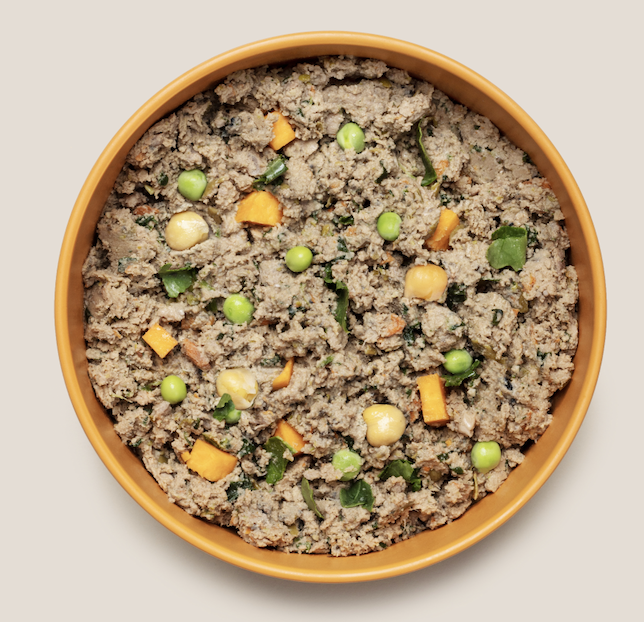




Enjoying our articles? Subscribe our Newsletters and get new articles directly to your inbox
You might also like

30 August 2026
13 MINS READ
Chihuahua: Pros, Cons, and Diet Guide
The Chihuahua packs huge personality into a tiny frame. Learn about Chihuahua pros and cons, temperament, key health concerns, and expert feeding tips.

25 August 2026
10 MINS READ
Shih Tzu: Pros, Cons, and Best Food Guide
Thinking about bringing home a Shih Tzu? This guide breaks down the breed’s personality, grooming needs, and whether it’s the right fit for your life.
11 August 2026
12 MINS READ
Pitbull: Complete Breed Guide
Reviewed by: Catherine Carchedi, MS, DVM; Lindsay Cassibry, MPH, DVM; and Brittany White, PhD. Quick answer: What is the best food for pitbulls? – Pitbulls are muscular, athletic dogs, so …