[EXCLUSIVE] Ollie Blog readers! 70% OFF your First Box + FREE Ollie Hat (for You!) AND Bandana (for Pup!) Try now!
3 March 2016
2 MINS READ
The Difference Between Organic and Inorganic Minerals (And What They Each Mean For Your Dog)
Okay, kids, time for a science lesson. And a vocab lesson. Let’s call it a scie-cab lesson. As a responsible pet parent, you’ve started educating yourself on your dog’s diet. You’ve been schooled on mis-leading labels that are more marketing than meaning, and you’ve learned that Vitamin C and vegetarianism are hipster values that dogs […]
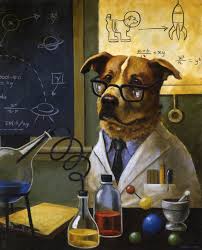

Okay, kids, time for a science lesson. And a vocab lesson. Let’s call it a scie-cab lesson. As a responsible pet parent, you’ve started educating yourself on your dog’s diet. You’ve been schooled on mis-leading labels that are more marketing than meaning, and you’ve learned that Vitamin C and vegetarianism are hipster values that dogs don’t need.
But let’s downward dog for a minute and examine another aspect of canine nutrition: organic and inorganic minerals (and why you should care about them).
Inorganic minerals come from soil and water. (Think calcium, copper, iron and zinc.)
Organic minerals come from plants and animals. (Think amino acids and citric acids.)
Dogs need organic and inorganic minerals alike, but inorganic minerals cannot be absorbed through digestion without being attached to an organic compound. Put simply, inorganic minerals rely completely on the buddy system to make it into your dog’s system. Without an organic buddy, it’s just a straight slide from tongue to turd with no nutritional benefit at all.
The hookup of inorganic minerals with organic compounds happens through a process called chelation (which sort of sounds like a made-up rapper word, but it’s a legit scientific term, yo). You’ll probably notice the term "chelated minerals" on dog food labels, and this means that the manufacturer paired up the organic and inorganic couples in advance to give maximum nutritional benefit to your dog.
Now, you may be asking yourself if you need to do a little additional chelation for your four-legged, and the answer is probably not. A well-balanced diet for a dog with normal activity levels will get the right amounts of chelated minerals without any supplementation. If your dog is outside the "normal" range, either in age (very old or very young), size (very large or very small), or activity level (very active), you should talk to your vet and assess it together.
And don’t ever get suckered into over-the-counter supplements for dogs. These are gimmicky and can be dangerous. Let’s call them gimmangerous.
Class dismissed.
The Ollie blog is devoted to helping pet parents lead healthier lives with their pups. If you want to learn more about our fresh, human-grade food, check out ollie.com.
Tagged As:

The nutrition your dog needs,
the food they want.
Written by:



Enjoying our articles? Subscribe our Newsletters and get new articles directly to your inbox
You might also like
31 August 2026
6 MINS READ
How Long Does Fresh Dog Food Last In The Fridge?
Fresh dog food lasts up to 4 days in the fridge once thawed or opened. Get expert food safety tips on proper storage, freezing, and spotting signs of spoilage from our Food Safety team.
by Christine Miller, Director of Food Safety, Quality, and Regulatory

13 August 2026
6 MINS READ
Puppy Gas: 5 Reasons Your Dog Is Gassy & What To Do About It
Dog gas (i.e., flatulence) can be the butt of many jokes, but this stinky sign may indicate that your pooch has serious digestive distress. Understanding the origins of your pup’s odor can help c…
24 June 2026
12 MINS READ
The Ultimate Dog Food Ingredient Guide: How Much Do Ingredients Actually Matter?
Staring at a dog food label shouldn’t feel like reading a chemistry textbook. Learn how to decode the first 5 ingredients, spot marketing red flags, and understand why your pup needs nutrients, not…