[EXCLUSIVE for Ollie Readers!] 70% off + FREE Poop Bags For Life (for the first time ever!) Try now!
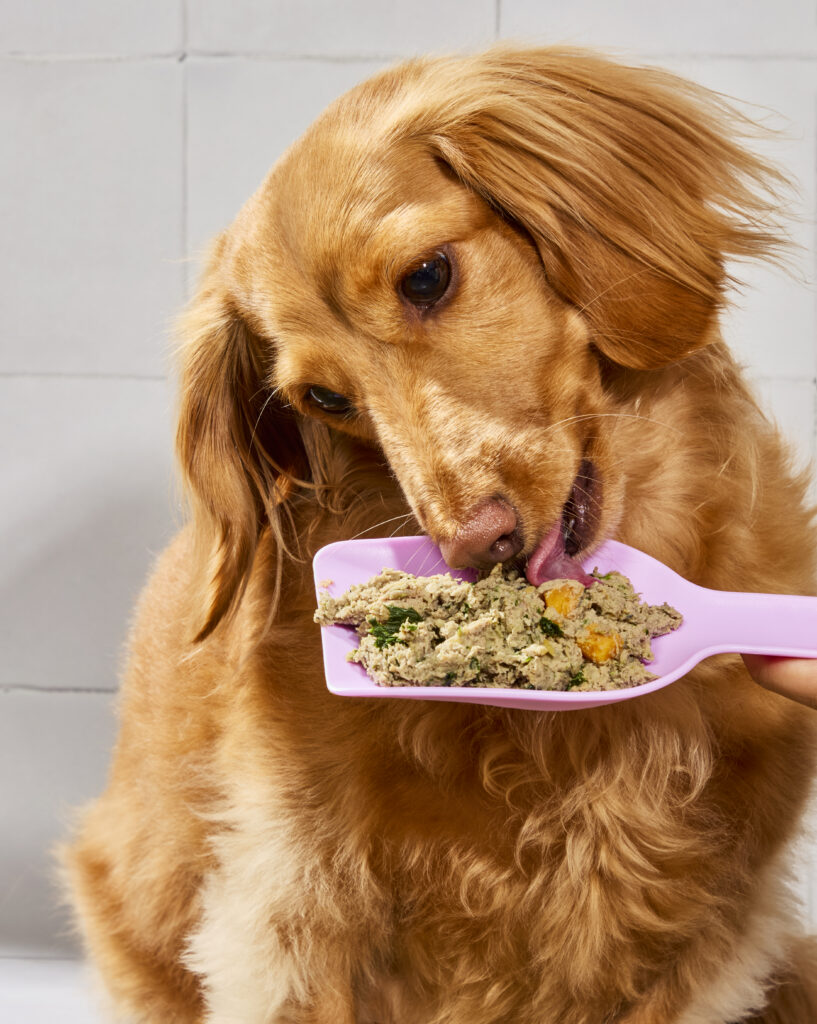

Reviewed by: Catherine Carchedi, MS, DVM; Lindsay Cassibry, MPH, DVM; and Brittany White, PhD.
What is the best food for dachshunds?
- A dachshund’s long back makes a healthy weight one of the most important things you can manage, so portion control matters more for this breed than almost any other.
- Look for complete, balanced nutrition built on quality protein, with omega-3 fatty acids to support joints and help manage inflammation.
- Mini and standard dachshunds have very different calorie needs, so meals sized to the individual dog beat one-size-fits-all feeding.
- No food prevents or cures back disease (it’s largely genetic), but keeping your dachshund lean is the single biggest way diet supports their spine.
There’s no mistaking a dachshund. The long body, the short legs, the surprisingly big bark coming from a small frame: this is a breed with a silhouette and a personality entirely its own. Dachshunds (or doxies, or wiener dogs, or whatever you call yours) are bold, funny, deeply loyal, and far more spirited than their size suggests.
They also come with one responsibility built right into their shape. Those famous long backs leave them prone to spinal trouble, which means a big part of loving a dachshund well is protecting that back, and it starts with keeping them at a healthy weight. Here’s the full picture: dachshund pros and cons, what these dogs are actually like to live with, and how the right food supports a long, mobile life.
See Ollie’s fresh meal plans for dachshunds →
Dachshund at a glance (standard and mini)
Dachshunds were originally bred in Germany in the 1800s to hunt badgers, and their whole build reflects that job: short, powerful legs for digging, a long body to follow prey into tunnels, and a fearless streak to face a badger at the end of it. Today they’re beloved companions, but that bold, tenacious personality is still very much intact.
- Sizes: standard (usually 16 to 32 pounds) and miniature (11 pounds and under)
- Height: standards stand about 8 to 9 inches, minis about 5 to 6 inches
- Coats: three types, smooth, wirehaired, and longhaired
- Colors: a wide range, including red, cream, chocolate, black and tan, and dapple patterns
- Lifespan: a long 12 to 16 years [3]
- Energy level: moderate, with a big personality on a small frame
A quick note on terminology you’ll see a lot: the miniature dachshund (or mini dachshund) is the same breed as the standard, just smaller, and that size difference matters a lot when it comes to feeding, which we’ll get to below.
Pros of owning a dachshund
- They fit almost any home. Compact and well under the weight limit at most apartments, dachshunds adapt happily to city, suburb, or country living, as long as they’re with their people.
- Their exercise needs are manageable. Dachshunds enjoy a couple of walks and some play, but they don’t demand the intense daily mileage of a sporting breed. Just keep activity low-impact to protect their backs.
- They’re low-maintenance on grooming. Smooth and short-haired dachshunds shed only moderately and need minimal upkeep. Longhaired and wirehaired coats ask for a bit more brushing, but none are high-maintenance.
- They’re devoted and entertaining. A dachshund bonds hard and loves fiercely, and they’ll keep you laughing with their burrowing, their stubbornness, and their general big-personality antics.
Cons of owning a dachshund
- Their backs need lifelong care. Because of their long-and-low build, dachshunds are highly prone to back problems, so jumping on and off furniture, stairs, and rough play all have to be managed carefully for life.
- They can be stubborn. Dachshunds are smart but famously independent, which can make training, and especially housetraining, a test of patience. Consistency and positive reinforcement are your friends.
- They bond intensely, sometimes to one person. Many dachshunds pick a favorite and can struggle with being left alone, so frequent travelers who’ll rely on sitters should factor that in.
- That bark is mighty. Dachshunds have a deep, surprisingly loud bark and a strong watchdog instinct, so early training on a “quiet” cue is worth it, especially in close quarters.
Dachshund personality: brave, stubborn, and lovable
Dachshunds are proof that personality has nothing to do with size. Bred to face badgers underground, they’re genuinely brave, occasionally to the point of forgetting how small they are, and they carry that boldness into everyday life with a confidence that’s equal parts endearing and comical.
They’re also wonderfully quirky. Dachshunds are notorious burrowers (a leftover from their digging ancestry), so don’t be surprised when yours tunnels under every blanket in the house to find the warmest spot against you. They’re famously food-motivated, which makes training easier but portion control trickier (more on that shortly).
And they’re intensely loyal, often shadowing their favorite person from room to room. That devotion is a huge part of their charm, though it does mean they don’t love being left alone for long stretches. Give a dachshund company, gentle structure, and a little patience with their stubborn streak, and you’ll have a hilarious, affectionate companion for years.
Dachshund health: back problems, weight, and more
Yes, dachshunds are prone to back problems, and it’s the defining health consideration of the breed. A dachshund’s number one health issue is back trouble, a direct result of their long spine, short legs, and low-to-the-ground build [3].
- Intervertebral disc disease (IVDD). This is the condition every dachshund owner should understand. IVDD happens when the cushioning discs between the vertebrae deteriorate and press on the spinal cord, which can cause pain, weakness, and in serious cases, paralysis. Dachshunds are far more susceptible than other dogs: a 2016 study published in Canine Genetics and Epidemiology found they’re at roughly 10 to 12 times higher risk of IVDD than other breeds, and an estimated 19 to 24% show clinical signs during their lifetime [1]. The root cause is largely structural and genetic. Dachshunds are a chondrodystrophic breed, meaning their long-and-low shape comes with discs that age and harden earlier than usual. The Journal of the American Veterinary Medical Association published in 2025 that among all dog breeds, dachshunds have one of the highest lifetime rates of owner-reported IVDD [2]. To protect their backs, ramps or steps for furniture, careful handling (always support the back and hindquarters), and a healthy weight all help.
- Other conditions to know. Beyond their spines, dachshunds can be prone to patellar luxation (slipping kneecaps), eye conditions such as progressive retinal atrophy (PRA), and ear infections (those long, floppy ears trap moisture, so keep them clean and dry). They’re also considered a breed prone to obesity, which we’ll get more into below.
Why weight management is critical for dachshunds
For a dachshund, maintaining a healthy weight is one of the most important things you can do for their long-term health, and importantly, it’s something you actually control. IVDD itself is largely genetic and structural, so it isn’t something you cause. But excess weight puts added strain on an already-vulnerable spine and joints, and it makes everything harder if back trouble does occur. One study from 2022 published by The Veterinary Nurse found that a higher body condition score delayed dogs’ recovery after disc surgery [4]. Carrying extra pounds also raises a dachshund’s risk of other serious problems like diabetes and heart disease.
In plain terms: you can’t change your dachshund’s genetics, but you can keep them lean, and that’s the lever that matters most. So how do you know if your dachshund is at a healthy weight? You should be able to feel their ribs easily without pressing hard, see a defined waist when you look down from above, and notice a slight tuck-up of the belly from the side. If the ribs are hard to find or the waist disappears, it’s time to talk portions with your vet.
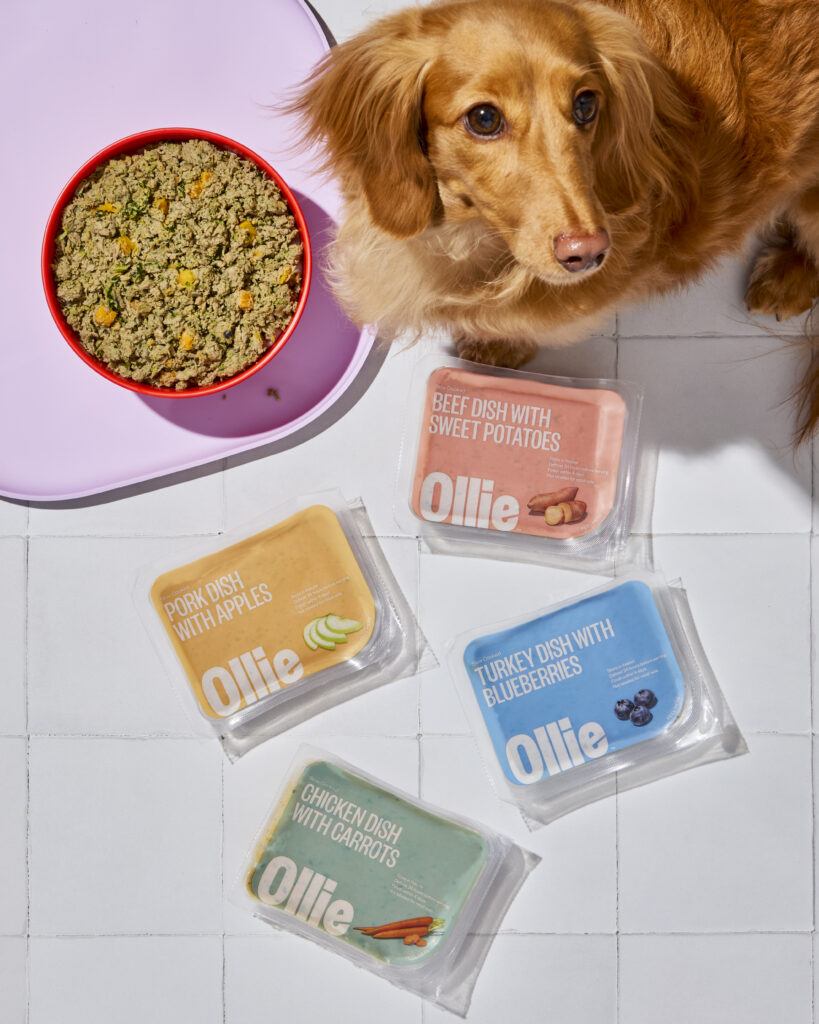
Ollie’s recipes are crafted with chefs and veterinary nutritionists, made with human-grade ingredients, and portioned to your dog’s exact weight, spay/neuter status, and activity level, so keeping your dachshund lean to support their spinal health becomes something you can reliably control.
Build your dachshund’s perfectly portioned plan →
Dachshund nutritional needs
A good dachshund diet is built around a simple goal: complete, balanced nutrition that keeps them lean and strong. That means quality protein to maintain muscle (strong core and back muscles help support the spine), omega-3 fatty acids like EPA and DHA to support joints and help manage inflammation, and the right number of calories for the individual dog.
That last point is where size really matters. A miniature dachshund and a standard dachshund can have very different daily calorie needs, and minis are especially easy to overfeed because even a small amount of extra food is a big share of their daily requirement. Whole, recognizable ingredients and precise portions are the whole game for this breed.
How much should I feed my dachshund?
There’s no one-size-fits-all answer to how much to feed a dachshund, because the right amount depends on whether you have a mini or a standard, plus your dog’s age, activity level, and ideal weight. The most reliable guide isn’t a number on a bag, it’s your dog’s body condition: feed to keep those ribs easily felt, the waist visible, and the belly slightly tucked, and adjust as they age or their activity changes.
Because dachshunds are both food-motivated and prone to weight gain, this is exactly where pre-portioned meals earn their keep. Rather than eyeballing a scoop (and accidentally overfeeding a small dog), Ollie calculates your dachshund’s daily calories down to their size and delivers meals already measured to match, whether you’ve got an 8-pound mini dachshund or a 28-pound standard.
What is the best food for dachshunds?
The best food for dachshunds is a complete, balanced diet that makes it easy to keep them at a lean, healthy weight, built on real ingredients rather than fillers like Ollie’s. Because weight is so central to this breed’s health, calorie quality matters as much as calorie count.
What to avoid:
- Overfeeding and free-feeding, the fastest routes to weight gain in a small, food-loving dog
- Too many treats and table scraps (they add up fast on a little body)
- Foods toxic to all dogs, including chocolate, grapes and raisins, onions and garlic, and anything with xylitol
What to look for:
- A named, high-quality protein as the first ingredient
- Omega-3 fatty acids (EPA and DHA) for joint and inflammation support
- Complete, balanced, appropriately portioned meals
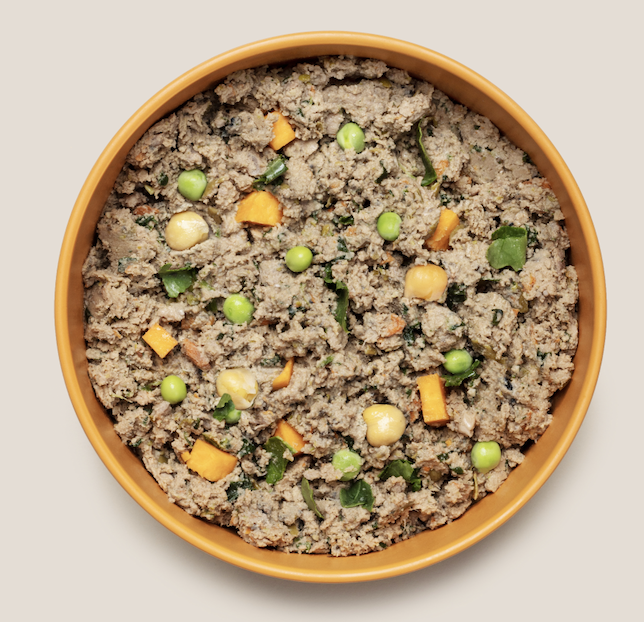
- Whole, recognizable ingredients over fillers, like the human-grade ingredients found in Ollie’s recipes
Start your dachshund’s fresh food plan →
FAQs about dachshunds
Are dachshunds prone to back problems?
Yes, more than almost any breed. Dachshunds are at roughly 10 to 12 times higher risk of intervertebral disc disease (IVDD) than other dogs, with an estimated 19 to 24% showing signs in their lifetime, according to a 2016 study published in Canine Genetics and Epidemiology [1]. It’s caused mainly by their long-and-low, chondrodystrophic build, so prevention focuses on protecting the back: ramps instead of jumps, careful handling, and a healthy weight.
How does diet affect a dachshund’s back health?
A: Diet doesn’t prevent IVDD, which is largely genetic, but it plays a real supporting role through weight. Keeping your dachshund lean reduces strain on their spine and joints, and a higher body weight has been linked to slower recovery after back surgery, as found in a study from 2022 published by The Veterinary Nurse [4]. A complete, calorie-controlled diet is one of the best tools you have for protecting their back.
How much should I feed a miniature vs. a standard dachshund?
Quite differently, since a mini (11 pounds and under) needs far fewer calories than a standard (16 to 32 pounds). Rather than a fixed cup amount, feed according to your dog’s body condition and adjust over time. Pre-portioned fresh food like Ollie’s does the calorie math for you, sizing each dog’s meals to their actual weight.
Is fresh food good for dachshunds?
Yes. Made with whole, human-grade ingredients and omega-3s that support the joints, fresh food like Ollie’s delivers lean, muscle-supporting nutrition, which is exactly what a dachshund’s vulnerable spine can benefit from.
Are dachshunds prone to obesity?
Yes. Dachshunds love food and are considered a breed prone to weight gain, which is a real concern given how much extra pounds strain their long backs. Measured meals, limited treats, and regular body-condition checks are the best defense.
What is the best food for a dachshund with back problems?
There’s no food that treats or cures IVDD, so be skeptical of any that claim to. The best diet for a dachshund with back issues is a complete, balanced, calorie-controlled food that keeps them at a lean, healthy weight (less strain on the spine), ideally with omega-3s for inflammation support. If your dog is recovering from a back problem, follow your vet’s nutrition guidance.
Do dachshunds have sensitive stomachs?
Dachshunds aren’t especially known for sensitive stomachs as a breed, but like any dog, individuals can have food sensitivities. Fresh food made with simple, whole, recognizable ingredients tends to be easy to digest. If your dachshund has ongoing digestive issues, check with your vet.
How can I tell if my dachshund is overweight?
Use a quick hands-on check: you should be able to feel their ribs easily without pressing, see a clear waist when looking down from above, and notice a slight belly tuck from the side. If the ribs are hard to feel or the waist is gone, your dachshund is likely carrying extra weight, and it’s worth a conversation with your vet.
References and further reading
- Packer RMA, et al. DachsLife 2015: an investigation of lifestyle associations with the risk of intervertebral disc disease in Dachshunds. Canine Genetics and Epidemiology, 2016. https://www.ncbi.nlm.nih.gov/pmc/articles/PMC5097381/
- Wallis N, et al. Demographic and lifestyle characteristics impact lifetime prevalence of owner-reported intervertebral disc disease: 43,517 companion dogs in the United States. JAVMA, 2025. https://pubmed.ncbi.nlm.nih.gov/39813820/
- PetMD. Dachshund Dog Breed Health and Care. https://www.petmd.com/dog/breeds/dachshund
- The Veterinary Nurse. An investigation of the impact of body condition score on the grade of intervertebral disc disease and recovery time. https://www.theveterinarynurse.com/content/research/an-investigation-of-the-impact-of-body-condition-score-on-the-grade-of-intervertebral-disc-disease-and-recovery-time
The Ollie blog is devoted to helping pet parents lead healthier lives with their pups. If you want to learn more about our fresh, human-grade food, check out ollie.com. Elizabeth Wieck contributed to this article and it was reviewed by our in-house team of veterinarians and scientists, Catherine Carchedi, MS, DVM; Lindsay Cassibry, MPH, DVM; and Brittany White, PhD.
Disclaimer: This article and the Ollie blog is for informational purposes only and is not a substitute for professional veterinary advice, diagnosis, or treatment. If your dog is showing signs of illness and/or injury, always consult your veterinarian promptly. Every dog is different, and any dietary change should be discussed with your veterinarian. Ollie is not a prescription or therapeutic diet and is not intended to prevent, treat, or manage any medical condition. Always work with your vet to determine the best care plan for your individual pup, especially if they’ve been diagnosed with a health condition.
Tagged As:

The nutrition your dog needs,
the food they want.
Written by:
Marissa Taffer is a consultant, writer and strategist based in Philadelphia. She lives and works with her rescue dog Charlie, a certified therapy dog.



Enjoying our articles? Subscribe our Newsletters and get new articles directly to your inbox
You might also like

30 August 2026
13 MINS READ
Chihuahua: Pros, Cons, and Diet Guide
The Chihuahua packs huge personality into a tiny frame. Learn about Chihuahua pros and cons, temperament, key health concerns, and expert feeding tips.

25 August 2026
10 MINS READ
Shih Tzu: Pros, Cons, and Best Food Guide
Thinking about bringing home a Shih Tzu? This guide breaks down the breed’s personality, grooming needs, and whether it’s the right fit for your life.

25 August 2026
10 MINS READ
Golden Retriever: Pros, Cons, and Diet Guide
Golden retrievers are famously friendly, but they come with unique needs—from heavy shedding to significant health risks like cancer. Discover the pros, cons, and how the right diet supports your…