[EXCLUSIVE] Ollie Blog readers! 70% OFF your First Box + FREE Ollie Hat (for You!) AND Bandana (for Pup!) Try now!
5 March 2026
10 MINS READ
Collie: Complete Breed Guide
Reviewed by: Catherine Carchedi, MS, DVM; Lindsay Cassibry, MPH, DVM; and Brittany White, PhD. Few breeds are as instantly recognizable as the collie. Thanks to Lassie, the elegant, sable-and-white rough collie became one of the most beloved family dogs in the world, but there’s far more to the breed than its Hollywood past [1]. Bred […]

Reviewed by: Catherine Carchedi, MS, DVM; Lindsay Cassibry, MPH, DVM; and Brittany White, PhD.
What is the best food for collies?
- Collies are athletic, working-bred herding dogs, so the foundation is a complete, balanced diet with quality protein to fuel lean muscle and steady, all-day energy.
- That famous coat, rough or smooth, is a direct reflection of their nutrition. Look for omega-3 fatty acids (EPA and DHA) alongside quality protein to keep it full, healthy, and shiny.
- Collies aren’t big overeaters, but the weight can still creep on without measured portions. Size meals to your individual dog and adjust for how active they actually are.
- Some of the breed’s most important health issues, like the MDR1 drug-sensitivity mutation and Collie Eye Anomaly, are genetic, not dietary. No food prevents or treats them, but a quality diet supports overall health while you manage these with your vet.
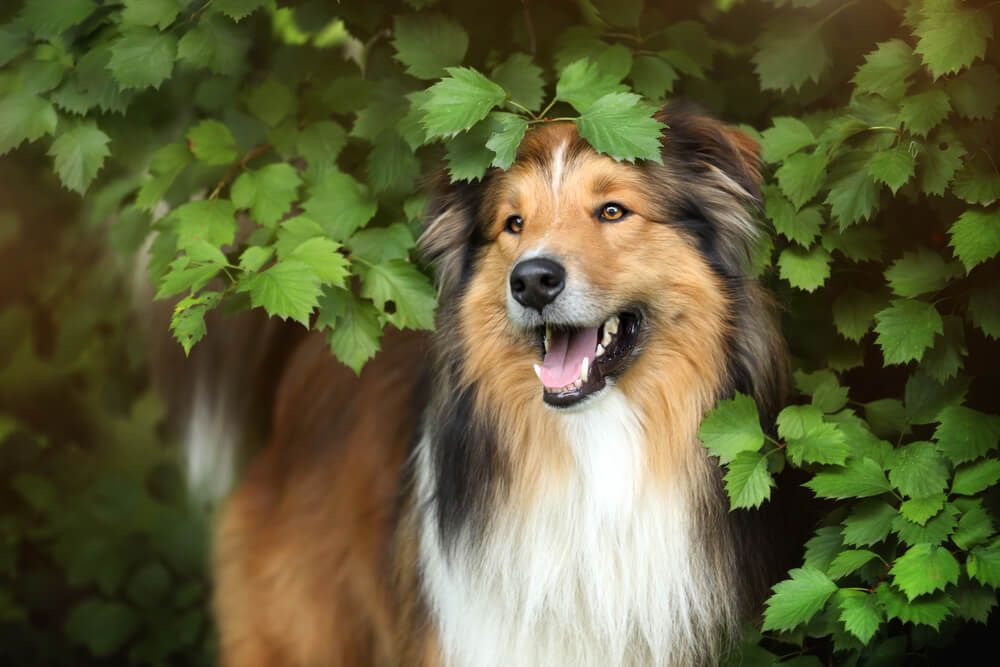
Few breeds are as instantly recognizable as the collie. Thanks to Lassie, the elegant, sable-and-white rough collie became one of the most beloved family dogs in the world, but there’s far more to the breed than its Hollywood past [1]. Bred to herd in the hills of Scotland and northern England, the collie is bright, devoted, sensitive, and athletic. This guide covers the collie’s pros and cons, the temperament that makes them such good family dogs, the health issues every owner should understand, and how to feed an active herding breed well.
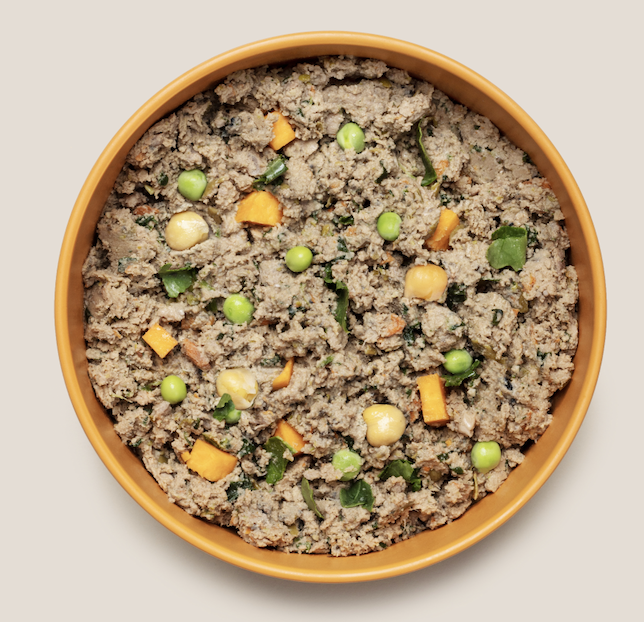
This is also where Ollie fits in. An athletic, working-bred dog runs on what’s in the bowl: quality protein builds and maintains the lean muscle a herding breed depends on, and the right calories fuel the energy and stamina behind a long walk or an afternoon of agility. So for a collie, food translates pretty directly into how they move, feel, and hold their condition day to day. Ollie’s fresh recipes are crafted with chefs and veterinary nutritionists, built on quality protein, and portioned to your individual dog, with short, recognizable ingredient lists you can actually read.
See Ollie’s fresh meal plans for collies →
Collie quick facts
- Size: A medium-to-large herding breed. Males stand about 24 to 26 inches at the shoulder and females about 22 to 24 inches, typically weighing 50 to 75 pounds [1].
- Lifespan: Roughly 12 to 14 years, often longer with good care [3].
- Coat: Two varieties. The rough collie has the long, flowing coat made famous by Lassie; the smooth collie wears a short, dense coat. Both shed and need regular brushing.
- Group: AKC Herding group, with roots as a Scottish and northern English sheepdog.
- Temperament: Devoted, gentle, intelligent, and sensitive. Famously good with families and children.
- Energy: Active and athletic, but not relentless. Daily exercise plus mental engagement keeps them happy. They’re not as high-energy as a border collie [1][3].
- Barking: Vocal. Collies are alert watchdogs and can be quick to bark, so early training helps.
- Best for: Active families and individuals who want a smart, affectionate companion and can offer daily exercise, mental stimulation, and plenty of together time.
Collie temperament and intelligence
Collies are prized for their sweet, sensitive nature. The American Kennel Club describes them as devoted, graceful, and proud, and that captures them well: these are gentle, loyal dogs that bond deeply with their families and are especially good with children [1]. The Lassie image of a loyal, watchful protector is spot on.
They’re also highly intelligent and quick to learn, which makes them a joy to train and naturals at obedience, agility, herding, and therapy work [1]. A couple of traits to plan for: Collies are sensitive dogs, responsive to household moods and prone to stress if things are chaotic, so they do best with positive, reward-based training and a calm environment. They can also be vocal, with a strong watchdog streak, so early work on managing barking pays off. And because they bond so closely, they don’t love being left alone for long stretches.
Pros of owning a collie
- Wonderful with families. Gentle, patient, and devoted, with a special soft spot for kids.
- Highly intelligent and trainable. They learn fast and excel at dog sports and obedience.
- Athletic companions. Up for hikes, runs, and active play with the people they love.
- Generally healthy and long-lived. Many collies stay spry well into their teens [3].
- Loyal watchdogs. Alert and attentive without being aggressive.
- Two coats to choose from. The glamorous rough or the lower-maintenance smooth, with the same great temperament either way.
Cons of owning a collie
- The coat needs upkeep. Especially the rough collie’s, which calls for regular brushing to prevent matting, plus heavier seasonal shedding.
- They’re sensitive. Collies pick up on stress and don’t respond well to harsh handling, so they need patience and a calm home.
- They can be barky. That watchdog instinct needs early training to keep it in check.
- They need daily engagement. An under-exercised collie turns restless and unhappy fast. Daily activity and a job for that busy mind are essential.
- They bond hard. Which is lovely, but it means they can struggle with being left alone for long days.
- They have breed-specific health risks. Including a few genetic conditions worth understanding before you commit, covered next.
Common collie health issues
Collies are a generally robust, long-lived breed, but they carry a handful of well-documented genetic predispositions, several of them specific to collies and their herding relatives [3]. Knowing them helps you choose a responsible breeder and partner with your vet. The Collie Club of America and the AKC recommend specific DNA tests for the breed, so ask any breeder which screenings a puppy’s parents have had [2].
- Collie Eye Anomaly (CEA). An inherited, congenital eye condition where parts of the eye don’t develop normally. It ranges from mild (many dogs see normally their whole lives) to serious, with the risk of retinal detachment and vision loss. It’s present from birth, so reputable breeders screen puppies by 6 to 8 weeks and test breeding dogs [5][6].
- Progressive retinal atrophy (PRA). A separate group of inherited eye diseases that gradually damage the retina and can lead to blindness. Signs can appear early, and genetic testing is recommended for breeding dogs [6].
- MDR1 (multidrug resistance) mutation. A genetic variant, very common in collies, that changes how they process certain medications. More on this condition below [4].
- Dermatomyositis (DMS). An inherited inflammatory condition of the skin and muscles, usually appearing in young dogs as hair loss, redness, and scaling on the face and legs. Severity varies widely [3][6].
- Epilepsy. Collies can be prone to idiopathic (no identifiable cause) seizures, which are typically managed with veterinary care [6].
- Bloat (GDV). As a deeper-chested breed, collies carry some risk of this serious stomach emergency, so smaller, calmer meals are a good habit to get into.
The MDR1 gene mutation in collies
If there’s one piece of collie-specific health knowledge worth having, it’s this one, because it can be lifesaving. MDR1 (also called ABCB1) is a gene that helps move certain drugs and toxins out of the brain. A common mutation in this gene leaves the system not working properly, so affected dogs can have severe, sometimes fatal reactions to ordinary doses of certain medications [4].
It matters for collies in particular because they have the mutation more than almost any other breed. Research published in 2021 from Washington State University, where the mutation was discovered, found that roughly three out of four collies in the United States carry at least one copy [4].
The drugs of concern include some common ones, such as high doses of ivermectin (the kind used to treat mange, not the much lower doses in standard heartworm preventives, which are tested and considered safe), the anti-diarrheal loperamide (Imodium), and certain anesthetics and chemotherapy agents [4]. Affected dogs can react with drooling, tremors, disorientation, difficulty walking, and more.
The good news is that this is manageable once you know. A simple cheek swab or blood test can tell you your dog’s MDR1 status. If your collie carries the mutation, your veterinarian can adjust doses or choose different medications to keep them safe.
Collie nutritional needs
Feeding a collie well starts with their build and lifestyle: an athletic, medium-to-large herding dog needs a complete, balanced diet with quality protein to support lean muscle and the energy for an active day. Protein is the foundation, and a recognizable, quality protein source should anchor the bowl.
The coat is the next priority. Whether your collie is rough or smooth, the condition of that coat is a visible readout of their nutrition. Quality protein supplies the building blocks for healthy hair and skin, while omega-3 fatty acids (EPA and DHA) support shine and skin comfort, and omega-6 fatty acids and minerals like zinc help maintain a strong skin barrier [7]. For active dogs, those same omega-3s also support joint health.
Fresh food makes those targets easier to hit. Ollie’s recipes are crafted with chefs and veterinary nutritionists to be complete and balanced, built on quality protein, and made with short, recognizable ingredient lists, so you always know exactly what your collie is eating. For an active breed that does best lean, meals portioned to your individual dog mean the right amount is measured for you, not estimated.
Build your collie’s perfectly portioned plan →
How much should I feed a collie?
There’s no single number, because the right amount depends on your dog’s weight, spay/neuter status, and activity level. A collie competing in agility every weekend needs more fuel than a mellow companion who prefers neighborhood strolls, and a growing puppy has different needs than a senior.
A few principles hold across the board. Collies do best at a lean, athletic weight, so serve measured meals rather than free-feeding, fold training treats into the daily total, and keep an eye on their shape. Run your hands along the sides: the ribs should be easy to find under a thin layer, with a waist that’s visible from above. Adjust up or down based on activity, and remember that an under-exercised collie can put on weight even on a moderate diet.
A fresh plan like Ollie’s helps here too: meals arrive already measured to your dog’s profile, so matching food to an active collie’s needs isn’t a daily guess.
What is the best food for collies?
So what should actually go in the bowl? For most collies, the best food checks these boxes:
- Complete and balanced for their life stage, whether puppy, active adult, or senior.
- Quality named proteins as the foundation, to fuel lean muscle and energy.
- Omega-3 fatty acids to support that signature coat and active joints [7].
- Portions sized to your individual dog, scaled to their actual activity level.
- Short, recognizable ingredients, so you always know what your collie is eating.
Ollie’s fresh, gently cooked recipes are made for exactly this: crafted with chefs and veterinary nutritionists, clean ingredient lists, and portions tailored to your dog’s size, spay/neuter status, and activity. For an athletic breed where energy and a healthy weight matter this much, that precision is what counts.
Start your collie’s fresh food plan →
FAQs about collies
Q: What is the MDR1 gene mutation in collies?
A: MDR1 is a genetic mutation, very common in collies, that affects how they process certain drugs. Roughly three out of four collies carry at least one copy, and affected dogs can have serious reactions to ordinary doses of some medications, including high-dose ivermectin and loperamide [4]. A simple test tells you your dog’s status so your vet can prescribe safely.
Q: Are border collies the same as “Lassie” collies?
A: No. They’re two different breeds. Lassie was a rough collie, and the rough and smooth collie are coat varieties of that one breed. The border collie is a separate breed and a herding relative, known for an even more intense working drive [1].
Q: How much exercise does a collie need?
A: Collies are active and athletic and need daily exercise plus mental engagement, such as walks, play, training, or dog sports like agility and herding [1][3]. That said, they’re not the tireless workaholics border collies are, so a good daily routine usually satisfies them.
Q: What is the best food for a collie?
A: A complete, balanced diet built on quality protein, with omega-3 fatty acids for the coat and joints, portioned to your dog’s activity level [7]. Fresh, gently cooked food like Ollie’s, portioned to your individual dog, checks those boxes.
Q: Is fresh food good for collies?
A: Yes. Fresh food like Ollie’s is built on quality protein that fuels the lean muscle and all-day energy an athletic herding breed depends on, and it arrives portioned to match how active your collie actually is.
Q: Are collies prone to eye problems?
A: Yes. Collie Eye Anomaly (a congenital, inherited condition) and progressive retinal atrophy are both seen in the breed, which is why eye screening and genetic testing are recommended for breeding dogs [5][6].
Q: How much should I feed a collie?
A: It depends on weight, spay/neuter status, and activity level, so measure portions and adjust to keep your dog lean and well-fueled. Active collies need more than couch companions. Your vet, or a pre-portioned plan like Ollie’s, can help you feed the right amount.
Q: Are collies good family dogs?
A: Very. Collies are gentle, devoted, and famously good with children, which is a big part of their enduring appeal [1]. They’re sensitive dogs, so they thrive in a calm home with early socialization and positive training.
References and further reading
- American Kennel Club. Collie Dog Breed Information. https://www.akc.org/dog-breeds/collie/
- American Kennel Club. Herding Group Health Testing Requirements. https://www.akc.org/breeder-programs/breed-health-testing-requirements/herding-group-health-testing-requirements/
- Collie Health Foundation. Health Conditions. https://www.colliehealth.org/health-conditions/
- Washington State University, Program in Individualized Medicine. Dog breeds commonly affected by MDR1 mutation. https://prime.vetmed.wsu.edu/2021/10/19/breeds-commonly-affected-by-mdr1-mutation/
- VCA Animal Hospitals. Collie Eye Anomaly. https://vcahospitals.com/know-your-pet/collie-eye-anomaly
- PetMD. Collie Dog Breed Health and Care. https://www.petmd.com/dog/breeds/collie
- VCA Animal Hospitals. The Importance of Your Pet’s Skin and Coat and the Role of Diet. https://vcahospitals.com/know-your-pet/the-importance-of-your-pets-skin-and-coat-and-the-role-of-diet
The Ollie blog is devoted to helping pet parents lead healthier lives with their pups. If you want to learn more about our fresh, human-grade food, check out ollie.com.
Disclaimer: This article and the Ollie blog is for informational purposes only and is not a substitute for professional veterinary advice, diagnosis, or treatment. If your dog is showing signs of illness and/or injury, always consult your veterinarian promptly. Every dog is different, and any dietary change should be discussed with your veterinarian. Ollie is not a prescription or therapeutic diet and is not intended to prevent, treat, or manage any medical condition. Always work with your vet to determine the best care plan for your individual pup, especially if they’ve been diagnosed with a health condition.
Tagged As:

The nutrition your dog needs,
the food they want.
Written by:
Marissa Taffer is a consultant, writer and strategist based in Philadelphia. She lives and works with her rescue dog Charlie, a certified therapy dog.




Enjoying our articles? Subscribe our Newsletters and get new articles directly to your inbox
You might also like

30 August 2026
13 MINS READ
Chihuahua: Pros, Cons, and Diet Guide
The Chihuahua packs huge personality into a tiny frame. Learn about Chihuahua pros and cons, temperament, key health concerns, and expert feeding tips.

25 August 2026
10 MINS READ
Shih Tzu: Pros, Cons, and Best Food Guide
Thinking about bringing home a Shih Tzu? This guide breaks down the breed’s personality, grooming needs, and whether it’s the right fit for your life.

25 August 2026
10 MINS READ
Golden Retriever: Pros, Cons, and Diet Guide
Golden retrievers are famously friendly, but they come with unique needs—from heavy shedding to significant health risks like cancer. Discover the pros, cons, and how the right diet supports your…