[EXCLUSIVE] Ollie Blog readers! 70% OFF your First Box + FREE Ollie Hat (for You!) AND Bandana (for Pup!) Try now!


Reviewed by: Catherine Carchedi, MS, DVM; Lindsay Cassibry, MPH, DVM; and Brittany White, PhD.
What is the best food for Chihuahuas?
- A Chihuahua’s tiny size and fast metabolism mean meals should be small, frequent, and precisely portioned, both to avoid easy overfeeding and to help keep blood sugar stable.
- Look for complete, balanced nutrition built on quality protein and dense enough that a small stomach gets everything it needs in a little volume, plus enough palatability to satisfy a famously picky eater.
- Portions sized to the individual dog, measured by calories rather than scoops, beat one-size-fits-all feeding, because a few extra bites go a long way on a five-pound frame.
- No food cleans teeth or prevents the periodontal disease small breeds are prone to (brushing and vet cleanings do that), but soft fresh food like Ollie’s is gentler on crowded, dental disease-prone mouths and helps keep your dog eating comfortably.
Few dogs pack as much personality into as small a frame as the Chihuahua. They are bold, deeply loyal, and clever enough to run the house if you let them, all in a body that rarely tops six pounds [2]. This guide covers the Chihuahua pros and cons, what that big personality is like to live with day to day, the health issues worth knowing, and how to feed a dog whose tiny size makes every meal matter more.
This is also where Ollie fits in. Chihuahuas have a reputation as picky eaters, but a lot of that pickiness is discernment: they tend to turn down bland, low-quality food. Fresh, gently cooked meals are exactly the kind of food a choosy Chihuahua will finish, and Ollie’s are portioned precisely so small dogs get what they need without tipping into too much.
Chihuahua quick facts
- Size: A true toy breed, usually not exceeding six pounds. There are no official “teacup,” “pocket,” or “miniature” sub-sizes, despite what some sellers claim [2][3].
- Lifespan: Roughly 14 to 16 years, among the longest of any breed [1].
- Coat: Two varieties, smooth (short) and long. Both are easy to keep up [2][3].
- Group: AKC Toy group. They’re a national symbol of Mexico and one of the oldest breeds in the Americas [1].
- Temperament: Alert, confident, and devoted to one or two chosen people [1][2].
- Energy: High for their size, though a couple of short walks and some indoor play usually cover it.
- Barking: Vocal, with a hair-trigger alarm system. Early training keeps it manageable.
- Best for: Apartment dwellers, singles, couples, and families with older, gentle kids who want a huge personality in a small, low-shedding package.
Pros of owning a Chihuahua
- They are built for small spaces. A Chihuahua does not need a yard or long daily runs. A few laps around the living room, a short walk, and a sunny spot to nap will satisfy most of them, which makes the breed a natural fit for apartment life [1].
- They go everywhere with you. At under six pounds, a Chihuahua is genuinely portable. They travel well, settle into a carrier, and are happy to come along on errands and trips that a bigger dog would sit out.
- They tend to live a long time. Fourteen to sixteen years is a long runway, and many Chihuahuas push past it [1]. That is a serious commitment worth thinking through before you bring one home, but it also means more years with a dog who is completely bonded to you.
- Grooming is simple. Smooth coats need little more than the occasional brush and bath. Long coats ask for slightly more attention, but still stay tidy with regular brushing [2][3].
- They are smart. Chihuahuas pick up commands and tricks quickly when training starts early and stays positive [1]. That intelligence is part of the charm, and it’s also why an under-stimulated Chihuahua may cause trouble.
- The bond runs deep. This is a breed that picks its people and sticks close. For someone who wants a constant companion, that devotion is the whole appeal.
Cons of owning a Chihuahua
- They like to talk. Chihuahuas are quick to bark at the doorbell, the mail carrier, and the suspicious package on the step. Plenty of attention, exercise, and mental stimulation keep it in check, and a “quiet” cue helps.
- They can be wary of strangers. That alert instinct makes them good little watchdogs, but without early socialization, it can tip into nervousness or snappiness around new people and dogs.
- They are fragile around small children. Chihuahuas are delicate, and they are also feisty enough to react if handled roughly. The breed usually does better in homes with older kids.
- They feel the cold. With so little body mass, Chihuahuas chill fast. In a harsh winter, you will want to limit time outside and invest in a sweater or coat.
- Their confidence needs managing. Chihuahuas often do not seem to know how small they are, and if you let the cuteness excuse skipping training, you can end up with a dog who guards the couch and barks until it gets its way.
- They come with specific care needs. Like many purebreds, Chihuahuas carry a handful of breed-linked health and dental concerns that require attention and budgeting. More on that below.
Chihuahua personality and temperament
The Chihuahua temperament is the reason people fall for the breed and, occasionally, the reason they are surprised by it. These are alert, self-possessed dogs with what the breed standard openly calls a terrier-like attitude: self-importance, confidence, and not much doubt about their place in the world [2]. They bond hard, usually to one or two people, and they want to be wherever you are, ideally in your lap or under a blanket.
That same boldness is why training and socialization matter so much here. A well-socialized Chihuahua is poised and friendly. One that never learned the ropes can become reactive, territorial, or convinced that barking is a personality. None of this is hard to prevent, but it does not happen on its own, and the small size makes it tempting to let things slide. Treat a Chihuahua like the smart, capable dog it is, and you get one of the most rewarding companions in the toy group.

Chihuahua health issues: what to watch for
Chihuahuas are generally hardy for such small dogs, which is part of how they reach those long lifespans. Still, the breed has a few known predispositions worth understanding, and several of them connect directly to diet. The conditions below are the ones to know.
- Dental disease. This is the one to take most seriously, and it has its own section below. In brief: small mouths crowd a full set of teeth into very little space, and that crowding makes Chihuahuas highly prone to periodontal disease [4][8].
- Hypoglycemia (low blood sugar). Toy-breed puppies are vulnerable to a drop in blood sugar in their first few months, largely because an immature liver cannot store and release glucose the way an adult’s can [6]. It is usually managed with small, frequent meals and tends to resolve as the puppy grows up [6]. Very small or very active adults can also dip if they go too long between meals or get stressed or chilled [7]. Signs like wobbliness, lethargy, or trembling warrant a vet call right away.
- Patellar luxation. A slipping kneecap is common in toy breeds and has a recognized genetic component in Chihuahuas specifically, according to a study published by Veterinary World in 2018 [9]. Mild cases are managed conservatively; severe ones may need surgery [8].
- Heart disease. Chihuahuas are prone to chronic degenerative mitral valve disease, and congestive heart failure tied to it is a leading cause of death in older Chihuahuas [8]. The breed also sees more than its share of patent ductus arteriosus, a congenital defect best caught early [8].
- Hydrocephalus and molera. Many Chihuahuas are born with a molera, a small soft spot where the skull has not fully closed, and the breed standard treats it as a normal trait, not a defect [2]. A molera on its own is not the same as hydrocephalus, a separate and more serious condition in which fluid builds up around the brain [10].
- Tracheal collapse. The windpipe’s cartilage rings can weaken in small breeds, producing a honking cough that worsens with excitement or exertion [10]. Keeping a Chihuahua at a healthy weight helps, and walking on a harness rather than a collar takes pressure off the throat.
Chihuahua nutritional needs
Pound for pound, little dogs burn energy faster than big ones, so a Chihuahua needs a calorie-dense, nutrient-rich diet to fuel that fast metabolism without having to eat a large volume of food. Quality matters more than quantity here, because there is so little room in the bowl to begin with.
Meal timing matters too. Spreading food across two or three meals a day helps keep blood sugar steady, which is especially important for puppies and the tiniest adults, given the breed’s tendency toward hypoglycemia [6][7]. A Chihuahua that grazes on a steady schedule is far less likely to crash than one fed a single large meal with long gaps on either side.
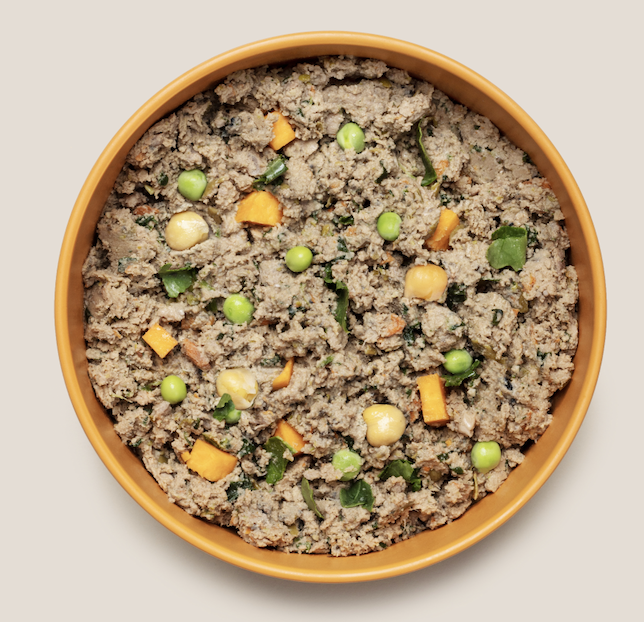
Then there is the pickiness. Chihuahuas are choosy, but that choosiness is often just good taste: they tend to refuse dry, bland, low-quality food and hold out for something that actually smells and tastes like a meal. That is exactly where a fresh diet earns its place. Ollie’s recipes are crafted with chefs and veterinary nutritionists, made from real meat and whole ingredients, and they are palatable enough to win over a discerning Chihuahua while delivering the dense, complete nutrition a tiny dog needs.
Chihuahua dental health and diet
If there is one health issue every Chihuahua owner should plan around, it is dental disease. Extra-small breeds are up to five times more likely to develop periodontal disease than the largest breeds, according to one of the largest studies ever done on the subject, published by The Veterinary Journal in 2021 [4]. The reason is mechanical: a Chihuahua’s jaw has to fit a nearly full complement of teeth into a fraction of the space, and that crowding traps plaque and makes gum disease far more likely [5][8]. Left unaddressed, periodontal disease causes pain, tooth loss, and bacteria that can affect the rest of the body.
Here is where diet does and does not help. Crunchy kibble is often credited with cleaning teeth, but the evidence for that is thin. Most kibble shatters on contact without ever scrubbing the gumline, so it is not a substitute for actual dental care. True plaque control comes from regular toothbrushing, professional cleanings under your vet’s guidance, and dental products that carry the Veterinary Oral Health Council seal [5].
What food can do is meet a compromised mouth where it is. For a Chihuahua with sore gums, missing teeth, or a history of dental work, hard kibble can be genuinely uncomfortable to eat. Soft, fresh food like Ollie’s is easier and gentler to chew, which can make the difference between a dog who finishes meals and one who picks at them.
How much should I feed my Chihuahua?
Because Chihuahuas are so small, portions are genuinely tiny, and getting them right takes a little precision. Most adult Chihuahuas eat somewhere around a quarter to a half cup of dry food a day, which usually works out to roughly 150 to 250 calories, split into two or three meals. The smallest dogs sit at the low end of that range, and active or growing dogs at the higher end.
Treat those numbers as a starting point, not a prescription. The right amount depends on your dog’s weight, spay/neuter status, activity level, and the calorie density of the specific food, and tiny dogs are easy to overfeed because a few extra bites go a long way on a five-pound frame. The most reliable approach is to base portions on calories rather than scoops, watch your dog’s body condition, and confirm the target with your veterinarian.
A fresh plan like Ollie’s solves the portion problem here: we build each dog’s meals around their actual weight and needs, so a Chihuahua gets food measured for their body rather than a generic cup.
What is the best food for Chihuahuas?
There is no single “best” dog food, only the best food for your individual dog, so the goal is to recognize quality and match it to a Chihuahua’s specific needs [12]. Here are a few things to look for:
- A real source of animal protein leading the ingredients, to fuel a fast metabolism.
- Calorie density and complete nutrition, so a small stomach gets everything it needs in a small volume.
- A size and texture a tiny mouth can manage, which matters even more for a dental-prone breed.
- High palatability, because the most nutritious food does nothing if your Chihuahua turns up its nose.
By those measures, fresh food suits this breed well. Ollie’s meals are crafted with chefs and veterinary nutritionists, built from whole ingredients, and made to be both complete and genuinely appetizing, which answers the two questions that matter most for a Chihuahua: is it good for them, and will they actually eat it?
FAQs about Chihuahuas
Are Chihuahuas picky eaters?
Often, yes. The breed has a well-earned reputation for being choosy, though much of that is a preference for food that smells and tastes like real food rather than dry, bland filler. A fresh, high-quality diet like Ollie’s usually wins over even a discerning Chihuahua.
What is the best food for a Chihuahua?
The best food is one that is complete and balanced, calorie-dense enough for a fast metabolism, easy for a small mouth to eat, and palatable enough that your dog actually finishes it. Fresh diets like Ollie’s made with quality ingredients fit those needs well. There is no universal best, so match the food to your individual dog [12].
How much should a Chihuahua eat per day?
Most adults eat around a quarter to a half cup of dry food daily, roughly 150 to 250 calories, divided into two or three meals [7]. The exact amount depends on weight, spay/neuter status, and activity, so confirm the target with your vet or try a custom-portioned plan like Ollie’s and feed by calories rather than guessing with a scoop.
Do Chihuahuas have dental problems?
Frequently. Small breeds are up to five times more likely than giant breeds to develop periodontal disease, because crowded teeth in a small jaw trap plaque [4][5]. Regular brushing and professional cleanings are the most effective forms of prevention.
Are Chihuahuas prone to hypoglycemia?
Yes, especially puppies and very small adults. An immature liver in young toy-breed dogs can struggle to keep blood sugar stable, which is why small, frequent meals are recommended [6][7]. Wobbliness, trembling, or unusual lethargy is a reason to call your vet promptly.
What foods should Chihuahuas avoid?
Beyond the foods toxic to all dogs (chocolate, grapes and raisins, onions, garlic, xylitol, and alcohol), Chihuahuas do best avoiding low-quality, calorie-empty foods and an excess of treats, which crowd out real nutrition fast on such a small frame. Keep treats to a small share of daily calories.
Is wet or dry food better for Chihuahuas?
Both can work, and the right choice depends on the dog. Dry food is convenient, though the kibble must still be a size a small mouth can handle. Wet and fresh foods like Ollie’s tend to be more palatable for picky eaters, add moisture, and are easier to chew for dogs with dental issues. Many Chihuahua owners land on fresh or a fresh-and-dry mix for exactly those reasons.
Can Chihuahuas eat fresh dog food?
Yes. Fresh food like Ollie’s suits the breed well: it is easy to portion precisely for a tiny dog, gentle on dental-prone mouths, and palatable enough to satisfy a choosy eater, all while meeting complete nutritional needs.
Are Chihuahuas hard to take care of?
Not especially, but they are particular. They need consistent early training and socialization, protection from cold, careful dental care, gentle handling, and attention to portion size and meal timing. Meet those needs, and a Chihuahua is a low-maintenance, long-lived companion.
References and further reading
- American Kennel Club. Chihuahua Dog Breed Information. https://www.akc.org/dog-breeds/chihuahua/
- American Kennel Club. Official Standard of the Chihuahua. https://images.akc.org/pdf/breeds/standards/Chihuahua.pdf
- Chihuahua Club of America. The Chihuahua. https://www.chihuahuaclubofamerica.org/thechihuahua
- Waltham Petcare Science Institute. Small dog breeds at highest risk for dental disease. https://www.waltham.com/news-events/oral-health/small-dog-breeds-highest-risk-dental-disease
- Merck Veterinary Manual. Periodontal Disease in Small Animals. https://www.merckvetmanual.com/digestive-system/dentistry-in-small-animals/periodontal-disease-in-small-animals
- Merck Veterinary Manual. Congenital and Inherited Cerebral Disorders in Small Animals. https://www.merckvetmanual.com/nervous-system/congenital-and-inherited-anomalies-of-the-nervous-system-in-small-animals/congenital-and-inherited-cerebral-disorders-in-small-animals
- American Kennel Club. Hypoglycemia in Dogs: Signs, Symptoms, and Treatments. https://www.akc.org/expert-advice/health/hypoglycemia-in-dogs/
- PetMD. Chihuahua Dog Breed Health and Care. https://www.petmd.com/dog/breeds/chihuahua
- Wangdee C, et al. Dystroglycan 1: A new candidate gene for patellar luxation in Chihuahua dogs. https://www.ncbi.nlm.nih.gov/pmc/articles/PMC6200557/
- Purina. Chihuahua Dog Breed Information. https://www.purina.co.uk/find-a-pet/dog-breeds/chihuahua-long-coat
- Cummings School of Veterinary Medicine, Tufts University. Nutrition FAQs. https://vet.tufts.edu/foster-hospital-small-animals/specialty-services/nutrition/nutrition-faqs
The Ollie blog is devoted to helping pet parents lead healthier lives with their pups. If you want to learn more about our fresh, human-grade food, check out ollie.com. Marissa Taffer and Elizabeth Wieck contributed to this article and it was reviewed by our in-house team of veterinarians and scientists, Catherine Carchedi, MS, DVM; Lindsay Cassibry, MPH, DVM; and Brittany White, PhD.
Disclaimer: This article and the Ollie blog is for informational purposes only and is not a substitute for professional veterinary advice, diagnosis, or treatment. If your dog is showing signs of illness and/or injury, always consult your veterinarian promptly. Every dog is different, and any dietary change should be discussed with your veterinarian. Ollie is not a prescription or therapeutic diet and is not intended to prevent, treat, or manage any medical condition. Always work with your vet to determine the best care plan for your individual pup, especially if they’ve been diagnosed with a health condition.
Tagged As:

The nutrition your dog needs,
the food they want.
Written by:
Elizabeth Wieck is a New York City–based writer and consultant with more than a decade of experience. She loves telling stories that connect with readers—especially when they involve pets.



Enjoying our articles? Subscribe our Newsletters and get new articles directly to your inbox
You might also like

25 August 2026
10 MINS READ
Shih Tzu: Pros, Cons, and Best Food Guide
Thinking about bringing home a Shih Tzu? This guide breaks down the breed’s personality, grooming needs, and whether it’s the right fit for your life.

25 August 2026
10 MINS READ
Golden Retriever: Pros, Cons, and Diet Guide
Golden retrievers are famously friendly, but they come with unique needs—from heavy shedding to significant health risks like cancer. Discover the pros, cons, and how the right diet supports your…
11 August 2026
12 MINS READ
Pitbull: Complete Breed Guide
Reviewed by: Catherine Carchedi, MS, DVM; Lindsay Cassibry, MPH, DVM; and Brittany White, PhD. Quick answer: What is the best food for pitbulls? – Pitbulls are muscular, athletic dogs, so …