[EXCLUSIVE] Ollie Blog readers! 70% OFF your First Box + FREE Ollie Hat (for You!) AND Bandana (for Pup!) Try now!


Reviewed by: Catherine Carchedi, MS, DVM; Lindsay Cassibry, MPH, DVM; and Brittany White, PhD.
Quick answer: What is the best food for Yorkies?
- Yorkies are known for sensitive stomachs, so they do best on a consistent, highly digestible diet, with any food changes introduced slowly. Abrupt switches are one of the most common triggers for an upset stomach in this breed.
- Look for complete, balanced nutrition built on quality, digestible protein, plus omega-3 and omega-6 fatty acids to support the breed’s famously silky coat and skin.
- Feed small, frequent meals sized to the individual dog by calories rather than scoops, which suits a fast metabolism and helps guard against the low blood sugar toy breeds are prone to.
- No food cures a genetic condition like a liver shunt or instantly fixes a touchy stomach, but a steady, high-quality, digestible diet like Ollie’s is the single biggest day-to-day lever you have for your Yorkie’s gut and coat.
Under the floor-length, show-ring coat, the Yorkshire terrier is still a terrier at heart. Long before they were Victorian lapdogs, Yorkies earned their keep chasing rats through the mills and mines of northern England, and that scrappy, fearless streak never left [1]. Today, they pack outsized confidence, loyalty, and attitude into a body that tops out around seven pounds.
This guide covers Yorkie pros and cons, what daily life with one is actually like, the health issues worth knowing, and a Yorkie feeding guide built around the two things diet most affects in this breed: a sensitive stomach and that signature coat.
The diet part is where Ollie comes in. Yorkies have one of the more delicate digestive systems among small breeds, and their coats reflect what goes in the bowl. Fresh, gently cooked food made from whole, digestible ingredients and quality protein is well-suited to a touchy Yorkie stomach, and Ollie’s meals are portioned precisely for each dog, so your Yorkie gets exactly what they need without the fillers that tend to upset them.
See Ollie’s fresh meal plans for Yorkies →
Yorkie basics: size, lifespan, and key traits
- Size: A toy breed that must not exceed seven pounds by the breed standard, usually standing about seven to eight inches tall [2][3].
- Lifespan: Around 11 to 15 years [3].
- Coat: Long, fine, and silky, more like human hair than fur, in steel blue and tan. It grows continuously and needs regular brushing and trimming [1][3].
- Shedding: Minimal, which is part of why the breed is often called a good fit for allergy sufferers [3].
- Group: AKC Toy group, but with a true terrier temperament.
- Temperament: Bold, affectionate, alert, and convinced they are much bigger than they are [1][3].
- Energy: Higher than you might expect for the size. A couple of short walks plus play and mental stimulation keep them satisfied [3].
- Best for: Apartment and city dwellers, singles, couples, and families with older kids who want a spirited companion in a small package.
Pros of owning a Yorkshire terrier
- They fit almost anywhere. At under seven pounds, a Yorkie is built for apartment and city living. They do not need a yard, they travel easily, and they are content with moderate exercise rather than long runs [3].
- They shed very little. The Yorkie’s single, hair-like coat sheds far less than a typical double coat, which keeps loose hair around the house to a minimum and is part of the breed’s appeal for people sensitive to dog dander.
- They are big personalities in small bodies. Yorkies are bold, funny, and endlessly entertaining, with a terrier confidence that makes them feel like a much larger dog. For someone who wants a dog with real character, they deliver.
- They bond hard and make great watchdogs. This is a breed that attaches closely to its people and takes its job seriously. A Yorkie will alert you to every knock at the door, which makes them an effective, if vocal, little alarm system [1].
- They are portable companions. A Yorkie is happy to come along, whether that is a walk, a car trip, or a coffee run. Their size makes them one of the easiest breeds to bring into daily life.
Cons of owning a Yorkshire terrier
- The coat is a commitment. That beautiful hair grows constantly and mats without upkeep, so Yorkies need regular brushing, baths, and trims, whether you learn to do it yourself or budget for a groomer. Neglected coats can lead to painful matting and skin trouble [3].
- No dog is truly hypoallergenic. Yorkies are often recommended for allergy sufferers, and their low-shedding coat does help, but every dog produces allergens in dander and saliva, so none is completely hypoallergenic [3].
- They can be vocal and territorial. That watchdog instinct tips into nuisance barking or possessiveness without early training and socialization.
- They feel the cold. With little body fat and a fine coat, Yorkies chill quickly and often need a sweater in winter [3].
- They can be delicate. Yorkies are small enough to be injured by rough handling or a bad fall, so they tend to do best in homes with older, gentle children [3].
- They come with specific health and diet needs. The breed carries a handful of known issues, several of them tied to digestion and diet. More on that below.
Yorkie temperament and personality
Yorkies are proof that personality has nothing to do with size. The breed standard describes a dog that is spirited, alert, and full of self-importance, and most owners will tell you that is exactly right [1]. They are affectionate and devoted to their people, often picking a favorite, and they bring a terrier’s boldness to everything they do. That same tenacity is a holdover from their ratting days, and it is why a Yorkie will happily square up to a dog ten times its size without a second thought.
It’s important to know that a Yorkie needs structure to be its best self. Without early socialization and consistent, positive training, that confidence can curdle into yappiness, stubbornness, or small-dog territoriality. Yorkies are smart but not always eager to please, and many are not especially food-motivated, which can make training a test of patience [3]. Keep sessions short, upbeat, and rewarding, and you get a poised, charming companion.
Common Yorkie health issues
Yorkies are a generally sturdy breed, but they have several known predispositions, and a notable share of them connect to the digestive system and diet. The conditions below are the ones to know.
- Sensitive stomach and digestive upset. Yorkies are widely known for delicate digestion, and they tend to react to abrupt diet changes with vomiting, diarrhea, or refusing a meal. Consistency and slow food transitions matter more for this breed than for many others [9].
- Liver (portosystemic) shunt. This is one of the more Yorkie-specific concerns. A portosystemic shunt is an abnormal blood vessel that lets blood bypass the liver, so toxins that the liver would normally filter build up in the bloodstream. Yorkshire terriers are one of the most overrepresented breeds here, with studies finding roughly 3% affected [4]. Signs can include poor growth, disorientation, or neurological episodes, sometimes triggered after protein-rich meals [5]. It is managed with a combination of diet and medication or, in many cases, surgery, always under veterinary direction.
- Hypoglycemia (low blood sugar). Like other toy breeds, Yorkie puppies and very small adults can experience drops in blood sugar, especially if they go too long between meals or get stressed or chilled. Small, frequent meals are the standard preventive measure [6].
- Dental disease. Small mouths crowd a full set of teeth into very little space, and that crowding makes toy breeds highly prone to periodontal disease. Extra-small dogs are up to five times more likely to develop it than the largest breeds [7][8].
- Luxating patella. A kneecap that slips out of its groove is common in this breed, showing up as an occasional skip, hop, or briefly held-up back leg. Mild cases are managed conservatively, while severe ones may need surgery [3].
- Tracheal collapse. Yorkies are genetically predisposed to a weakening of the windpipe’s cartilage rings, which produces a distinctive honking cough that worsens with excitement or exertion [3].
- Eye conditions. The breed is prone to inherited eye problems, including progressive retinal atrophy and lens luxation, so any cloudiness, vision changes, or eye discomfort is worth a vet visit [11].
Yorkie nutritional needs: small but demanding
A Yorkie’s nutrition requires precision. Pound for pound, small dogs burn energy faster than big ones, so a Yorkie needs a calorie-dense, nutrient-rich diet that delivers complete nutrition in a very small volume. There is almost no room for filler in a bowl this size, which is exactly why quality matters more than quantity here.
Two breed realities shape the Yorkie diet beyond that. The first is digestion: Yorkies do best on highly digestible, consistent food, and they tolerate gradual changes far better than sudden ones.
The second is the coat. That silky, continuously growing hair is one of the breed’s defining features. Omega-3 and omega-6 fatty acids, ideally from quality animal and fish sources, help support a strong skin barrier and a glossy coat. In many cases, higher quality food does more for coat condition than any supplement [10]. Pair that with quality, digestible protein, and you are feeding the gut and the coat at the same time.
Ollie’s recipes are crafted with chefs and veterinary nutritionists, built from whole ingredients and quality protein, and made to be both gentle on digestion and genuinely appetizing, which helps with a breed that can be famously choosy at the bowl.
Build your Yorkshire terrier’s perfectly portioned plan →
Yorkies and sensitive stomachs
If there is one feeding issue Yorkie owners run into most, it is a sensitive stomach. The breed has a well-earned reputation for digestive upset, and while every dog is an individual, small dogs in general have less margin for error: a minor dietary slip that a large dog shrugs off can mean a day of vomiting or diarrhea for a Yorkie. The most common trigger is a food change made too quickly [9].
The fix is mostly about consistency and patience. When you do need to switch foods, do it gradually over at least seven days, mixing in a little more of the new food each day so the digestive system has time to adjust. Dogs with sensitive stomachs may need an even slower transition [9].
Beyond that, the fundamentals are simple: feed a consistent, highly digestible, complete diet, go easy on table scraps and frequent treat changes, and keep an eye on stool quality as your best everyday signal of how digestion is going [9]. Whole-food, quality-protein diets without unnecessary fillers like Ollie’s tend to sit well with touchy stomachs, which is a big part of why fresh food suits the breed.
One important note: if your Yorkie has chronic digestive trouble, ongoing loose stool, or signs like poor growth or neurological episodes, that is a conversation for your vet rather than a problem to solve with diet alone, since it can point to an underlying issue like a liver shunt.
How much should I feed my Yorkie?
Because Yorkies are so small, portions are tiny and precision counts. Most adult Yorkies eat somewhere around a quarter to a half cup of dry food a day, which usually works out to roughly 150 to 250 calories, with the smallest dogs at the low end and active or growing dogs at the higher.
The exact amount depends on your dog’s weight, spay/neuter status, and activity, and tiny dogs are easy to overfeed, so it is best to feed by calories rather than scoops and confirm the target with your vet.
Meal frequency matters as much as amount for this breed, because small, regular meals help keep blood sugar steady [6]. A simple Yorkie feeding schedule looks like this:
- Young puppies (under about 4 months): 3 to 4 small meals spread across the day, never with long gaps.
- Puppies (about 4 months to 1 year): 3 meals a day.
- Adults: 2 to 3 meals a day. For example, breakfast around 7 to 8 a.m., an optional midday meal, and dinner around 5 to 6 p.m.
A fresh plan like ours takes the guesswork out of portion math: Ollie builds each dog’s meals around their actual weight and needs, so your Yorkie gets food measured for their body rather than a generic cup.
What is the best food for Yorkies?
There is no single “best” dog food, only the best food for your individual dog, so the goal is to recognize quality and match it to a Yorkie’s specific needs [13]. A few things to look for:
- Quality, digestible protein leading the ingredients, to fuel their fast metabolism and go easy on their sensitive stomach.
- Omega-3 and omega-6 fatty acids, from quality animal and fish sources, to support skin and that silky coat [10].
- Complete, calorie-dense nutrition, so their small stomach gets everything it needs in a small volume.
- Piece size and texture that their tiny mouth can manage, which matters for a dental disease-prone breed.
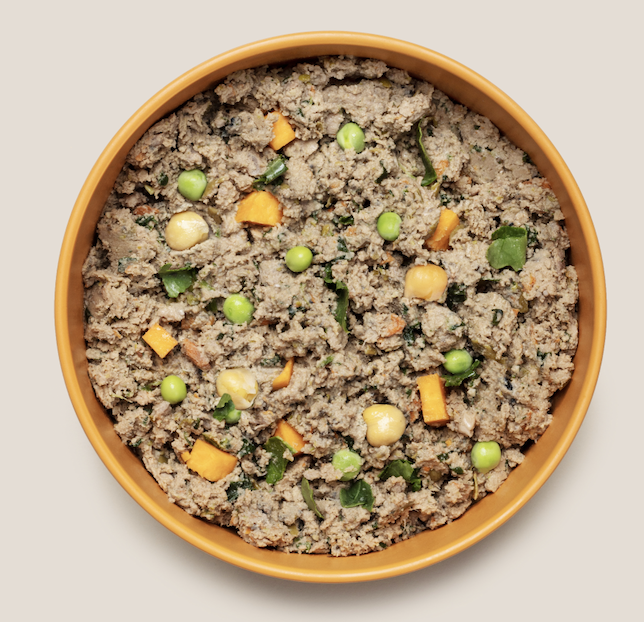
By those measures, fresh food is a great choice for the breed. Ollie’s meals are crafted with chefs and veterinary nutritionists, made from whole ingredients and quality protein, and built to be gentle on digestion while supporting skin and coat, which answers what matters most for a Yorkie: will it sit well, and will they actually eat it?
Start your Yorkie’s fresh food plan →
FAQs about Yorkshire terriers
Q: Are Yorkies prone to sensitive stomachs?
A: Yes. The breed is widely known for delicate digestion and tends to react to abrupt food changes with vomiting or diarrhea. Feeding a consistent, highly digestible diet like Ollie’s and transitioning to any new food slowly over at least a week helps the most [9].
Q: What is the best food for a Yorkie?
A: One that is complete and balanced, built on quality digestible protein, rich in omega fatty acids for the coat, and easy for a small mouth to eat. Fresh diets made with whole ingredients fit those needs well. There is no universal best, so match the food to your individual dog.
Q: How much should I feed my Yorkie per day?
A: Most adults eat around a quarter to a half cup of dry food daily, roughly 150 to 250 calories, divided into two or three meals [6]. The exact amount depends on weight, age, and activity, so feed by calories and confirm the target with your vet.
Q: How often should a Yorkie eat?
A: Small, frequent meals are best. Young puppies need 3 to 4 small meals a day to protect blood sugar levels, older puppies around 3, and adults 2 to 3, ideally on a consistent daily schedule [6].
Q: Do Yorkies have dental problems?
A: Frequently. Crowded teeth in a small jaw make toy breeds up to five times more likely than giant breeds to develop periodontal disease [7][8]. Regular brushing and professional cleanings are the most effective prevention.
Q: Are Yorkies prone to hypoglycemia?
A: Yes, especially puppies and very small adults, who can drop in blood sugar if they go too long between meals or get stressed or chilled. Small, frequent meals are the standard preventive step, and trembling or unusual lethargy is a reason to call your vet promptly [6].
Q: What ingredients should I avoid for Yorkies?
A: Beyond the foods toxic to all dogs (chocolate, grapes and raisins, onions, garlic, xylitol, and alcohol), Yorkies do best avoiding low-quality fillers and frequent changes in treats or food that can upset a sensitive stomach. If your Yorkie has a diagnosed liver shunt, your vet may recommend specific dietary protein adjustments [5].
Q: What do Yorkies eat?
A: A complete, balanced diet of quality, digestible food like Ollie’s, fed in small portions across the day. Fresh, whole-food diets, quality kibble sized for small mouths, and vet-guided options all work. The key is consistency, digestibility, and coat-supporting nutrition.
Q: Is fresh food good for Yorkies?
A: Yes. Fresh food suits the breed well: it is easy to portion precisely for a tiny dog, made from whole, digestible ingredients that tend to be gentle on a sensitive stomach, rich in the omega fatty acids that support the coat, and palatable enough to win over a picky eater.
Q: Are Yorkies high maintenance?
A: In some ways, yes. The coat needs regular grooming, their sensitive stomach needs consistency, and the breed needs training and protection from cold and injury. Meet those needs, and a Yorkie is a devoted, portable, long-lived companion.
References and further reading
- American Kennel Club. Yorkshire Terrier Dog Breed Information. https://www.akc.org/dog-breeds/yorkshire-terrier/
- American Kennel Club. Official Standard of the Yorkshire Terrier. https://images.akc.org/pdf/breeds/standards/YorkshireTerrier.pdf
- PetMD. Yorkshire Terrier (Yorkie) Dog Breed Health and Care. https://www.petmd.com/dog/breeds/yorkshire-terrier
- Universities Federation for Animal Welfare (UFAW). Yorkshire Terrier: Portosystemic Shunt. https://www.ufaw.org.uk/dogs/yorkshire-terrier-portosystemic-shunt
- Today’s Veterinary Nurse. Congenital Extrahepatic Portosystemic Shunt in a Yorkshire Terrier. https://todaysveterinarynurse.com/internal-medicine/congenital-extrahepatic-portosystemic-shunt-in-a-yorkshire-terrier/
- American Kennel Club. Hypoglycemia in Dogs: Signs, Symptoms, and Treatments. https://www.akc.org/expert-advice/health/hypoglycemia-in-dogs/
- Waltham Petcare Science Institute. Small dog breeds at highest risk for dental disease. https://www.waltham.com/news-events/oral-health/small-dog-breeds-highest-risk-dental-disease
- Merck Veterinary Manual. Periodontal Disease in Small Animals. https://www.merckvetmanual.com/digestive-system/dentistry-in-small-animals/periodontal-disease-in-small-animals
- American Kennel Club. The Right Way to Switch Dog Foods. https://www.akc.org/expert-advice/nutrition/right-way-switch-dog-foods/
- Hill’s Pet Nutrition. Fatty Acid Benefits in a Dog’s Health. https://www.hillspet.com/dog-care/nutrition-feeding/fatty-acids-for-dogs
- PDSA. Yorkshire Terrier. https://www.pdsa.org.uk/pet-help-and-advice/looking-after-your-pet/puppies-dogs/small-dogs/yorkshire-terrier
- Cummings School of Veterinary Medicine, Tufts University. Nutrition FAQs. https://vet.tufts.edu/foster-hospital-small-animals/specialty-services/nutrition/nutrition-faqs
The Ollie blog is devoted to helping pet parents lead healthier lives with their pups. If you want to learn more about our fresh, human-grade food, check out ollie.com.
Disclaimer: This article and the Ollie blog is for informational purposes only and is not a substitute for professional veterinary advice, diagnosis, or treatment. If your dog is showing signs of illness and/or injury, always consult your veterinarian promptly. Every dog is different, and any dietary change should be discussed with your veterinarian. Ollie is not a prescription or therapeutic diet and is not intended to prevent, treat, or manage any medical condition. Always work with your vet to determine the best care plan for your individual pup, especially if they’ve been diagnosed with a health condition.
Tagged As:

The nutrition your dog needs,
the food they want.
Written by:
Marissa Taffer is a consultant, writer and strategist based in Philadelphia. She lives and works with her rescue dog Charlie, a certified therapy dog.




Enjoying our articles? Subscribe our Newsletters and get new articles directly to your inbox
You might also like

30 August 2026
13 MINS READ
Chihuahua: Pros, Cons, and Diet Guide
The Chihuahua packs huge personality into a tiny frame. Learn about Chihuahua pros and cons, temperament, key health concerns, and expert feeding tips.

25 August 2026
10 MINS READ
Shih Tzu: Pros, Cons, and Best Food Guide
Thinking about bringing home a Shih Tzu? This guide breaks down the breed’s personality, grooming needs, and whether it’s the right fit for your life.

25 August 2026
10 MINS READ
Golden Retriever: Pros, Cons, and Diet Guide
Golden retrievers are famously friendly, but they come with unique needs—from heavy shedding to significant health risks like cancer. Discover the pros, cons, and how the right diet supports your…