[EXCLUSIVE] Ollie Blog readers! 70% OFF your First Box + FREE Ollie Hat (for You!) AND Bandana (for Pup!) Try now!


A vomiting dog is no fun for anyone involved. Your pup may be in distress and it makes for a messy and sometimes scary experience for you too. Unfortunately, just like humans, dogs will throw up from time to time. In most instances, a vomiting dog isn’t cause for concern. He likely just ate something that doesn’t agree with his stomach. However, sometimes vomiting in dogs can point to a more serious underlying issue. Here’s how to tell what caused your dog to throw up and what to do to help him get back to normal fast.
Why is My Dog Throwing Up?
There are a number of reasons why your dog might be vomiting. The two most common reasons are that your dog ate grass or your dog ate his food too fast. Gary Weitzman, DVM, President of the San Diego Humane Society and author of the book The Complete Guide to Pet Health, Behavior, and Happiness says, “The number one reason is eating grass, but it’s not harmful. People think that dogs eat grass because their stomachs are upset, but they eat grass and that’s what upsets their stomachs.” Why do dogs eat grass? No good reason; they just like the smell.
The second most common cause of dog vomiting is eating too quickly. If your dog scarfs down his food occasionally, it’s not a concern. If this happens regularly, Weitzman says, “There’s a number of ways to slow them down, including food dispensing toys.” You can also space out their meals.
Other reasons your dog might throw up include:
- Eating fatty human foods.
- Change in diet.
- Ingesting a foreign object.
- Ingesting a toxin.
- Eating too fast.
- Taking a new medication.
- Pancreatitis.
- Viral or bacterial infections.
- Kidney disease.
- Liver disease.
- Heat stroke.
- Adrenal gland disease.
- Acute inflammation of the stomach (gastroenteritis)
- Parasites (whipworm and ringworm).
Dog Vomiting: When to Call the Vet
In most cases, your dog will stop throwing up fairly quickly. If a dog is vomiting, it’s best to withhold food for an hour or two to allow time for their digestive system to calm down. However, if it’s been over 12 hours and your dog is still throwing up, it’s time to call the vet. Look for these additional symptoms which might be cause for concern. If any apply, get in touch with your vet asap.
- Your dog seems lethargic or overly fatigued.
- Your dog’s vomit contains a fair amount of blood.
- You think your dog may have ingested a toxin or foreign object.
- Your dog’s abdomen looks bloated or is painful to the touch.
- Your dog is having trouble breathing.
Sara Ochoa, DVM, who practices in Texas, says, “Some conditions can be treated when they first occur but the longer you wait the less chance of saving your pet.” If you have an inclination that your dog is in distress, it’s best to contact your vet just in case.
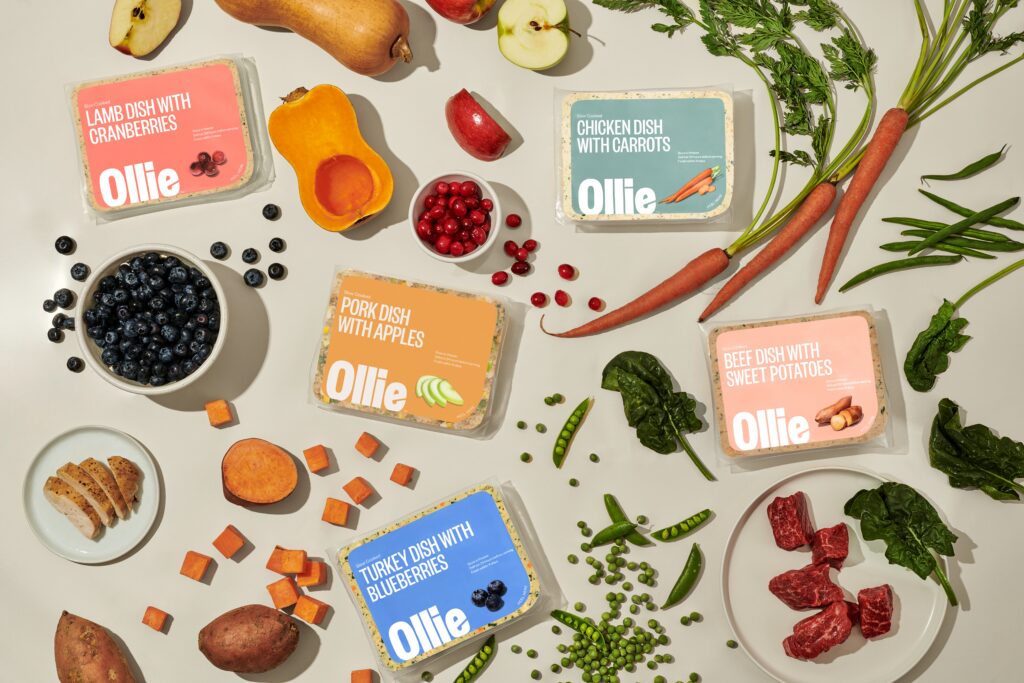
The Ollie blog is devoted to helping pet parents lead healthier lives with their pups. If you want to learn more about our fresh, human-grade food, check out ollie.com.
Tagged As:

The nutrition your dog needs,
the food they want.
Written by:



Enjoying our articles? Subscribe our Newsletters and get new articles directly to your inbox
You might also like
31 August 2026
6 MINS READ
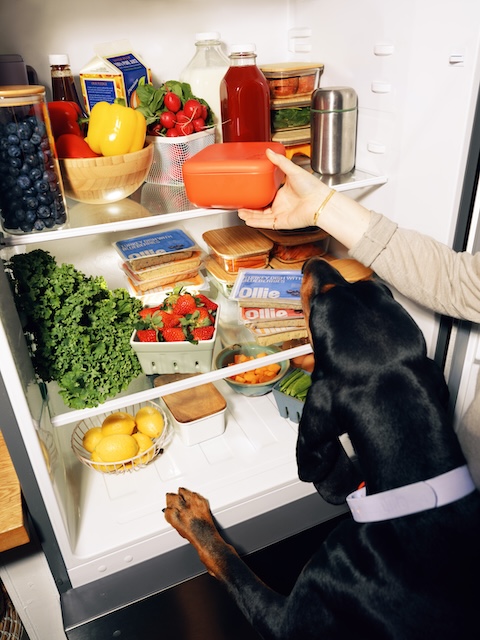
How Long Does Fresh Dog Food Last In The Fridge?
Fresh dog food lasts up to 4 days in the fridge once thawed or opened. Get expert food safety tips on proper storage, freezing, and spotting signs of spoilage from our Food Safety team.
by Christine Miller, Director of Food Safety, Quality, and Regulatory
13 August 2026
6 MINS READ
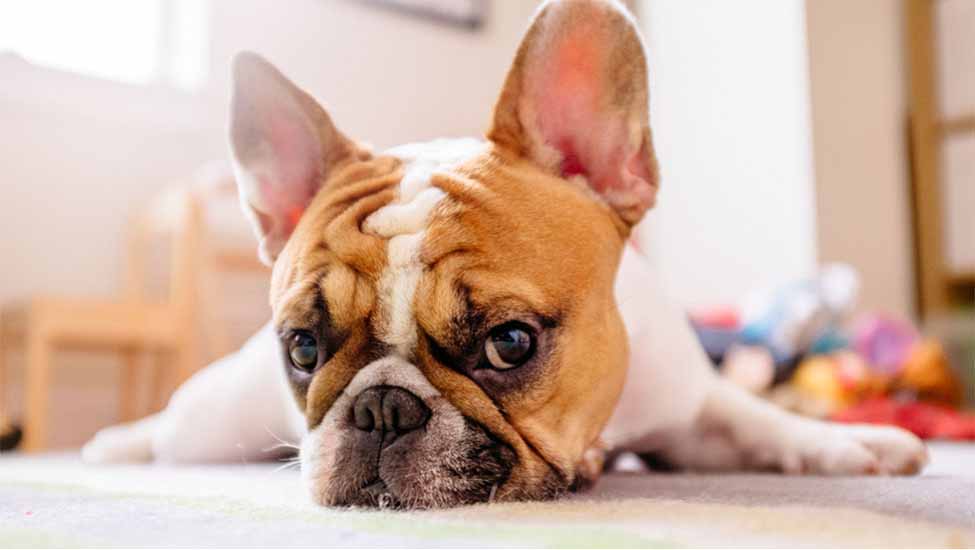
Puppy Gas: 5 Reasons Your Dog Is Gassy & What To Do About It
Dog gas (i.e., flatulence) can be the butt of many jokes, but this stinky sign may indicate that your pooch has serious digestive distress. Understanding the origins of your pup’s odor can help c…
24 June 2026
12 MINS READ
The Ultimate Dog Food Ingredient Guide: How Much Do Ingredients Actually Matter?
Staring at a dog food label shouldn’t feel like reading a chemistry textbook. Learn how to decode the first 5 ingredients, spot marketing red flags, and understand why your pup needs nutrients, not…