[EXCLUSIVE for Ollie Readers!] 70% off + FREE jerky + FREE Puzzle Toy (it’s back!) Try now!


Reviewed by: Catherine Carchedi, MS, DVM; Lindsay Cassibry, MPH, DVM; and Brittany White, PhD.
Key Takeaways
- Manage the front door: skip the doorbell, set up a quiet room for your pup, and make sure their ID tags and microchip are up to date.
- Keep all candy locked away. Chocolate, xylitol (found in sugar-free sweets), and wrappers are all dangerous for dogs.
- Swap candy for dog-safe fall treats like apple slices or plain pumpkin puree.
- Never leave your dog unattended in a costume, and keep chewable decor and lit jack-o’-lanterns out of reach.
- If your dog eats something hazardous or shows lethargy, vomiting, or tremors, call your vet or the ASPCA Animal Poison Control Center at (888) 426-4435.
You probably started planning your dog’s costume back in August. Between the matching outfits, the trial runs to see how long they’ll tolerate a miniature cowboy hat, and the endless photo shoots, your dedication to celebrating with your pup is unmatched. But as fun as spooky season is for us humans, Halloween night can overwhelm our dogs.
Between the steady stream of trick-or-treaters, the flashing decorations, and the sudden influx of chocolate in the house, it’s wild how fast your home can turn into a house of horrors for your pup. Good Halloween dog safety isn’t about skipping the fun; it’s about a few intentional, proactive steps so you both can enjoy the night. Here’s how to keep your pup calm, happy, and safe through all the festivities.
Managing the Front Door: Trick-or-Treaters and the Doorbell
For a dog, the front door is the ultimate mix of excitement and anxiety, and on Halloween that doorbell rings every ten minutes. If your pup startles easily or gets over-excited by visitors, managing the door is the most important step of the night. If the weather cooperates, consider ditching the doorbell altogether: set up a chair outside and hand out candy from the porch, leaving your pup safely inside and away from the constant ringing and the parade of strangers in strange outfits. Not handing out treats this year? Temporarily disable the bell or post a sign asking visitors to knock softly.
Even with the doorbell silenced, the commotion can be a lot. Set up a calm, low-traffic room in a back bedroom or office, stocked with their favorite toys, a comfy bed, and some soft music or white noise to cover the neighborhood sounds.
Proper ID is non-negotiable, too. With the front door opening and closing all night, a spooked dog can slip out in seconds, so double-check that your pup is microchipped and wearing a collar with an up-to-date tag. If you’re taking them around the neighborhood with you, swap their everyday collar for a reflective or light-up one so drivers and neighbors can spot them in the dark.
Candy on Lockdown: The Sweets That Spell Trouble
That peanut butter cup smells just as good to your pup as it does to you, and dogs have zero concept of moderation. On Halloween, it’s worth treating your candy bowl like a high-security vault, because several of the most common treats in it are dangerous for dogs.
Chocolate is the well-known hazard, containing theobromine, which dogs can’t metabolize effectively. But it isn’t the only threat in the trick-or-treat bag. Xylitol, an artificial sweetener frequently found in sugar-free candies and gum, is highly toxic to dogs and can cause a rapid, life-threatening drop in blood sugar. Even the wrappers are a risk, since ingested plastic and foil can lead to serious intestinal blockages.
Keep your entire candy stash completely out of paw’s reach, preferably in a closed cabinet rather than pushed to the back of the counter. If you have little ones in the house, take the time to teach them about the dangers of feeding candy to dogs.
Picking Your Treats Wisely
Instead of letting your pup scrounge for dropped candy, give them a fall treat of their own. A few apple slices (core and seeds removed) with a little xylitol-free peanut butter, or a spoonful of plain pumpkin puree (100% pumpkin, never pie filling), both make festive, dog-safe snacks with real fiber and nutrients and none of the sugar rush.
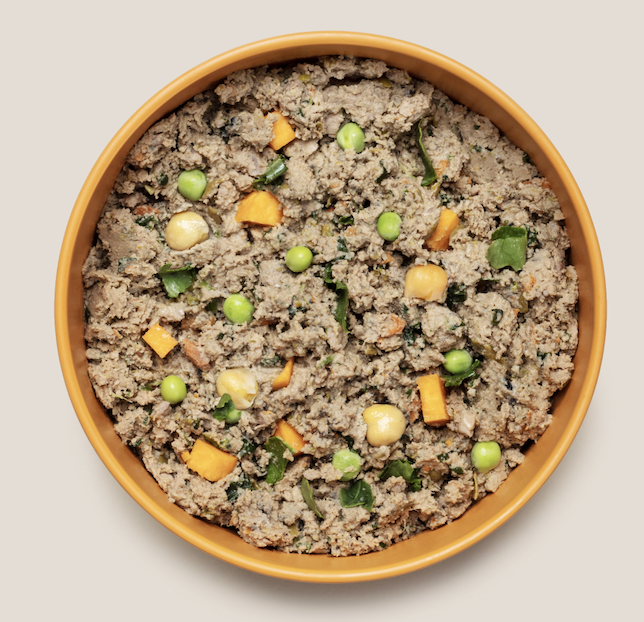
That same whole-food thinking is what guides how we feed dogs every day at Ollie. Our fresh recipes are made with real, human-grade ingredients your pup can digest and absorb, so the good stuff goes to work instead of getting lost in heavy processing and additives.
Dressed to Thrill: Keeping Costumes Comfortable
We fully support dressing your dog up for the holiday, but costumes can be tricky for your pup. The primary rule of dress-up is simple: never leave them unattended in one. Without supervision, they could overheat, snag the costume on furniture, or ingest a piece of their Halloween couture, turning a fun photo op into a medical emergency.
When picking a costume, avoid anything with dangling pieces, tight elastics, or components that block their vision or hearing. Give them plenty of breaks from playing dress-up, and watch their body language closely. If your dog freezes in place or shows any sign of discomfort or stress, take the costume off right away. The goal is a happy, comfortable pup, not one quietly plotting to chew off their own pirate hat.
Spooky Decor: Avoiding Dangers in Disguise
Decorating for the season is half the fun, but a lot of Halloween decor looks an awful lot like dog toys minus the pup-proof design. Plastic bones, rubber bats, and synthetic spiders are all tempting to a chewer, so supervise your pup around anything they could shred or choke on, and keep lit jack-o’-lanterns and taped-down cords well out of tail-wagging, chew-toy range. Decorating their own space with actual Halloween dog toys is an easy way to give them safe enrichment while everything else stays off-limits.
Outside the house, the neighborhood can be overwhelming in its own way. Flashing lights, talking props, and life-sized inflatables can spook a dog who doesn’t know it’s all in good fun, so if elaborate yard displays are big where you live, plan your walk routes to steer clear this time of year.
When to Call the Vet: Warning Signs You Shouldn’t Ignore
Even with meticulous planning, accidents happen in the blink of an eye. A dropped piece of candy or a chewed-up decoration can need immediate attention, and knowing which signs point to a true emergency will save you precious time.
If your dog eats chocolate, sugar-free candy containing xylitol, or a non-food item, don’t wait for symptoms before acting. Common signs of toxicity or obstruction include sudden lethargy, heavy panting, pacing, vomiting, diarrhea, or muscle tremors.
If you notice any of these, or you know your dog got into something hazardous, call your veterinarian right away. It’s also worth saving the ASPCA Animal Poison Control Center number, (888) 426-4435, in your phone. Quick, decisive action is always the best way to protect your dog’s health.
Setting Your Pup Up for a Happy Halloween
However you spend the evening, a little preparation is what keeps the holiday a celebration instead of a stressor. Manage the front door, secure the candy, and prioritize your pup’s comfort, and the spooky season stays fun for everyone in the house. Do that, and you’ve given your dog exactly what they deserve on Halloween: nothing but the absolute best.
The Ollie blog is devoted to helping pet parents lead healthier lives with their pups. If you want to learn more about our fresh, human-grade food, check out ollie.com. Elizabeth Wieck and Marissa Taffer contributed to this article, and it was reviewed by our in-house team of veterinarians and scientists, Catherine Carchedi, MS, DVM; Lindsay Cassibry, MPH, DVM; and Brittany White, PhD.
Disclaimer: This article and the Ollie blog is for informational purposes only and is not a substitute for professional veterinary advice, diagnosis, or treatment. If your dog is showing signs of illness and/or injury, always consult your veterinarian promptly. Every dog is different, and any dietary change should be discussed with your veterinarian. Ollie is not a prescription or therapeutic diet and is not intended to prevent, treat, or manage any medical condition. Always work with your vet to determine the best care plan for your individual pup, especially if they’ve been diagnosed with a health condition.
Tagged As:
The nutrition your dog needs,
the food they want.
Written by:
Elizabeth Wieck is a New York City–based writer and consultant with more than a decade of experience. She loves telling stories that connect with readers—especially when they involve pets.


Enjoying our articles? Subscribe our Newsletters and get new articles directly to your inbox
You might also like
2 February 2026
5 MINS READ
Bonding with Dogs: How to Interpret Common Behaviors and Deepen Your Relationship
Strengthen the bond with your dog by learning to interpret their unique behaviors, such as “rough love” and mouthing, as positive attempts to connect. By utilizing training as a cooperative languag…
2 February 2026
6 MINS READ
Ways You Can Tell Your Pup Totally Loves You (And the Science of Bonding)
Ever wonder why your dog stares into your eyes or catches your yawns? Explore the science behind the human-canine bond, from oxytocin feedback loops to the “left eyebrow raise,” and learn how every…
23 September 2025
6 MINS READ
Back to School: Training Your Dog at Any Age
As we hit back-to-school season rolls around, it’s not just kids who benefit from sharpening their skills and learning something new—our dogs can, too! Training isn’t limited to puppies or p…
by Ollie Pets