[EXCLUSIVE for Ollie Readers!] 70% off + FREE Poop Bags For Life (for the first time ever!) Try now!
23 June 2018
8 MINS READ
Pancreatitis in Dogs: Symptoms, Causes & Treatment
Pancreatitis in dogs is a serious but manageable condition. Learn how to recognize the warning signs, understand the common causes of pancreatic inflammation, and discover how the right low-fat diet can support your pup’s recovery and long-term health.
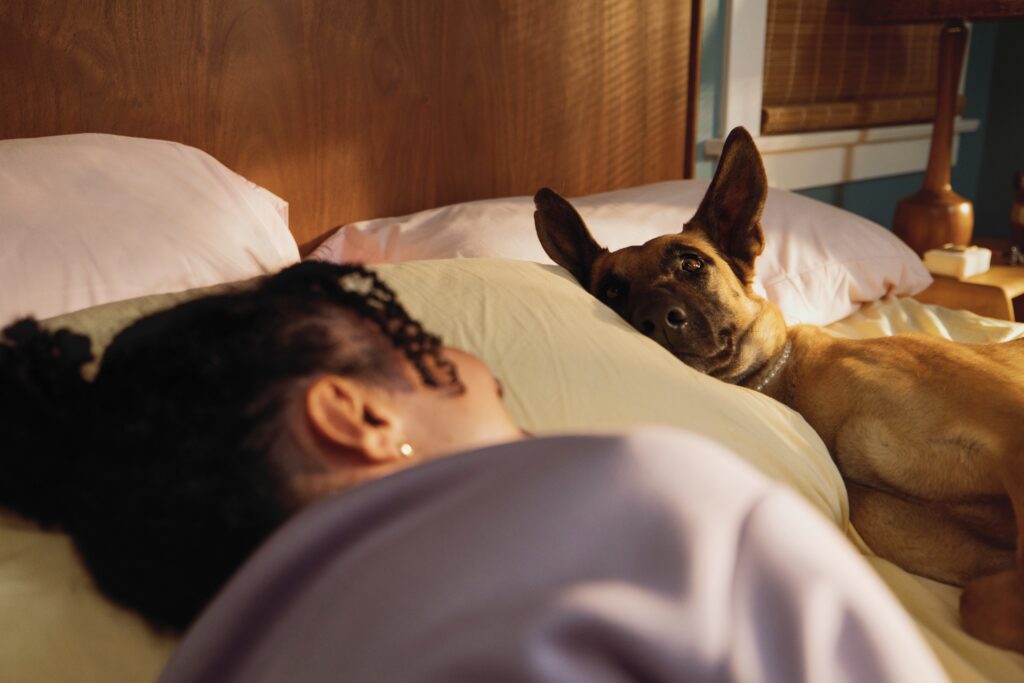

Pancreatitis in dogs is a serious condition that happens when the pancreas becomes inflamed. This small but essential organ helps your dog digest food and regulate blood sugar. When it stops working properly, it can cause pain, vomiting, and loss of appetite, often without warning.
Pancreatitis can be mild or life-threatening, depending on how early it’s caught and how severe the inflammation is. Some dogs recover quickly with the right care, while others may have recurring episodes that require long-term management.
In this guide, we’ll break down everything you need to know: what causes pancreatitis in dogs, how to spot the symptoms, how vets treat it, and how fresh food can support your dog’s recovery and overall health. Understanding this condition can help you act fast and make smart decisions to keep your pup feeling their best.
What Is Pancreatitis in Dogs?
The pancreas is a gland located near your dog’s stomach. It has two main jobs:
- Producing enzymes that break down food during digestion
- Making insulin to help control blood sugar
Pancreatitis happens when the pancreas becomes inflamed and starts releasing digestive enzymes too early—before they reach the intestines. These enzymes begin breaking down the pancreas itself, causing pain and internal damage. In severe cases, the inflammation can spread to other organs, which makes pancreatitis even more dangerous.
There are two main types of pancreatitis in dogs:
- Acute pancreatitis comes on suddenly and usually causes more noticeable symptoms. Dogs with acute pancreatitis often need immediate veterinary care.
- Chronic pancreatitis is long-term inflammation that can flare up repeatedly. It may cause subtle signs that come and go, making it harder to diagnose right away.
Both forms are serious and require medical attention. While some causes are clear, like a fatty meal or certain medications, many cases happen without a known trigger. That’s why prevention and diet play such a big role in keeping the pancreas healthy. Feeding your dog a fresh, balanced diet like Ollie Fresh Dog Food helps limit excess fat and processed ingredients that may contribute to inflammation.
Dog Pancreatitis Symptoms
Pancreatitis symptoms in dogs can show up suddenly or build slowly over time. Some signs are easy to miss at first, while others can appear severe right away. Knowing what to watch for can help you act quickly, and that can make all the difference in recovery.
Common symptoms of pancreatitis in dogs include:
- Vomiting (with or without food)
- Loss of appetite
- Abdominal pain (your dog may hunch over, pace, or seem uncomfortable when touched)
- Diarrhea (sometimes with mucus or blood)
- Lethargy or weakness
- Fever
- Dehydration (sunken eyes, dry gums, or reduced skin elasticity)
- Distended abdomen or bloating
- Heavy breathing or panting
Dogs with pancreatitis often seem “off” they may hide, avoid food, or appear restless. The abdominal pain can make them unwilling to lie down or walk normally.
If your dog shows any of these signs, especially vomiting combined with belly pain or refusal to eat, contact your vet right away. The sooner treatment starts, the better the chance of a full recovery.
What Causes Pancreatitis in Dogs?
There’s no single cause of pancreatitis in dogs. In many cases, it’s a combination of factors that put stress on the pancreas. Some triggers are preventable, especially those related to diet.
Known and suspected causes of pancreatitis in dogs include:
- High-fat meals: A fatty meal or table scraps (especially around the holidays) are one of the most common triggers. Even one greasy meal can lead to a flare-up.
- Sudden diet changes: Switching foods too quickly can shock the digestive system.
- Obesity: Overweight dogs are at higher risk due to added strain on their pancreas.
- Underlying health conditions: Diabetes, hypothyroidism, or high blood fat levels can increase the risk.
- Certain medications: Some antibiotics, steroids, and seizure meds may contribute to pancreatic inflammation.
- Genetic predisposition: Some breeds (like Miniature Schnauzers and Yorkshire Terriers) are more prone to developing pancreatitis.
- Idiopathic cases: In many dogs, the exact cause is never found.

How Vets Diagnose Pancreatitis
Diagnosing pancreatitis in dogs isn’t always straightforward. The symptoms can look like other digestive issues, so vets use a mix of physical exams, lab tests, and imaging to confirm what’s going on.
What your vet may do:
- Physical exam – Your vet will gently press on your dog’s abdomen to check for signs of pain or bloating. If your dog reacts or seems uncomfortable, that’s a red flag.
- Blood tests – These can show elevated levels of pancreatic enzymes like lipase or amylase, though these aren’t always reliable on their own. A more specific test, called cPLI (canine pancreatic lipase immunoreactivity), is often used to detect inflammation directly tied to the pancreas. It’s worth noting that blood tests alone can sometimes produce false positives, meaning a dog may test positive without a confirmed pancreatitis diagnosis. For this reason, your vet will typically combine blood work with other diagnostic tools for a more accurate picture.
- Ultrasound – Abdominal ultrasound is considered the gold standard for confirming a pancreatitis diagnosis. It allows your vet to directly visualize the pancreas, identify swelling or structural changes, and rule out other conditions. In some cases, an X-ray may also be used to look for signs of intestinal blockage or other abdominal issues. For the most reliable diagnosis, your vet will often use ultrasound alongside blood work rather than relying on either test alone.
- Urinalysis or fecal tests – These may be run to check for dehydration, infection, or other underlying problems that could complicate pancreatitis.
Diagnosing pancreatitis often means ruling out other causes of vomiting or belly pain. Even if the tests aren’t 100% conclusive, your vet may start treatment based on clinical signs and test results combined.
Treatment for Pancreatitis in Dogs
Treating pancreatitis focuses on reducing inflammation, relieving symptoms, and supporting your dog’s recovery until the pancreas can function normally again. There’s no specific drug to “cure” pancreatitis, so treatment is mainly supportive.
Most common treatments include:
- IV fluids – To prevent or reverse dehydration and support organ function
- Pain relief – Medications to reduce abdominal pain and help your dog rest
- Anti-nausea medication – Helps control vomiting and make your dog more comfortable
- Antibiotics – May be used if infection is suspected, though not always necessary
- Fasting – In some cases, dogs may be held off food for 12–24 hours to rest the pancreas
Once symptoms are under control, your vet will gradually reintroduce food. This usually starts with bland, easily digestible meals that are low in fat. Some dogs need to stay on a low-fat, clean diet for life to prevent future flare-ups, so establishing good food habits during recovery is essential.
Long-Term Management and Prevention
Once a dog has had pancreatitis, the risk of another episode goes up. That’s why prevention and long-term management are just as important as treatment.
The most effective way to manage pancreatitis is by making smart choices around your dog’s lifestyle and diet. Here’s what that looks like:
- Feed a low-fat diet – This is the #1 recommendation. High-fat meals are a major trigger. Stick to low-fat, high-quality food that doesn’t contain greasy fillers or heavy oils.
- Avoid table scraps – Even small amounts of fatty human food (like bacon, gravy, or cheese) can cause a flare-up, especially in dogs that have had pancreatitis before.
- Maintain a healthy weight – Overweight dogs are more likely to develop inflammation in the pancreas. Portion control and regular activity are key.
- Keep treats simple – Stick with low-fat, single-ingredient treats, and avoid processed snacks that are high in fat or artificial additives.
- Introduce food changes gradually – Sudden changes in diet can upset your dog’s digestive system. Transition slowly to avoid stress on the pancreas.
Breeds Prone to Pancreatitis
Some dogs are more likely to develop pancreatitis due to genetics or breed-specific metabolism. Knowing your dog’s risk can help you stay ahead of symptoms and make better food decisions from the start.
Breeds with higher risk of pancreatitis include:
- Miniature Schnauzers
- Yorkshire Terriers
- Cocker Spaniels
- Dachshunds
- Poodles
- Bichon Frises
These breeds may not tolerate fatty foods as well as others. If you have one of these pups, talk to your vet about early prevention, and be extra careful with diet—especially avoiding high-fat meals, rich treats, or leftovers.
Final Thoughts on Pancreatitis in Dogs
Pancreatitis in dogs can be scary, but it’s manageable, especially with the right care, quick action, and long-term support. Recognizing the signs early and working closely with your vet can help your dog bounce back and avoid future flare-ups. Diet plays a major role in both recovery and prevention. Avoiding high-fat foods, maintaining a healthy weight, and feeding simple, nutrient-rich meals is key.
Frequently Asked Questions
Can dogs recover from pancreatitis?
Yes, many dogs recover fully from pancreatitis, especially if it’s caught early and treated quickly. Mild cases may clear up in a few days with supportive care. Severe or repeated episodes may need long-term dietary changes and follow-up monitoring.
Is pancreatitis in dogs fatal?
It can be, especially in severe or untreated cases. Pancreatitis can lead to complications like organ failure or systemic infection. Prompt veterinary care and proper management greatly improve the chances of recovery.
Can a dog with pancreatitis eat regular food?
Not usually. Dogs recovering from pancreatitis need a low-fat, highly digestible diet.
How do I know if my dog has pancreatitis?
Common signs include vomiting, loss of appetite, belly pain, and lethargy. If your dog suddenly seems sick or uncomfortable, especially after eating a fatty meal, it’s best to call your vet right away.
Can pancreatitis in dogs come back?
Yes. Once a dog has had pancreatitis, they’re more likely to get it again. That’s why long-term prevention, especially a consistent, low-fat diet, is so important.
The Ollie blog is devoted to helping pet parents lead healthier lives with their pups. If you want to learn more about our fresh, human-grade food, check out ollie.com. Marissa Taffer also contributed to this article.
Disclaimer: This article and the Ollie blog is for informational purposes only and is not a substitute for professional veterinary advice, diagnosis, or treatment. If your dog is showing signs of illness and/or injury, always consult your veterinarian promptly. Every dog is different, and any dietary change should be discussed with your veterinarian. Ollie is not a prescription or therapeutic diet and is not intended to prevent, treat, or manage any medical condition. Always work with your vet to determine the best care plan for your individual pup, especially if they’ve been diagnosed with a health condition.
Tagged As:

The nutrition your dog needs,
the food they want.
Written by:
Dr. Catherine brings over ten years of experience in the veterinary field, with a strong background in clinical care and research. With advanced degrees in veterinary medicine and public health, Dr. Catherine combines academic expertise and hands-on care to support dogs at every stage of life.


Enjoying our articles? Subscribe our Newsletters and get new articles directly to your inbox
You might also like
27 September 2026
5 MINS READ
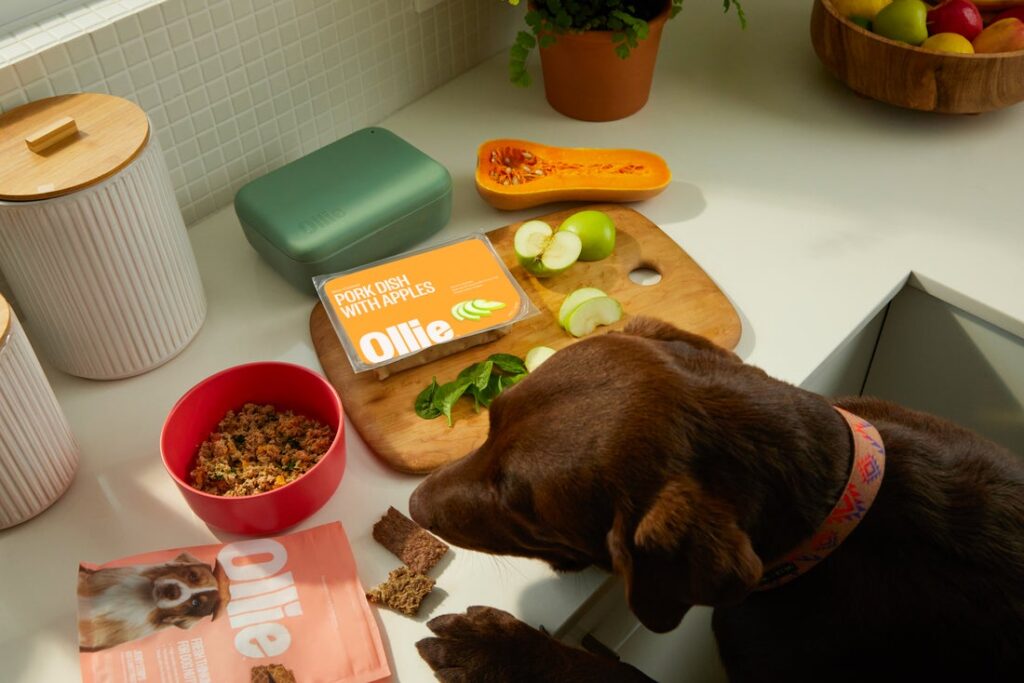
Is Fresh Dog Food Cooked or Raw?
Wondering if fresh dog food means raw meat or something cooked? Learn what “gently cooked” really means and how to safely navigate fresh feeding for your dog.
26 September 2026
9 MINS READ
How Ollie’s Fresh Food Meets (and Exceeds) WSAVA Guidelines on Selecting Pet Foods
Discover how Ollie’s fresh dog food recipes go above and beyond WSAVA standards to deliver complete, balanced, and evidence-based nutrition.
by Christine Miller, Director of Food Safety, Quality, and Regulatory
31 August 2026
6 MINS READ
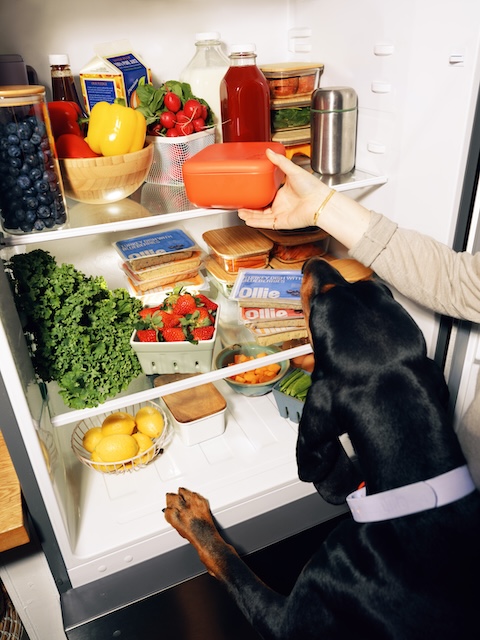
How Long Does Fresh Dog Food Last In The Fridge?
Fresh dog food lasts up to 4 days in the fridge once thawed or opened. Get expert food safety tips on proper storage, freezing, and spotting signs of spoilage from our Food Safety team.
by Christine Miller, Director of Food Safety, Quality, and Regulatory