[EXCLUSIVE] Ollie Blog readers! 70% OFF your First Box + FREE Ollie Hat (for You!) AND Bandana (for Pup!) Try now!
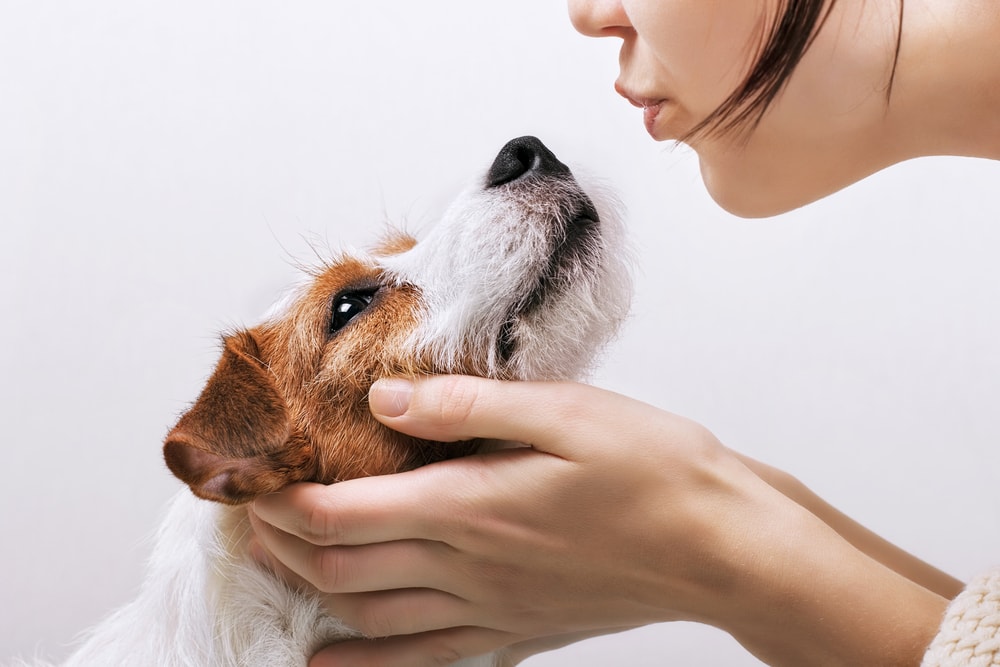

Glucosamine for dogs is most often used to treat canine arthritis. Just like humans, dogs can suffer from arthritis as they get older. It may be caused by disease, trauma, or general wear and tear. Arthritis is a painful condition, but glucosamine for dogs may help ease the pain. Glucosamine has also been used to treat a number of other canine health issues, including hip dysplasia and joint problems.
What Is Glucosamine for Dogs?
Glucosamine is a naturally occurring compound that is frequently used to treat and reduce arthritis in dogs, horses, cats, and other animals. Glucosamine is also used to treat hip dysplasia, aid in the treatment of spinal disk injury, and reduce pain following joint surgery.
Glucosamine for Hip Dysplasia in Dogs
Hip dysplasia is a condition that can be extremely painful for your dog. It occurs when the hip joint is malformed, which causes a grinding and rubbing sensation. Glucosamine, either as an over-the-counter supplement or via food ingredients such as bone broth and cartilage, may help strengthen and rebuild your dog’s cartilage. Feeding your pup glucosamine from an early age (especially dysplasia-susceptible breeds such as Labradors and German shepherds) may reduce the chances of hip dysplasia as they age.
Glucosamine for Arthritis or Joint Pain in Dogs
Osteoarthritis in dogs is a degenerative joint disease, and it’s one that nearly 24% of dogs will experience. Glucosamine is an amino sugar that has been proven to increase the synthesis of glycosaminoglycans, a naturally occurring building block of cartilage in canines. Incorporating glucosamine into a dog’s diet may help protect their cartilage, thereby staving off arthritis.
Does Glucosamine Have Side Effects for Dogs?
Glucosamine is largely safe, but side effects do exist. It’s very important to consult a vet beforehand to discuss if glucosamine is an appropriate option for your dog; this will ensure the safety of your pet.
If you do increase your dog’s dosage of glucosamine, be on the lookout for the following potential side effects:
- Fatigue or lethargy
- Insomnia
- Increased chance of diabetes
- Increased thirst
How Do I Give My Dog Glucosamine?
Usually, glucosamine comes in the form of flavored tablets and pills, powders, or liquids, and it’s often prescribed over-the-counter. Some dog foods also contain glucosamine, designed for dogs with poor bone and joint health. But again, it is essential to check in with your vet before giving your dog any supplements, and to follow your vet’s dosage recommendations.
The Ollie blog is devoted to helping pet parents lead healthier lives with their pups. If you want to learn more about our fresh, human-grade food, check out ollie.com.
Tagged As:

The nutrition your dog needs,
the food they want.
Written by:





Enjoying our articles? Subscribe our Newsletters and get new articles directly to your inbox
You might also like
31 August 2026
6 MINS READ
How Long Does Fresh Dog Food Last In The Fridge?
Fresh dog food lasts up to 4 days in the fridge once thawed or opened. Get expert food safety tips on proper storage, freezing, and spotting signs of spoilage from our Food Safety team.
by Christine Miller, Director of Food Safety, Quality, and Regulatory

13 August 2026
6 MINS READ
Puppy Gas: 5 Reasons Your Dog Is Gassy & What To Do About It
Dog gas (i.e., flatulence) can be the butt of many jokes, but this stinky sign may indicate that your pooch has serious digestive distress. Understanding the origins of your pup’s odor can help c…

24 June 2026
12 MINS READ
The Ultimate Dog Food Ingredient Guide: How Much Do Ingredients Actually Matter?
Staring at a dog food label shouldn’t feel like reading a chemistry textbook. Learn how to decode the first 5 ingredients, spot marketing red flags, and understand why your pup needs nutrients, not…