[EXCLUSIVE] Ollie Blog readers! 70% OFF your First Box + FREE Ollie Hat (for You!) AND Bandana (for Pup!) Try now!
13 June 2017
3 MINS READ
6 Common Myths About Microchipping Your Pup
You have a custom collar for your pup and you watch him on a pet cam all day long, so obviously you’re going to do everything humanly possible to prevent them from getting lost! Whether you already made the decision to get a microchip or you’re contemplating doing it, we’re clearing up a few of […]


You have a custom collar for your pup and you watch him on a pet cam all day long, so obviously you’re going to do everything humanly possible to prevent them from getting lost! Whether you already made the decision to get a microchip or you’re contemplating doing it, we’re clearing up a few of the common misconceptions about the tracking device:
The microchipping myth: If my dog always wears his collar, he doesn’t need one.
The reality It’s best to do both. Tags may become worn and impossible to read or they may slip off—and collars can break, says Kelly Goss, a spokeswoman for Merck Animal Health. “A microchip is the only form of pet identification that is permanent, with a unique number that cannot be altered or removed,” she explains. But a collar is still the fastest and easiest way to get your pup back to you. There’s no such thing as too much ID when your dog is missing!
The microchipping myth: It hurts!
The reality Your pup doesn’t need surgery or anesthesia to get microchipped. In fact, the entire procedure is very similar to a routine shot, and it only takes a few seconds. The microchip is made out of an inert, biocompatible substance, which means it won’t cause an allergic reaction or degenerate over time—veterinarians have been implanting microchips in animals for years, Goss says. It’s a safe and permanent method of identification for pets.
The microchipping myth: Someone could access my info through it and steal my pup.
The reality Microchips, which are the size of a grain of rice under your dog’s skin, are secured in a number of different ways to protect the privacy of those who register their pets, Goss says. When a vet or shelter scans the chip, it only accesses a number, which leads them to the microchip company, which then tells them your contact info. Also, a microchip isn’t a tracking device or a GPS: When a scanner is passed over the implant, it transmits the ID number which links to your contact info. The microchip company keeps it in a secure database.
The microchipping myth: Once it’s in, the information on the microchip can’t be changed.
The reality The first thing you need to do is register your microchip (you’ll enter your name, address, phone, email, vet and alternative contact numbers.) You can always update it, though—if you move, be sure to contact the microchip company to update your information (it’s done through the computer system and your dog doesn’t get touched again). You should also provide secondary contact information, like a relative or close friend in case you aren’t available, Goss says.
The microchipping myth: It’s an expensive procedure.
The reality It varies from company to company, but generally the procedure costs between $25-$50. Sometimes, the cost of adopting or purchasing your pup will even include microchipping.
The microchipping myth: It doesn’t really improve the chances of finding lost dogs.
The reality 73 percent of stray microchipped dogs and cats were found, according to a study published in the Journal of the American Veterinary Medical Association. And another study found the microchipped dogs were returned to their owners 2.4 times more often than those who didn’t have the chip.
The Ollie blog is devoted to helping pet parents lead healthier lives with their pups. If you want to learn more about our fresh, human-grade food, check out ollie.com.
Tagged As:

The nutrition your dog needs,
the food they want.
Written by:



Enjoying our articles? Subscribe our Newsletters and get new articles directly to your inbox
You might also like
31 August 2026
6 MINS READ
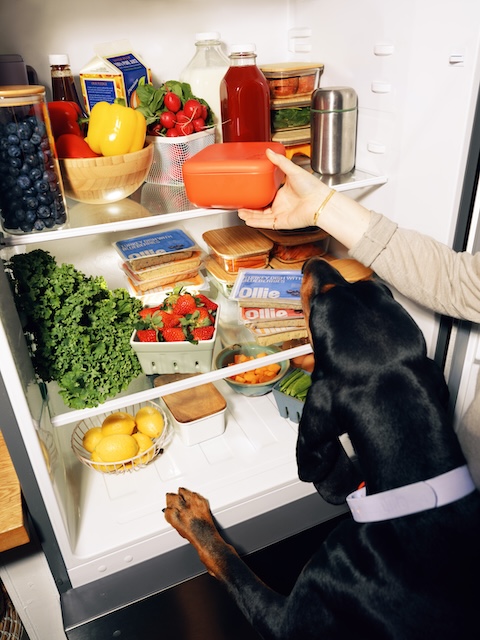
How Long Does Fresh Dog Food Last In The Fridge?
Fresh dog food lasts up to 4 days in the fridge once thawed or opened. Get expert food safety tips on proper storage, freezing, and spotting signs of spoilage from our Food Safety team.
by Christine Miller, Director of Food Safety, Quality, and Regulatory

13 August 2026
6 MINS READ
Puppy Gas: 5 Reasons Your Dog Is Gassy & What To Do About It
Dog gas (i.e., flatulence) can be the butt of many jokes, but this stinky sign may indicate that your pooch has serious digestive distress. Understanding the origins of your pup’s odor can help c…

24 June 2026
12 MINS READ
The Ultimate Dog Food Ingredient Guide: How Much Do Ingredients Actually Matter?
Staring at a dog food label shouldn’t feel like reading a chemistry textbook. Learn how to decode the first 5 ingredients, spot marketing red flags, and understand why your pup needs nutrients, not…