[EXCLUSIVE] Ollie Blog readers! 70% OFF your First Box + FREE Ollie Hat (for You!) AND Bandana (for Pup!) Try now!
18 February 2025
5 MINS READ
Why Is My Dog Throwing Up Blood? Causes, Symptoms, & Treatment
Seeing your dog throwing up blood can be frightening, but understanding the possible causes and knowing when to seek help is crucial. While minor issues like stomach irritation can sometimes cause blood in vomit, it may also signal serious conditions such as internal bleeding, infections, or organ disease. If you’re wondering, “Why is my dog throwing up blood?”, this article will answer your questions.


If your dog is puking blood, it’s crucial to remain calm while recognizing the seriousness of the situation. This alarming sight, known as hematemesis, is more common than you might think and often indicates an injury to the upper digestive tract. Here’s what you need to know to keep your dog safe and help them feel better soon.
Why is My Dog Vomiting Blood
When a dog throws up blood, it’s a sign of bleeding somewhere along the digestive tract. As James M. Griffin, MD, and Liisa D. Carlson, DVM, explain in “Dog Owner’s Home Veterinary Handbook,” “Red blood in the vomitus indicates an active bleeding point somewhere between the mouth and the upper small bowel.”
The appearance of the blood can provide clues about its origin:
- Bright red blood: Likely from the mouth or throat
- Dark red blood: Probably from further down the gastrointestinal tract
- Blood mixed with mucus: Suggests an issue in the stomach or upper intestines
- Dark, tarry vomit (resembling coffee grounds): Indicates digested blood
Common Causes of Bloody Vomit in Dogs
If your dog is throwing up blood, it’s important to understand the possible reasons behind this alarming symptom. While some cases may be due to minor irritation in the stomach or esophagus, others could indicate serious health concerns that require urgent veterinary care.
While it’s important not to self-diagnose, being informed about potential causes can help you communicate effectively with your vet. Below are some of the most common causes of bloody vomit in dogs:
1. Ingesting a Foreign Object
Dogs are naturally curious and may swallow toys, bones, sticks, or household items, leading to internal injuries, blockages, or tears in the digestive tract. These can cause bloody vomit and require immediate veterinary attention.
2. Gastrointestinal Irritation or Ulcers
Stomach ulcers or severe inflammation (gastritis) can cause a dog to vomit blood. These may develop due to stress, certain medications (like NSAIDs), or underlying conditions that lead to excessive stomach acid production.
3. Poisoning & Toxin Ingestion
Some toxins, including antifreeze, rat poison, and household chemicals, can cause internal bleeding and bloody vomiting. Even certain human foods, like grapes and chocolate, can lead to toxicity that results in gastrointestinal bleeding.
4. Parvovirus & Other Infections
Parvovirus is a highly contagious and life-threatening virus that primarily affects puppies. One of its hallmark symptoms is bloody vomiting and diarrhea, often accompanied by lethargy and fever. Bacterial infections in the digestive tract can also lead to vomiting blood.
5. Internal Injuries from Sharp Objects
Dogs that chew on sharp bones, sticks, or hard toys may accidentally swallow fragments that can cut or puncture the mouth, throat, stomach, or intestines, leading to bloody vomit.
6. Blood Clotting Disorders
Conditions that prevent proper blood clotting, such as hemophilia or ingestion of anticoagulant rat poison, can cause unexplained bleeding, including in the stomach or digestive tract.
7. Hemorrhagic Gastroenteritis (HGE)
HGE is a condition that causes sudden, severe vomiting and diarrhea with blood. The exact cause isn’t always known, but stress, diet changes, and bacterial infections may contribute.
8. Pancreatitis
Inflammation of the pancreas (pancreatitis) can cause vomiting, stomach pain, and digestive issues, sometimes leading to bloody vomit. This condition is often triggered by high-fat foods or certain medications.
9. Kidney or Liver Disease
Organ dysfunction, particularly in the kidneys or liver, can lead to toxin buildup in the bloodstream, which may cause bloody vomiting and other digestive issues.
10. Addison’s Disease & Other Hormonal Disorders
Addison’s disease is a condition affecting the adrenal glands, leading to vomiting, diarrhea, and sometimes bloody vomit. Other hormonal imbalances can also contribute to gastrointestinal distress.
11. Cancer & Tumors
Tumors in the stomach, intestines, or esophagus can cause internal bleeding, leading to vomiting blood. Older dogs are more at risk, and symptoms may worsen over time.
If your dog is vomiting blood, it’s crucial to seek veterinary care immediately. While some causes may be mild and treatable, others require urgent medical intervention. Early diagnosis and treatment can make a significant difference in your dog’s recovery.
What to Do If Your Dog Is Throwing Up Blood
A dog vomiting blood is considered an emergency. Contact your veterinarian immediately. Here’s what you should do:
- Stay calm to avoid causing your dog further stress.
- Describe your dog’s symptoms clearly, including the appearance of the blood in the vomit.
- If possible, collect a sample of the vomit to bring to the vet.
- Withhold food and water unless instructed otherwise by your vet.
- Keep your dog warm, calm, and comfortable until you can get veterinary care.
Diagnosis and Treatment For A Dog Throwing Up Blood
Your veterinarian will likely perform a physical examination and may run blood tests, urinalysis, or imaging tests like X-rays or ultrasounds to determine the cause of the bleeding.
Treatment will depend on the underlying cause but may include:
- Intravenous fluid therapy
- Medications (e.g., antacids, anti-inflammatories, antibiotics)
- Supportive care
- In some cases, surgery may be necessary
How To Prevent Your Dog From Throwing Up Blood
While not all causes of hematemesis can be prevented, you can reduce risks by:
- Keeping harmful objects and substances out of your dog’s reach
- Maintaining regular veterinary check-ups
- Staying up-to-date on vaccinations and parasite prevention
- Providing a balanced, nutritious diet
Remember, if your dog is throwing up blood, it’s always best to seek professional veterinary help promptly. Quick action can make a significant difference in your dog’s prognosis and recovery.
The Ollie blog is devoted to helping pet parents lead healthier lives with their pups. If you want to learn more about our fresh, human-grade food, check out ollie.com.
Is a Dog Vomiting Blood an Emergency?
Yes, a dog vomiting blood is always considered an emergency. While some cases may be caused by minor irritation, bloody vomit can also indicate serious underlying conditions, such as internal bleeding, poisoning, organ disease, or severe infections. Since it’s difficult to determine the exact cause at home, seeking veterinary care immediately is the safest course of action.
How to Tell If It’s an Emergency
If your dog is throwing up blood, pay close attention to the amount of blood, color, and any additional symptoms. Bright red blood may indicate bleeding in the mouth, throat, or esophagus, while dark, coffee-ground-like vomit suggests digested blood from the stomach or intestines, which is more concerning.
Signs that your dog needs immediate veterinary attention include:
- Large amounts of fresh or dark blood in vomit
- Weakness, lethargy, or collapse
- Pale gums (a sign of blood loss or shock)
- Excessive drooling or gagging
- Rapid or labored breathing
- Signs of pain, bloating, or distress
- Vomiting alongside bloody diarrhea
Every dog is different, and any dietary change should be discussed with your veterinarian. Ollie is not a prescription or therapeutic diet, and Ollie food is not intended to prevent, treat, or manage pancreatitis or any other medical condition. Always work with your vet to determine the best care plan for your individual pup, especially if they’ve been diagnosed with a health condition.
Tagged As:

The nutrition your dog needs,
the food they want.
Written by:
Dr. Catherine brings over ten years of experience in the veterinary field, with a strong background in clinical care and research. With advanced degrees in veterinary medicine and public health, Dr. Catherine combines academic expertise and hands-on care to support dogs at every stage of life.
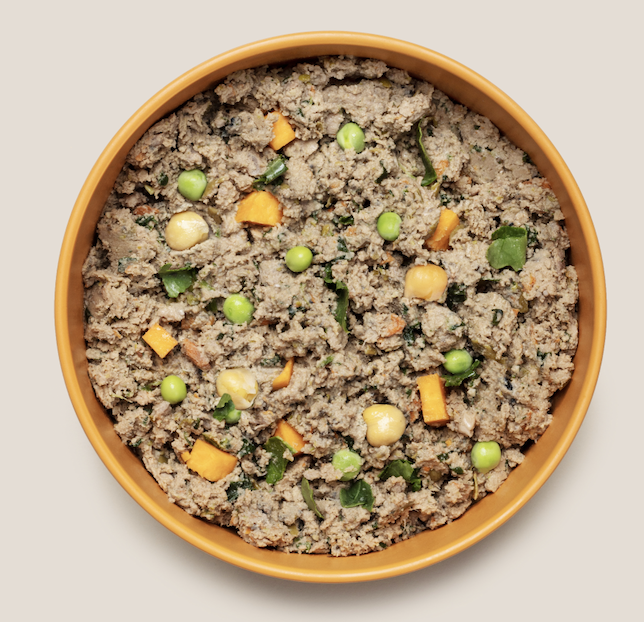




Enjoying our articles? Subscribe our Newsletters and get new articles directly to your inbox
You might also like
31 August 2026
6 MINS READ
How Long Does Fresh Dog Food Last In The Fridge?
Fresh dog food lasts up to 4 days in the fridge once thawed or opened. Get expert food safety tips on proper storage, freezing, and spotting signs of spoilage from our Food Safety team.
by Christine Miller, Director of Food Safety, Quality, and Regulatory

13 August 2026
6 MINS READ
Puppy Gas: 5 Reasons Your Dog Is Gassy & What To Do About It
Dog gas (i.e., flatulence) can be the butt of many jokes, but this stinky sign may indicate that your pooch has serious digestive distress. Understanding the origins of your pup’s odor can help c…

24 June 2026
12 MINS READ
The Ultimate Dog Food Ingredient Guide: How Much Do Ingredients Actually Matter?
Staring at a dog food label shouldn’t feel like reading a chemistry textbook. Learn how to decode the first 5 ingredients, spot marketing red flags, and understand why your pup needs nutrients, not…