[EXCLUSIVE] Ollie Blog readers! 70% OFF your First Box + FREE Ollie Hat (for You!) AND Bandana (for Pup!) Try now!

Reviewed By: Catherine Carchedi, MS, DVM; Lindsay Cassibry, MPH, DVM; and Brittany White, PhD.
Key takeaways
- Itchy skin, hives, GI upset, facial swelling, and chronic ear or paw infections are the most common signs of a dog food allergy.
- Poultry, beef, wheat, soy, corn, rice, and fish are the most frequently reported canine food allergens.
- A veterinarian can confirm a suspected food allergy through bloodwork, diagnostic testing, or an elimination diet trial.
- Reading ingredient labels regularly and communicating your dog’s allergies to daycare and trainers helps prevent accidental exposure.
- Ollie’s fresh recipes use single animal proteins and skip common allergens like corn, soy, and wheat.
Most dogs love to eat, and they’d happily take anything you offer them. Okay, maybe not lettuce or raw green beans, but the list of foods a pup will turn down is usually short.
As a pet parent, it’s your responsibility to keep your dog safe, which includes making sure the food and treats you offer are safe for them to eat. Beyond storing food properly and keeping it fresh, that also means making sure your dog isn’t eating anything they’re allergic to.
You might be wondering how to tell if your dog has food allergies or sensitivities, so we’ve broken down the most common symptoms and allergens to help you spot them and keep your pup healthy. And if you’re looking for a fresh option built with allergies in mind, Ollie’s fresh, human-grade recipes use single animal proteins and skip common fillers like corn, soy, and wheat—so you can worry less and give them just the good stuff.
How to tell if a dog has food allergies
Beyond the rare case of anaphylactic shock, there are subtler signals that your pup has food allergies1. If you’re noticing any of the following, it’s a good idea to check in with your vet:
- Itchy skin
- Hives
- Gastrointestinal issues like gas, vomiting, or diarrhea
- Facial swelling
- Chronic infections in their ears or paws
- Anal gland issues
What are the most common food allergies for dogs?
If you suspect your pup has food allergies, your vet will be able to help you confirm. This could include a combination of bloodwork, diagnostic testing, and dietary change2. The most common food allergens for dogs are:
Poultry and beef
Many pups are allergic to poultry, including chicken or turkey, and beef, which are popular proteins used in many brands of dog food. If your pup can’t eat poultry or beef, you’ll want to choose food and treats made from other sources of protein like lamb or pork.
Wheat/gluten
While wheat isn’t essential to dogs, many pups are allergic to wheat or to gluten, a protein found in grains like wheat, barley, and rye. Pups with a gluten allergy should avoid food and treats with gluten-containing grains.
Soy
Soy is an inexpensive filler often used in dog food and treats. On the positive side, it can be a good source of protein and easy for some pups to digest. For pups with allergies, it should be avoided.
Corn
Corn is also used as a filler in dog food, and it can be a good source of carbohydrates. If your pup isn’t allergic, popcorn can be a fine snack to share.
Rice
For dogs who can’t have wheat or gluten, rice is a good source of grain and carbohydrate. While it’s tolerated by many dogs, it’s still a common allergen and worth considering if your dog is showing symptoms of food allergies.
Fish (including salmon)
Like poultry, fish allergies are also common in dogs. If your pup is allergic to fish, avoid food containing fish as a source of protein, as well as fish skins or treats containing salmon or cod.
How do I help my dog avoid allergies?
If your pup has allergies or food sensitivities, you’ll need to proactively read all food and treat ingredient labels. This may sound like a bit of work, and it is at first, but once you know some safe food and treat options, you won’t have to check as often. Food ingredients can change, so it’s important to check regularly.
If your pup attends training classes, goes to daycare, or spends time anywhere others may offer them treats, it’s important to communicate your dog’s food allergies. You may want to ask that your dog not be fed communal treats, and provide your dog with their own special treats that you know are safe. Make sure your vet also has any allergies noted in your dog’s records.
Similarly, if you’re going to offer another dog a treat, ask their parent about any known allergies first. Although your offer comes from a good place, you don’t want to accidentally make someone else’s dog sick.
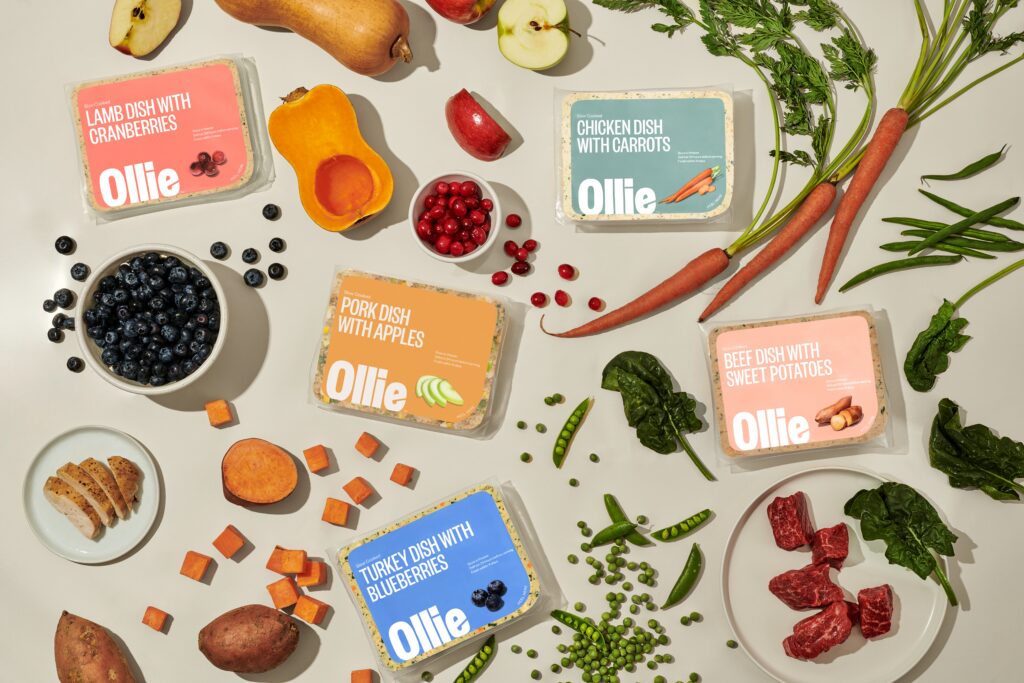
At Ollie, we take food allergies seriously. Our recipes feature single animal proteins, so if your pup has a food allergy, chances are we can still accommodate them. You’re able to let us know of any allergies your pup may have in our food quiz, as well as by keeping your pup’s profile up to date.
Our recipes are formulated with the highest-quality human-grade ingredients, and we never use fillers like corn, soy, or wheat, which are also common dog allergens.
References and further reading
- VCA Animal Hospitals. Food Allergies in Dogs. https://vcahospitals.com/know-your-pet/food-allergies-in-dogs
- VCA Animal Hospitals. Implementing an Elimination-Challenge Diet Trial in Dogs. https://vcahospitals.com/know-your-pet/implementing-an-elimination-challenge-diet-trial-dog
The Ollie blog is devoted to helping pet parents lead healthier lives with their pups. If you want to learn more about our fresh, human-grade food, check out ollie.com. Elizabeth Wieck and Marissa Taffer contributed to this article and it was reviewed by our in-house team of veterinarians and scientists, Catherine Carchedi, MS, DVM; Lindsay Cassibry, MPH, DVM; and Brittany White, PhD.
Disclaimer: This article and the Ollie blog is for informational purposes only and is not a substitute for professional veterinary advice, diagnosis, or treatment. If your dog is showing signs of illness and/or injury, always consult your veterinarian promptly. Every dog is different, and any dietary change should be discussed with your veterinarian. Ollie is not a prescription or therapeutic diet and is not intended to prevent, treat, or manage any medical condition. Always work with your vet to determine the best care plan for your individual pup, especially if they’ve been diagnosed with a health condition.
Tagged As:

The nutrition your dog needs,
the food they want.
Written by:
Lindsay Cassibry, MPH, DVM Dr. Lindsay Cassibry is the Veterinarian at Ollie and brings over 8 years of veterinary experience, combining her expertise in veterinary science, nutrition, and public health to advance pet nutrition and overall animal wellness. She holds a Doctorate in Veterinary Medicine from Louisiana State University, a Master’s in Public Health from St. George’s University, and a Bachelor’s in Nutrition from the University of Alabama. With this strong academic foundation, Dr. Cassibry has specialized in veterinary nutrition, further honed by her experience at DIG Labs, where she led innovative research in pet health solutions. Passionate about the intersection of veterinary care and nutrition, Dr. Cassibry is pursuing a veterinary nutrition residency to deepen her knowledge and broaden her impact in the field. Her career reflects a commitment to improving animal health through cutting-edge research and real-world applications. At Ollie, Dr. Cassibry is dedicated to pushing the boundaries of veterinary nutrition, continually working to enhance the health and well-being of pets everywhere.




Enjoying our articles? Subscribe our Newsletters and get new articles directly to your inbox
You might also like
1 September 2026
6 MINS READ
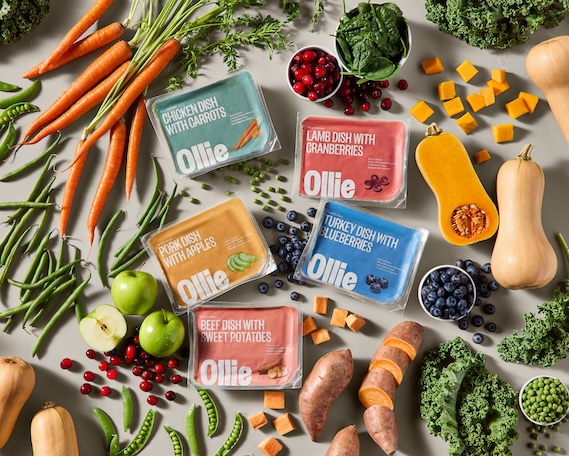
What Ingredients Are In Fresh Dog Food?
Discover the real, whole ingredients inside fresh dog food—from USDA-certified meats to nutrient-rich veggies and fruits—and how they support your dog’s long-term health.
12 August 2026
7 MINS READ
Can Puppies Have Fresh Dog Food?
Yes, puppies can have fresh dog food, and in many cases, they thrive on it. Starting your pup off with fresh, nutrient-rich meals supports their rapid growth, brain development, and long-term heal…
24 June 2026
12 MINS READ
The Ultimate Dog Food Ingredient Guide: How Much Do Ingredients Actually Matter?
Staring at a dog food label shouldn’t feel like reading a chemistry textbook. Learn how to decode the first 5 ingredients, spot marketing red flags, and understand why your pup needs nutrients, not…