[EXCLUSIVE] Ollie Blog readers! 70% OFF your First Box + FREE Ollie Hat (for You!) AND Bandana (for Pup!) Try now!
18 July 2025
7 MINS READ
Can You Mix Fresh Dog Food With Kibble?
Reviewed by: Catherine Carchedi, MS, DVM; Lindsay Cassibry, MPH, DVM; and Brittany White, PhD. If you’re feeding your dog kibble but want to upgrade their bowl, you’re not alone. Many pet parents ask if they can mix fresh dog food with kibble to get some of the benefits of fresh food without giving up their […]
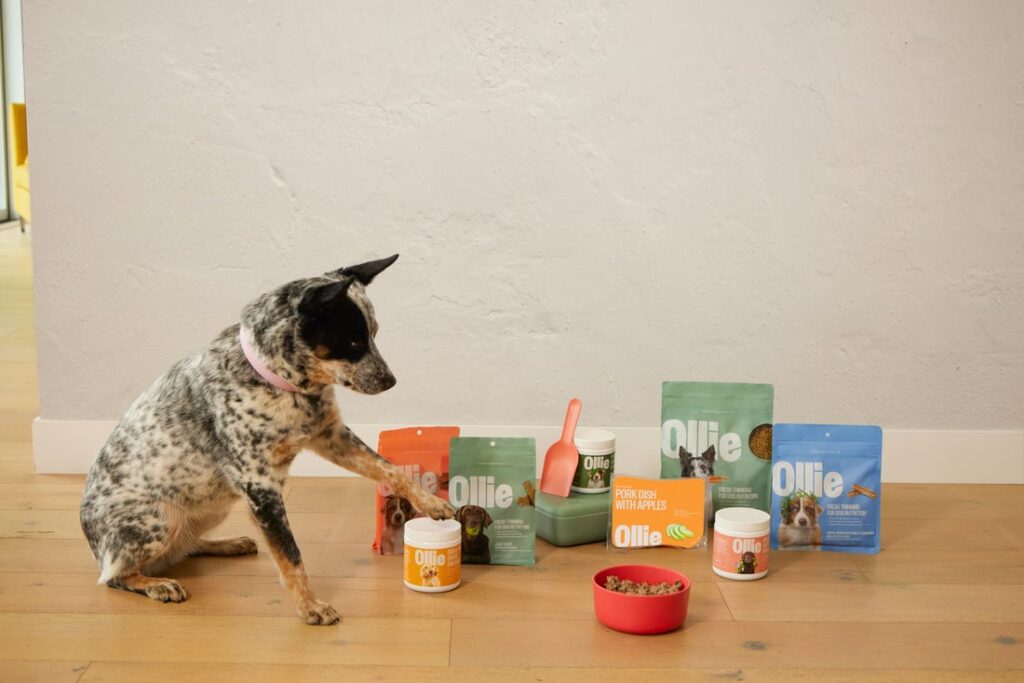

Reviewed by: Catherine Carchedi, MS, DVM; Lindsay Cassibry, MPH, DVM; and Brittany White, PhD.
Key takeaways
- Yes, you can mix fresh dog food with kibble—it’s a common and safe way to boost taste and nutrition.
- Mixing works best with a balanced, real-ingredient fresh food rather than table scraps.
- Fresh food can be used as a topper or as a gradual transition away from kibble.
- Introduce any new food gradually to avoid digestive upset.
If you’re feeding your dog kibble but want to upgrade their bowl, you’re not alone. Many pet parents ask if they can mix fresh dog food with kibble to get some of the benefits of fresh food without giving up their current routine.
The short answer is yes, you can mix fresh dog food with kibble, and it’s actually a common way to boost taste and nutrition while keeping mealtime simple. Whether you’re using fresh as a topper or trying to slowly transition away from dry food, mixing can be a smart first step.
Ollie makes it easy to add fresh food to any routine, whether you’re ready to go 100% fresh or just want to see how your dog likes it first.
Can You Mix Fresh Dog Food With Kibble?
So, is it safe to mix kibble and fresh dog food? Yes, it’s perfectly safe for most dogs and is often recommended by vets for picky eaters or dogs who need a little extra motivation at mealtime.
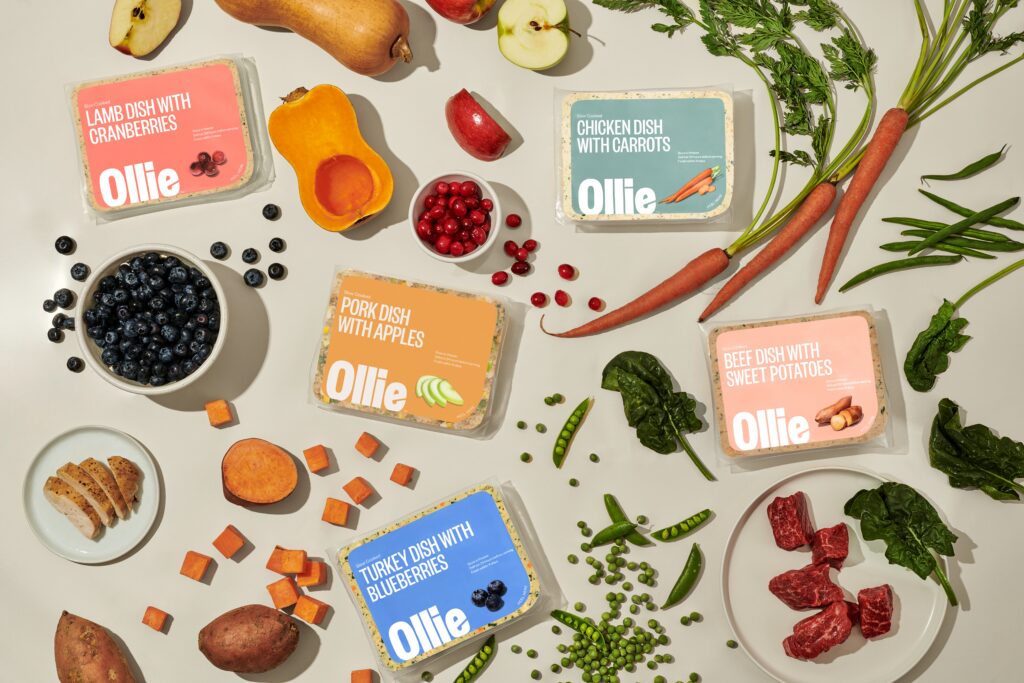
Mixing works best when you choose a fresh food that’s balanced and made with real ingredients, not just table scraps or random leftovers. A good fresh option like Ollie fresh dog food can help upgrade the bowl with real meat, veggies, and healthy fats that your dog’s body can actually use.
And if you’re looking for a better dry food option, Ollie also offers gently baked recipes. Unlike many traditional kibbles, Ollie Baked Dog Food is made with real meat, no artificial flavors, and zero mystery fillers — making it a great pairing for fresh food or a healthier upgrade on its own.
Why Some Pet Parents Mix Kibble and Fresh
Every dog and family is different, so mixing kibble with fresh food can make sense for a few reasons:
- It Saves Money: Feeding part kibble and part fresh can stretch your budget while still giving your dog a boost in food quality.
- Helps Picky Eaters: Many dogs who turn up their nose at plain kibble get excited when fresh food is mixed in.
- Eases the Transition: If you’re moving away from dry food, mixing lets your dog’s stomach adjust slowly.
- Adds Variety: Mixing brings moisture and flavor back to the bowl, which is a big deal if your dog is bored with the same dry crunch every day.
Benefits of Mixing Kibble and Fresh Dog Food
Mixing fresh dog food with kibble can give your dog a mealtime upgrade without a complete diet change. Some of the biggest benefits include:
- Better Taste: Fresh food smells and tastes more appealing than dry kibble alone, which can help picky dogs get excited about their bowl again.
- Added Moisture: Fresh food has higher water content than dry food, which can support healthy digestion and hydration.
- Nutrient Boost: If you’re mixing high-quality fresh food like Ollie with a basic kibble, you’re adding real meat, veggies, and healthy fats that dry food may lack.
- Easier Transition: Mixing fresh and kibble can help your dog’s stomach adjust if you plan to switch fully to fresh later on.
Downsides of Mixing Kibble and Fresh
While mixing can be a helpful step for many dogs, it’s good to know where it can fall short too.
- Different Digestion Speeds: Kibble and fresh food break down differently, which can sometimes cause mild digestive upset for sensitive dogs.
- Risk of Overfeeding: If you mix fresh and kibble without adjusting portions, you might accidentally give your dog too many calories.
- Ingredient Conflicts: If the kibble you’re using has fillers or artificial additives, mixing with fresh may not fix all the problems caused by lower-quality dry food.
Keeping an eye on how your dog reacts and sticking to good portion guidelines can help avoid these issues.
How to Mix Kibble and Fresh Dog Food Safely
Mixing fresh food and kibble is easy, but doing it safely makes a big difference. Here are a few simple tips:
- Watch Portions: Don’t just pile fresh food on top of a full bowl of kibble. Reduce the amount of kibble to balance calories.
- Start Small: Mix in a spoonful or two of fresh food at first to see how your dog’s stomach handles it.
- Monitor Stool Quality: If your dog’s stool becomes too soft, slow down and adjust the ratio gradually.
- Keep Treats Consistent: Avoid adding too many treats or extras while you test out mixing. Too many changes at once can upset your dog’s stomach.
Mixing can be a great way to get your dog used to fresh food or add variety to their daily bowl — just keep an eye on how they respond.
Should You Switch Fully to Fresh?
Mixing kibble and fresh food can be a smart first step, but many pet parents find that once they see the benefits, they end up moving fully to fresh.
Fully switching to fresh means:
- No guessing on how to balance two foods.
- No fillers or low-quality kibble ingredients in the bowl.
- Easier digestion for many dogs, especially if they have food sensitivities.
- Consistent, real nutrition in every bite.
Some families start with fresh food as a topper and then switch fully once they see better energy, a shinier coat, or improved digestion. If your budget or lifestyle allows, fully fresh feeding is often the simplest way to give your dog real, balanced meals every day.
How Ollie Makes Mixing or Switching Easy
Whether you want to mix fresh food with kibble or switch completely, Ollie makes it simple.
You’ve got options:
- Choose a Mixed Subscription: Ollie offers a plan that includes both our gently cooked Fresh recipes and our nutrient-rich Baked meals — giving your dog variety and balanced nutrition in every bowl.
- Mix Ollie Fresh with Your Current Food: If you’re not ready to switch entirely, you can still add Ollie Fresh as a topper to whatever kibble or food your dog currently eats. It’s an easy way to introduce the benefits of fresh food — like better digestion, hydration, and taste — without a full commitment.
Every Ollie plan is customized based on your dog’s breed, age, weight, and activity level, so you know exactly how much to feed, no matter how you choose to serve it.
Our meals are gently cooked, pre-portioned, and easy to store. Many pet parents start by adding Ollie as a topper to dry food, then transition fully when they see the difference in their dog’s health and happiness.
Plus, the Ollie team is always ready to help you adjust portions, switch recipes, or plan your transition step by step.
Frequently Asked Questions
Can I mix fresh dog food with kibble?
Yes, mixing fresh dog food with kibble is safe for most dogs and can be a good first step toward better nutrition.
Is mixing kibble and fresh dog food safe?
It’s generally safe if you portion it properly and watch how your dog’s digestion responds.
Should I feed half kibble, half fresh?
Many pet parents start with a small amount of fresh food added to kibble. Some do half and half, but portion size should match your dog’s calorie needs.
Does mixing fresh and kibble cause stomach problems?
Some dogs with sensitive stomachs need time to adjust. Start small and increase fresh food gradually.
Is it better to switch fully to fresh food?
Many families find fully fresh feeding gives better results for digestion, coat health, and overall nutrition. Ollie makes switching easy.
The Ollie blog is devoted to helping pet parents lead healthier lives with their pups. If you want to learn more about our fresh, human-grade food, check out ollie.com. This article was written by our Ollie Pets team and reviewed by our in-house team of veterinarians and scientists, Catherine Carchedi, MS, DVM; Lindsay Cassibry, MPH, DVM; and Brittany White, PhD.
Disclaimer: This article and the Ollie blog is for informational purposes only and is not a substitute for professional veterinary advice, diagnosis, or treatment. If your dog is showing signs of illness and/or injury, always consult your veterinarian promptly. Every dog is different, and any dietary change should be discussed with your veterinarian. Ollie is not a prescription or therapeutic diet and is not intended to prevent, treat, or manage any medical condition. Always work with your vet to determine the best care plan for your individual pup, especially if they’ve been diagnosed with a health condition.
Tagged As:

The nutrition your dog needs,
the food they want.
Written by:
Ollie is a dog-first company providing fresh, healthy food for dogs of all ages, breeds, and sizes.



Enjoying our articles? Subscribe our Newsletters and get new articles directly to your inbox
You might also like
31 August 2026
6 MINS READ
How Long Does Fresh Dog Food Last In The Fridge?
Fresh dog food lasts up to 4 days in the fridge once thawed or opened. Get expert food safety tips on proper storage, freezing, and spotting signs of spoilage from our Food Safety team.
by Christine Miller, Director of Food Safety, Quality, and Regulatory

13 August 2026
6 MINS READ
Puppy Gas: 5 Reasons Your Dog Is Gassy & What To Do About It
Dog gas (i.e., flatulence) can be the butt of many jokes, but this stinky sign may indicate that your pooch has serious digestive distress. Understanding the origins of your pup’s odor can help c…
24 June 2026
12 MINS READ
The Ultimate Dog Food Ingredient Guide: How Much Do Ingredients Actually Matter?
Staring at a dog food label shouldn’t feel like reading a chemistry textbook. Learn how to decode the first 5 ingredients, spot marketing red flags, and understand why your pup needs nutrients, not…