[EXCLUSIVE for Ollie Readers!] 70% off + FREE jerky + FREE Puzzle Toy (it’s back!) Try now!
15 June 2026
8 MINS READ
Dog Ear Infection Treatment Options & Prevention
Dog ear infections are a common and frustrating issue for many pet parents. If your dog is constantly scratching their ears, shaking their head, or if you notice a strong odor coming from their ears, they may have an infection. Ear infections can be painful and, if left untreated, may lead to more serious health […]
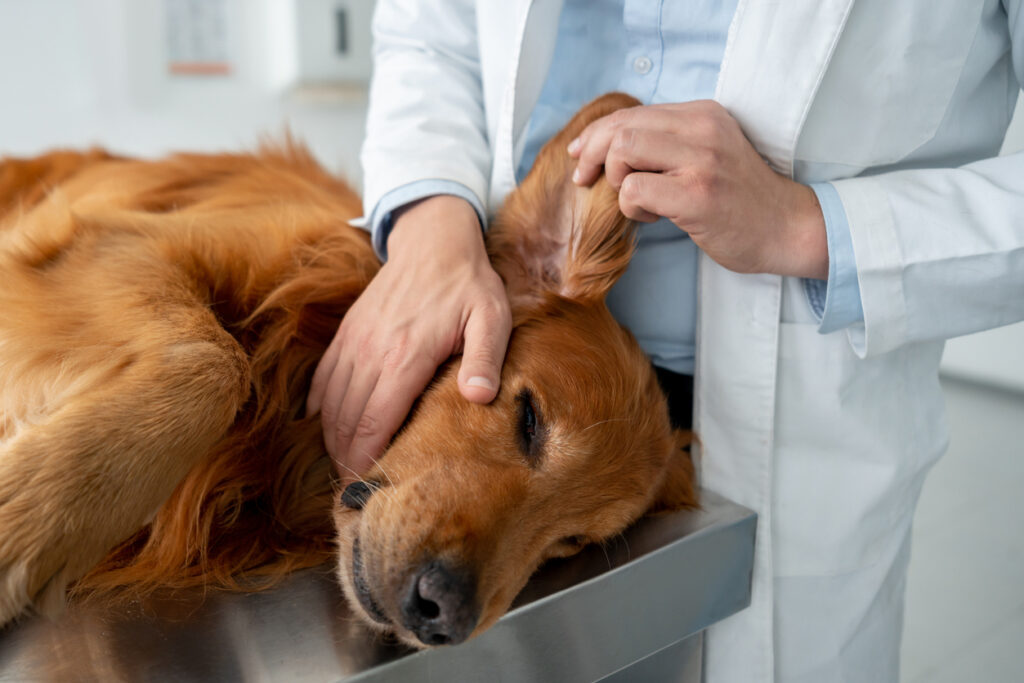

Dog ear infections are a common and frustrating issue for many pet parents. If your dog is constantly scratching their ears, shaking their head, or if you notice a strong odor coming from their ears, they may have an infection. Ear infections can be painful and, if left untreated, may lead to more serious health problems.
Understanding the causes, symptoms, and best treatment options can help you take quick action to relieve your dog’s discomfort. In this guide, we’ll cover how to treat a dog ear infection and how to prevent future infections—including how a fresh, balanced diet like Ollie Fresh Dog Food can support ear health.
Learn more about Ollie’s fresh recipes →
Key Takeaways:
- Dog ear infections are often caused by bacteria, yeast, allergies, or moisture buildup. Early treatment is crucial.
- Treatment options include veterinary care, prescription medications, and regular ear cleaning.
- A healthy diet plays a big role in supporting ear health and skin/coat health. Feeding your pup Ollie’s fresh recipes can help reduce food-related allergies that contribute to ear problems, and Ollie’s Skin & Coat Chews support overall ear and skin health.
What Are Ear Infections in Dogs?
A dog ear infection (also called otitis) is an inflammation of the ear canal caused by bacteria, yeast, or parasites. Infections can occur in three different parts of the ear:
- Otitis externa – Infection of the outer ear canal (most common).
- Otitis media – Infection of the middle ear, often caused by untreated outer ear infections.
- Otitis interna – Infection of the inner ear, which can affect balance and hearing.
Most dogs will experience an outer ear infection at some point in their lives. However, if left untreated, the infection can spread deeper into the ear, leading to more serious complications such as hearing loss or balance issues.
Symptoms of a Dog Ear Infection
If your dog has an ear infection, you may notice:
- Frequent head shaking or ear scratching
- Redness, swelling, or discharge in the ear
- A strong, unpleasant odor from the ear
- Whimpering or sensitivity when touched
- Loss of balance (if the infection spreads to the inner ear)
Catching an ear infection early is key to preventing serious pain and complications. If your dog shows any of these symptoms, it’s important to take action and reach out to your vet right away.
Causes of Dog Ear Infections
Several factors can make your dog more likely to develop an ear infection.
1. Bacteria and yeast overgrowth
Dogs naturally have bacteria and yeast in their ears, but when these microorganisms multiply too quickly, they cause an infection. This overgrowth can happen due to moisture buildup, allergies, or a weakened immune system.
2. Allergies (food or environmental)
Allergies are one of the most common reasons for chronic ear infections in dogs. Dogs with food allergies or sensitivities often experience itchy ears, leading to inflammation and infection. Environmental allergens like pollen, dust mites, and mold can also trigger infections.
3. Moisture buildup from swimming and baths
Dogs who swim frequently or get their ears wet during baths are more prone to infections. Moisture creates the perfect environment for bacteria and yeast to thrive, especially in dogs with floppy ears (like Cocker Spaniels or Basset Hounds).
4. Ear mites—especially in puppies
Ear mites are tiny parasites that live inside the ear canal, causing intense itching and irritation. They are more common in puppies and can lead to secondary bacterial infections if left untreated.
5. Excessive earwax or foreign objects
Some dogs naturally produce more earwax than others, which can trap dirt and debris, leading to infections. Small foreign objects (like grass seeds) can also get stuck inside the ear canal and cause irritation.
How to Treat a Dog Ear Infection
If your dog has an ear infection, quick treatment is key to preventing pain and complications. Treatment will depend on the severity of the infection, but in most cases, a combination of veterinary care, medication, and proper ear cleaning is needed.
1. Veterinary Diagnosis
A veterinarian should examine your dog’s ears to determine the cause of the infection. Vets use an otoscope to look inside the ear and may take a swab to check for bacteria, yeast, or parasites. Identifying the exact cause helps ensure the right treatment. Delaying treatment could lead to severe pain, deeper infections, or even hearing loss.
When to see a vet immediately:
- Persistent symptoms: If your dog’s infection worsens or doesn’t improve
- Swelling or extreme redness: Inflamed, swollen ears may indicate a severe bacterial infection
- Strong odor or thick discharge: Yellow, green, or bloody discharge with a foul smell means an advanced infection
- Loss of balance or walking in circles: This could be a sign that the infection has spread to the inner ear and is affecting your dog’s equilibrium
- Excessive pain: If your dog whimpers, yelps, or resists touching near their ears, the infection may be severe
2. Prescription Medications
Veterinary-prescribed medications are the most effective dog ear infection treatment and work quickly to relieve symptoms. Your vet may prescribe:
- Antibiotic ear drops (if bacteria are the cause)
- Antifungal ear drops or oral medication (for yeast infections)
- Steroids (to reduce severe inflammation and pain)
- Oral antibiotics (for deep or recurring infections)
These treatments typically clear up an infection within 7 to 14 days, but it’s important to follow your vet’s instructions exactly and complete the full course of medication—even if symptoms improve early.
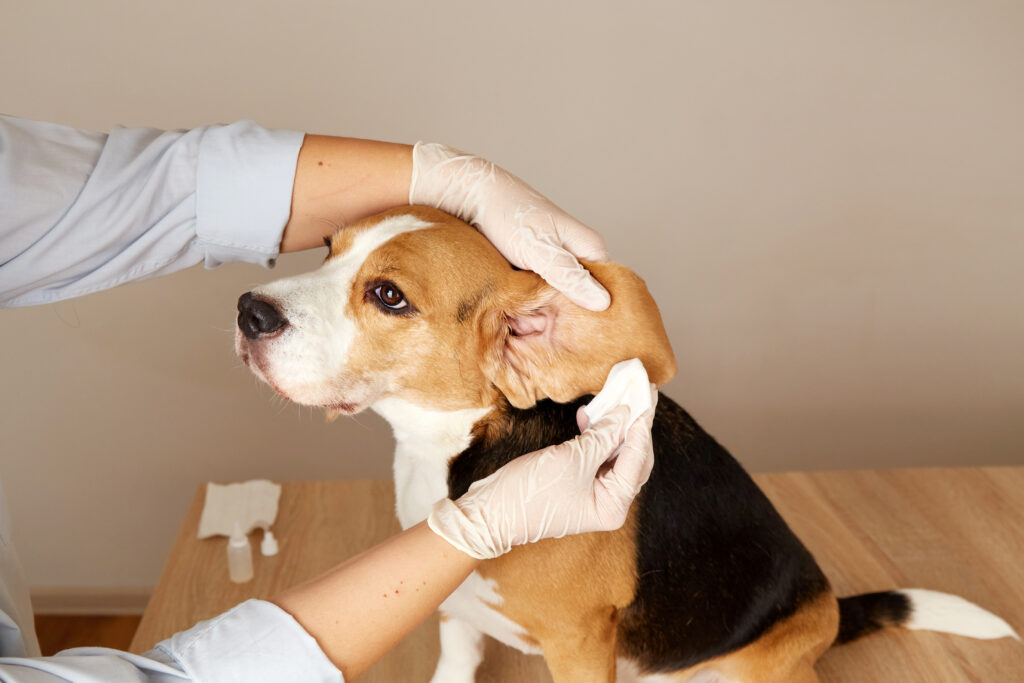
Cleaning the Ears Properly
Keeping your dog’s ears clean is essential for both treating and preventing infections. However, cleaning must be done gently and correctly to avoid making the infection worse.
Step-by-Step Guide to Cleaning Your Dog’s Ears
- Gather your supplies: Use a vet-approved ear cleaner, cotton pads or gauze (not cotton swabs), and treats to keep your dog calm.
- Hold your dog’s ear flap up: This helps expose the ear canal and allows the cleaner to reach deep inside.
- Apply the ear cleaner: Squeeze a small amount into the ear canal, following the product instructions.
- Massage the base of the ear: Gently rub the base of the ear for about 30 seconds to help break up debris.
- Let your dog shake their head: This helps loosen wax and dirt inside the ear.
- Wipe away debris: Use a cotton pad or gauze to wipe the outer ear and remove any loosened debris.
- Reward your dog: Give them a treat to make the process positive.
What NOT to Do:
- Don’t use Q-tips. They can push debris deeper and damage the ear canal.
- Don’t clean too often. Over-cleaning can remove healthy bacteria and irritate the ear. We recommend cleaning every once a week, but check with your vet for the most accurate recommendation.
- Don’t use hydrogen peroxide or alcohol. These can dry out and damage the ear tissue.
How to prevent future ear infections for your dog
Once your dog has had an ear infection, you’ll want to take steps to prevent it from happening again. Regular ear care, proper grooming, and a healthy diet can make a big difference in reducing the risk of infections.
1. Regular ear cleaning
Cleaning your dog’s ears once a week or as needed helps remove dirt, wax, and bacteria before they cause an infection. Use a vet-approved ear cleaner and follow the instructions outlined above. Avoid over-cleaning, as it can strip away healthy bacteria and cause irritation.
2. Keep ears dry after swimming and baths
Moisture buildup is one of the biggest triggers for ear infections, especially in dogs with floppy ears.
How to prevent moisture buildup:
- Dry your dog’s ears thoroughly with a soft towel after swimming or bathing.
- Use a dog-safe ear drying solution if your pup swims often.
- Avoid getting shampoo or water inside the ears during baths.
3. Manage allergies with a fresh, balanced diet
Food allergies are a major cause of chronic ear infections in dogs. Many commercial dog foods contain fillers, artificial additives, and allergens (like wheat, corn, or soy) that can trigger inflammation. Ollie’s fresh recipes are free from artificial fillers and common allergens, making them a great choice for dogs prone to ear infections.
Learn more about Ollie’s fresh recipes →
4. Use supplements that support ear and skin health
Adding skin-boosting supplements to your dog’s routine can help prevent recurring ear infections. Ollie’s Skin & Coat Chews contain omega-3 fatty acids and biotin, which support skin and ear health—helping to prevent infections before they start.
5. Regular vet checkups
Even with proper care, some dogs are prone to ear infections due to genetics or allergies. Regular vet visits help catch early signs of infection before they become serious. You can ask your vet how often to clean your pup’s ears based on their breed and ear shape, allergy testing if they have frequent ear infections, and medication or diet changes to prevent recurring issues.
Frequently Asked Questions About Dog Ear Infections
What is the fastest way to treat a dog ear infection?
The fastest way to treat a dog ear infection is to visit a veterinarian for a proper diagnosis. Your vet may prescribe antibiotic ear drops, antifungal medication, or anti-inflammatory treatments. If treated early, most infections improve within 7 to 14 days.
How do I know if my dog has an ear infection or just dirty ears?
Dirty ears may have a little wax or mild odor, but an ear infection typically causes redness, swelling, itching, excessive scratching, and a strong odor. If you notice discharge or your dog is in pain, it’s likely an infection.
What happens if a dog ear infection goes untreated?
Untreated dog ear infections can spread to the middle or inner ear, leading to hearing loss, balance issues, and chronic pain. In severe cases, an untreated infection can cause ruptured eardrums or permanent ear damage.
Are certain dog breeds more prone to ear infections?
Dogs with floppy ears (like Cocker Spaniels, Basset Hounds, and Golden Retrievers) are more likely to develop ear infections because their ear canals trap moisture and bacteria. Breeds with allergy-prone skin (like Bulldogs and French Bulldogs) are also at higher risk.
Can diet affect dog ear infections?
Yes! Food allergies are a common cause of recurring ear infections in dogs. Many commercial dog foods contain fillers, artificial additives, and grains that trigger inflammation. Feeding a fresh, balanced diet like Ollie’s can help reduce allergy-related ear infections.
The Ollie blog is devoted to helping pet parents lead healthier lives with their pups. If you want to learn more about our fresh, human-grade food, check out ollie.com.
Disclaimer: This article and the Ollie blog is for informational purposes only and is not a substitute for professional veterinary advice, diagnosis, or treatment. If your dog is showing signs of illness and/or injury, always consult your veterinarian promptly. Every dog is different, and any dietary change should be discussed with your veterinarian. Ollie is not a prescription or therapeutic diet and is not intended to prevent, treat, or manage any medical condition. Always work with your vet to determine the best care plan for your individual pup, especially if they’ve been diagnosed with a health condition.
Tagged As:

The nutrition your dog needs,
the food they want.
Written by:
Lindsay Cassibry, MPH, DVM Dr. Lindsay Cassibry is the Veterinarian at Ollie and brings over 8 years of veterinary experience, combining her expertise in veterinary science, nutrition, and public health to advance pet nutrition and overall animal wellness. She holds a Doctorate in Veterinary Medicine from Louisiana State University, a Master’s in Public Health from St. George’s University, and a Bachelor’s in Nutrition from the University of Alabama. With this strong academic foundation, Dr. Cassibry has specialized in veterinary nutrition, further honed by her experience at DIG Labs, where she led innovative research in pet health solutions. At Ollie, Dr. Cassibry is dedicated to pushing the boundaries of veterinary nutrition, continually working to enhance the health and well-being of pets everywhere.




Enjoying our articles? Subscribe our Newsletters and get new articles directly to your inbox
You might also like
20 October 2026
7 MINS READ
Why Is My Puppy Throwing Up? A Guide for Pet Parents
Is your puppy vomiting? This guide explains why it happens, how to help, when it’s normal, and when it’s time to get your vet on the phone—no guesswork needed.
17 October 2026
13 MINS READ
How Much To Feed A Puppy: Chart By Weight & Age
Feeding your puppy the right amount at every stage of growth is key to their long-term health. This guide helps you create a feeding plan that fits your pup.
27 September 2026
5 MINS READ
Is Fresh Dog Food Cooked or Raw?
Wondering if fresh dog food means raw meat or something cooked? Learn what “gently cooked” really means and how to safely navigate fresh feeding for your dog.