[EXCLUSIVE] Ollie Blog readers! 70% OFF your First Box + FREE Ollie Hat (for You!) AND Bandana (for Pup!) Try now!


As humans, we’ve been conditioned to read food labels closely (no high fructose corn syrup allowed!). We need to train ourselves to look just as skeptically at our dog’s food label. Commercial brands often contain ingredients that aren’t healthy for pups. They are generally used for one of two reasons: because they’re inexpensive, or because they help the food stay fresh longer. Either way, you don’t want your pup to consume these ingredients on a regular basis. Before you open another bag (or can), review the label, and if you see any of the following ingredients, you may want to reconsider.
Learn more about Ollie’s fresh recipes →
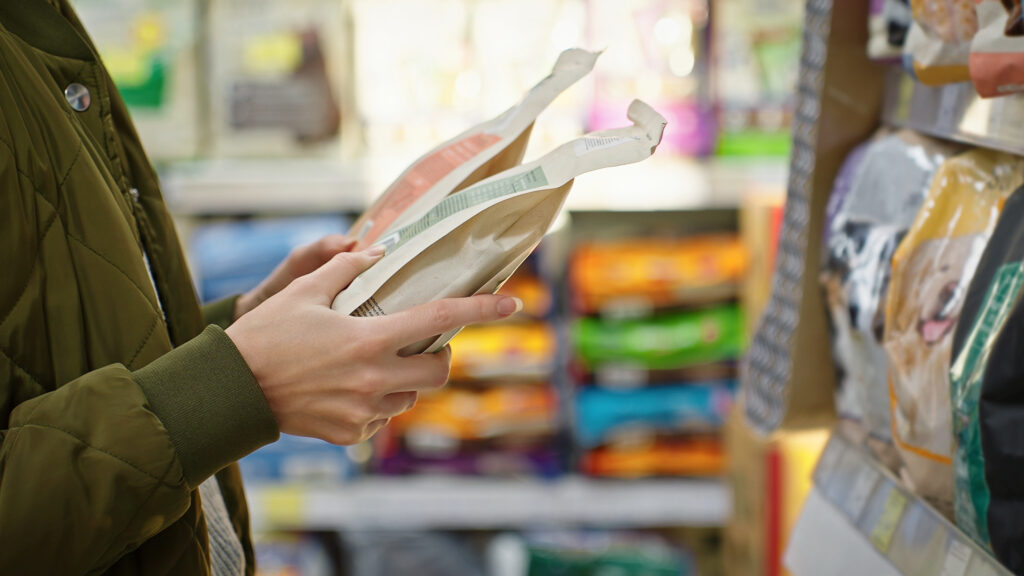
1. Artificial preservatives like BHA, BHT, and ethoxyquin
These are artificial preservatives found in some traditional dog foods and treats, used to extend their shelf life. “There are concerns that these chemicals can be harmful with long-term exposure and ingestion,” says Dr. Gary Richter, veterinarian and author of the Ultimate Pet Health Guide, who recommends avoiding any artificial ingredients in food or treats. For example, ethoxyquin, which is used as a fat preservative, is also utilized as a pesticide. One study found that it elevates liver enzymes in the blood and raises hemoglobin pigment in the liver.
2. Artificial colors and dyes
There’s no nutritional reason to add color to your dog’s food. Dyes like Red 40 and Yellow 5 do nothing for your pup, and they’re really only there to make the food look more appealing to the human buying it. Dogs don’t care what color their dinner is, and several synthetic dyes have faced safety scrutiny in human food over the years. If a recipe needs coloring to look appetizing, that tells you something about what’s underneath.
3. Artificial flavors
If a dog food leans on artificial flavors, it’s usually making up for something. Real ingredients (actual meat, organs, and produce) taste good on their own when properly cooked. Artificial flavors are synthetic additives designed to make bland or low-quality food palatable, which means they can mask just how little real, nourishing food is actually there. They add nothing nutritionally.
It’s the opposite of how we make Ollie: our recipes are gently cooked to bring out the natural flavor of whole ingredients, so there’s nothing to fake. The better the ingredients, the less a recipe needs to cover for them.
4. Generic “meat by-products”
Not all animal protein on a label is created equal. “Meat by-products” is a catch-all for the parts left after the prime cuts are removed, and the vague wording is exactly the problem. When a label says “chicken liver” or “beef heart,” you know what your dog is getting. When it just says “meat by-products” or “animal by-products,” there’s no telling which parts, or even which animals, are in the mix, and quality can swing from batch to batch. Named organ meats can be genuinely nutritious. Unnamed by-products are a question mark you don’t want in your dog’s bowl.
5. Rendered meals or by-product meals
If you spot a protein “meal” on the label (chicken meal, meat meal, poultry by-product meal), look closer. These come from rendering, a process where leftover animal tissue is cooked down to remove fat and moisture. “Meat producers take all of the leftover bits and scraps, and cook them down to remove the fat,” Richter explains. “After the fat is removed, meat meal remains.” Meals do contain concentrated protein, but the nutritional quality varies widely depending on what went into them, and like the generic by-products above, vague sourcing is the red flag. The less specific the name, the less you know about what your dog is eating.
6. Added sugars or sweeteners
Your pup’s food doesn’t need to be sweetened. Added sugars and sweeteners like corn syrup bring a high glycemic index and no health benefits. They’re there to boost palatability, not nutrition. “Dogs don’t even want sweet in their foods,” Richter says. Over time, unnecessary sugar can contribute to weight gain and dental issues, the same way it does for humans.
7. Propylene glycol
This artificial additive is used to maintain texture, keeping foods soft and moist. While it is generally recognized as safe by the FDA, it’s still an artificial ingredient, and Richter says he wouldn’t recommend feeding it to dogs. Additionally, there’s often confusion between propylene glycol and ethylene glycol (antifreeze). The latter is extremely toxic to dogs, although the former has been used in antifreeze as a non-toxic alternative.
8. Carrageenan
An ingredient extracted from red seaweed, carrageenan is used as a thickener to maintain consistency, specifically in wet dog food. It has been determined safe by the FDA and AAFCO as a food additive. However, the “degraded” variant, called poligeenan (which is not permitted in food), has been shown to be potentially harmful. Studies indicate that it can lead to GI inflammation and possibly cancer, Richter says. Our verdict: avoid it!
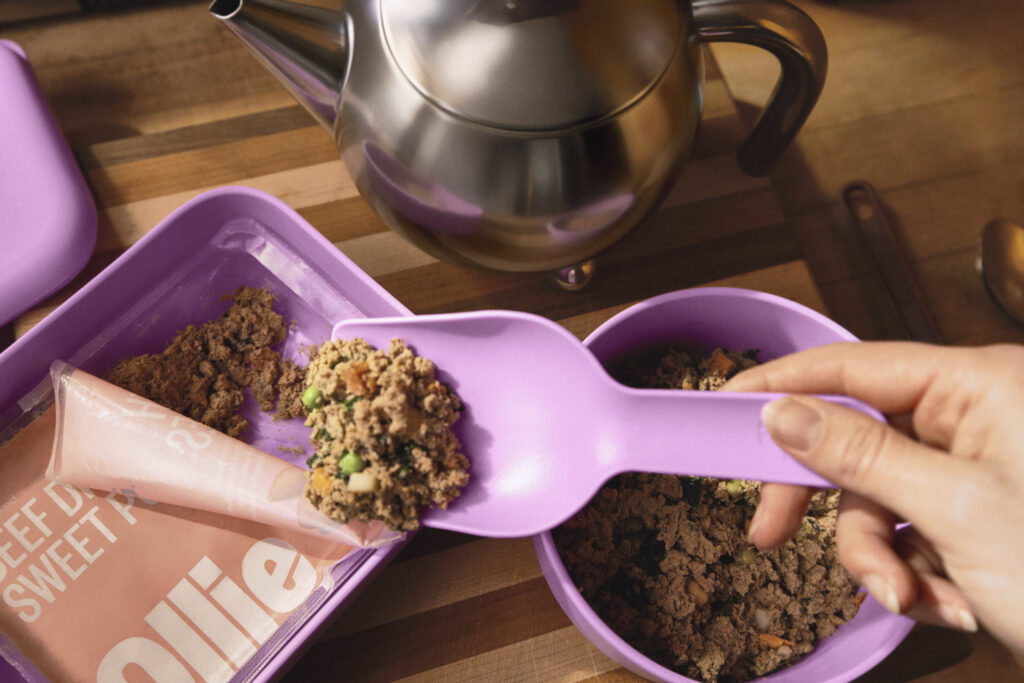
The Ollie difference
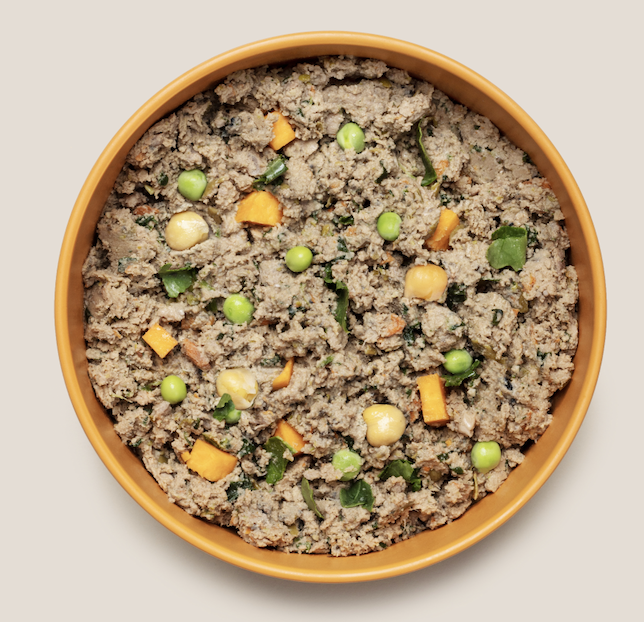
Once you start reading dog food labels closely, you’ll notice how often these ingredients show up, frequently in brands that market themselves as healthy. The good news is that avoiding them is simple once you know what to look for: skip the artificial additives, watch for vague protein sourcing, and favor recipes that name their ingredients clearly. That’s the standard we hold ourselves to at Ollie, where every recipe is made with real, human-grade meat and produce, gently cooked, with nothing artificial to hide behind.
The Ollie blog is devoted to helping pet parents lead healthier lives with their pups. If you want to learn more about our fresh, human-grade food, check out ollie.com.
Disclaimer: This article and the Ollie blog is for informational purposes only and is not a substitute for professional veterinary advice, diagnosis, or treatment. If your dog is showing signs of illness and/or injury, always consult your veterinarian promptly. Every dog is different, and any dietary change should be discussed with your veterinarian. Ollie is not a prescription or therapeutic diet and is not intended to prevent, treat, or manage any medical condition. Always work with your vet to determine the best care plan for your individual pup, especially if they’ve been diagnosed with a health condition.
Tagged As:

The nutrition your dog needs,
the food they want.
Written by:



Enjoying our articles? Subscribe our Newsletters and get new articles directly to your inbox
You might also like
1 September 2026
6 MINS READ
What Ingredients Are In Fresh Dog Food?
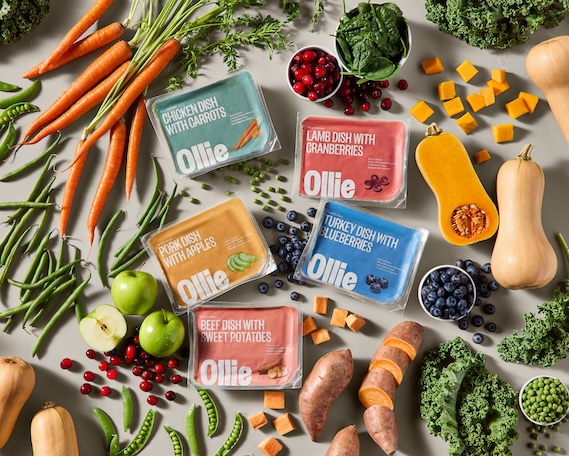
Discover the real, whole ingredients inside fresh dog food—from USDA-certified meats to nutrient-rich veggies and fruits—and how they support your dog’s long-term health.
27 August 2026
5 MINS READ
Common Food Allergies for Dogs and How to Avoid Them
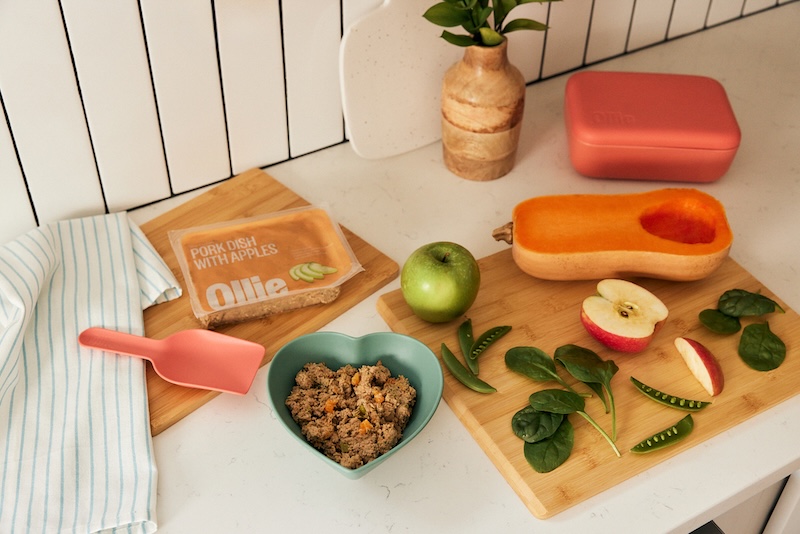
Like humans, dogs also have allergies that we as pet parents need to account for. Food can often be at the center of common food allergies and it’s important to learn about how to avoid them.
12 August 2026
7 MINS READ
Can Puppies Have Fresh Dog Food?
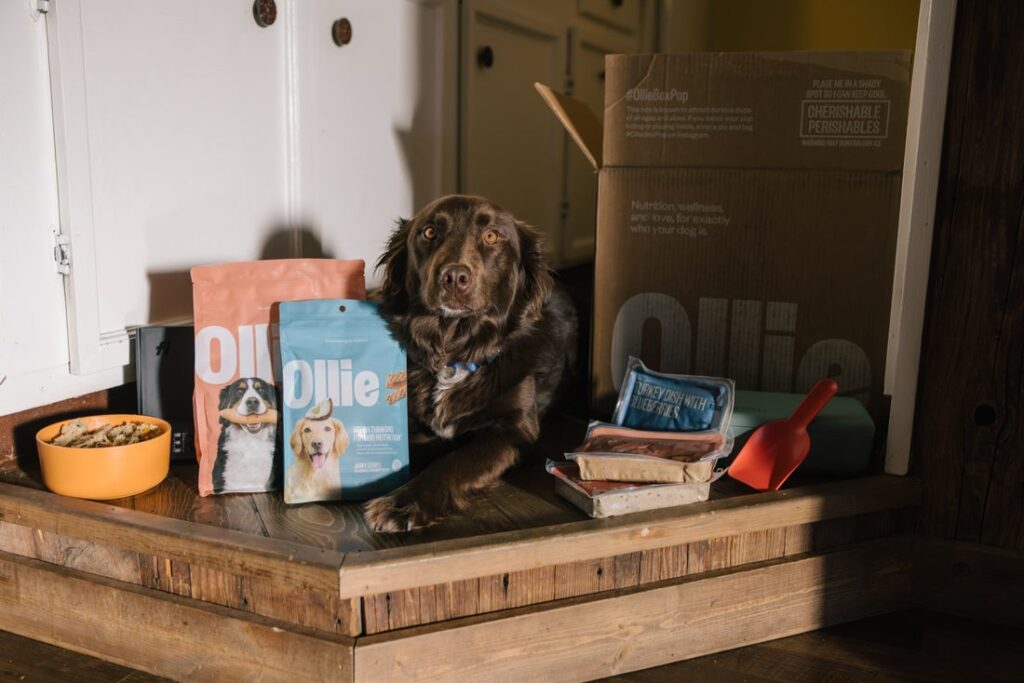
Yes, puppies can have fresh dog food, and in many cases, they thrive on it. Starting your pup off with fresh, nutrient-rich meals supports their rapid growth, brain development, and long-term heal…