[EXCLUSIVE] Ollie Blog readers! 70% OFF your First Box + FREE Puzzle Toy is BACK + [BONUS] Free Jerky! Try now!
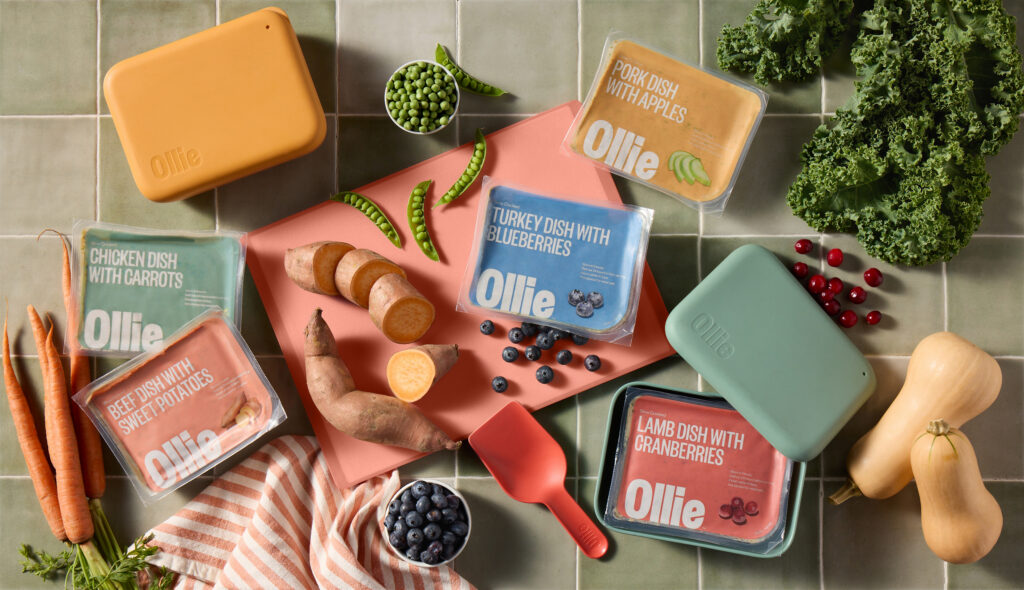

Keeping up with pet safety can feel a bit overwhelming. Between scrolling through updates on dog food recalls and trying to decipher complex ingredient labels, navigating the world of pet food safety is a lot. You want to provide the absolute best care for your pup, ensuring that their diet contributes to their well-being rather than putting it at risk.
We’re obsessed with how obsessed you are with your pup. So, let’s break down the latest pet nutrition news, decode exactly how dog food is made safely, and explore what human-grade standards actually mean for that wildly enthusiastic tap-dance your dog does when you scoop their food.
What is Pet Food Safety?
Pet food safety refers to the entire process of ensuring dog food is free from harmful pathogens (like Salmonella and Listeria), environmental contaminants (mycotoxins and heavy metals), and foreign materials. It involves rigorous testing, supplier verification, controlled manufacturing processes, and proper cold chain management, from the farm to your dog’s bowl.
The key difference? Human-grade pet food (manufactured to FDA human food standards) is held to significantly higher safety standards than traditional feed-grade pet food, which is regulated under less stringent animal feed standards.
Making Sense of Pet Safety News and Recalls
If you casually browse pet nutrition news, you’ve likely seen headlines about dog food recalls. It’s natural to want to know what to look for and what actually matters. Often, these recalls happen when regulatory bodies like the Food and Drug Administration (FDA) or the manufacturers themselves discover that a batch of animal food has been compromised. But what exactly are they looking for?
Recalls typically stem from a few major risk categories:
- Pathogens: Harmful bacteria like Salmonella spp., Listeria monocytogenes, and E. coli are the most common culprits. The FDA maintains a strict Zero Tolerance Policy for these specific pathogens in pet food. Salmonella can cause severe illness, Listeria is particularly dangerous for puppies, pregnant dogs, seniors, and immunocompromised dogs, and specific strains of E. coli (like O157:H7) can lead to serious health complications.
- Contaminants: Beyond bacteria, safety checks monitor for environmental contaminants. This includes mycotoxins (toxic compounds produced by molds on grains), heavy metals like lead and arsenic, and foreign physical materials like stray plastic or metal from manufacturing equipment.
- Nutritional Imbalances: Sometimes, dry pet food is recalled because it contains too much or too little of a vital nutrient, such as excess Vitamin D.
Staying informed about pet safety doesn’t mean you have to live in a state of constant worry. The fact that recalls happen means that safety monitoring systems are actually working. However, the frequency of these issues in traditional feed-grade pet food has driven many dog parents to look for a fresher, more reliable way forward.
Decoding the Standards: Human-Grade vs. Feed-Grade
When you are trying to understand how to ensure your dog is eating a safe diet, you inevitably run into the terms “feed-grade” and “human-grade.” The difference between these two categories isn’t just marketing fluff; it is a massive regulatory divide that dictates exactly how the food is sourced, handled, and processed.
Feed-Grade Pet Food
Traditional feed-grade pet food is regulated under 21 CFR Part 507 (Good Manufacturing Practices for Animal Food). While this standard ensures the food is safe for animals, the ingredients are not necessarily edible for humans. Feed-grade diets can legally include animal by-products, rendered meals, and parts of animals that have been deemed unsafe for human consumption. Furthermore, the facilities that produce feed-grade food have less stringent design requirements and can manufacture animal feed for multiple species simultaneously, which can increase the risk of cross-contamination.
Human-Grade Pet Food
Human-grade pet food operates on an entirely different level. To claim human-grade status, a manufacturer must meet the stringent requirements of 21 CFR Part 117 (Good Manufacturing Practices for Human Food) plus the Association of American Feed Control Officials (AAFCO) Human Grade standards.
What does this mean for your dog? It means 100% human-edible ingredients sourced directly from the human food supply chain. It means USDA-inspected meat, with no mystery by-products or rendered meals. The facilities themselves require dual licensing, strict separation of raw and cooked areas, advanced ventilation, and rigorous employee hygiene protocols, think hair coverings, gloves, and strict handwashing stations.
At Ollie, we manufacture under 21 CFR 117, strictly utilizing USDA-certified, human-edible ingredients. Any diseased or abnormal organs are condemned and removed before they ever get near our kitchens. We believe ingredient transparency equals ingredient safety. You know exactly what is in your dog’s bowl, giving them something highly nutritious to sniff besides your dirty laundry.
How is Dog Food Made Safely? The Ollie Approach
Understanding how dog food is made safely requires looking closely at the manufacturing process itself. The Food Safety Modernization Act (FSMA) shifted the entire food safety landscape from reactive to proactive. Instead of just waiting to see if contamination happens, facilities must prevent it through preventive controls, identifying potential risks, implementing controls to stop them, and testing to verify those controls work.
Here is exactly how Ollie goes beyond minimum regulatory requirements to lead the pack in pet food safety:
1. Gentle Cooking for Maximum Safety and Nutrition
Traditional kibble is often extruded at extreme temperatures, sometimes over 300°F. While this kills bacteria, it also destroys a significant portion of the natural nutrients. Alternatively, raw diets present a much higher risk of pathogen exposure for both pets and their owners.
Our solution is a meticulously validated gentle cooking process. We cook our food at low, precise temperatures (160–190°F). This specific heat range is scientifically validated to completely eliminate harmful pathogens like Salmonella and Listeria.
But here’s the bonus: gentle cooking also preserves 25–40% more bioavailable nutrients than the extreme heat of kibble extrusion (which happens at 200+°F). This means your dog’s body can actually absorb and utilize the nutrients from the high-quality, whole-food ingredients we use. Safety and nutrition work together. After cooking, the food is quickly cooled to minimize any risk of pathogen regrowth.
2. Batch-by-Batch Microbial Testing
The FDA doesn’t mandate specific testing frequencies for pet food manufacturers; they leave it up to the brands to determine their risk-based testing plans. Many traditional pet food companies test their finished products on a “skip-lot” basis, or only when safety concerns arise.
We don’t leave your dog’s health to chance. Every single batch of Ollie food undergoes rigorous microbial testing before it is ever released for shipping.
Here’s what we test for: Pathogens (Salmonella spp., Listeria monocytogenes, and E. coli), Contaminants (mycotoxins, heavy metals, and pesticides), and Quality indicators (yeast, mold, rancidity, and food integrity). A Certificate of Analysis (COA) is required for every single lot, confirming negative results for all pathogens and contaminants. If it doesn’t pass any of these tests, it doesn’t ship. Period.
3. Full Traceability and Supplier Verification
Full traceability starts before our food is even made. We rigorously vet every supplier before they ever send us an ingredient, ensuring they meet our safety standards. From that point forward, every ingredient and finished product is tracked meticulously, from the original supplier all the way to your dog’s bowl. If an issue ever arises, we can instantly identify which batches are affected and execute targeted investigations and corrective actions most effectively.
Our comprehensive documentation means our Director of Food Safety, Quality, & Regulatory Affairs even serves on the AAFCO Human Grade Subcommittee, ensuring we are always at the forefront of industry best practices.
4. Uncompromising Cold Chain Management
Because we use real, fresh ingredients without artificial chemical preservatives, maintaining a flawless cold chain is a critical control point. Unlike traditional kibble, which uses synthetic preservatives to stay shelf-stable at room temperature for 12–18 months, our fresh food is frozen immediately after production to halt any potential bacterial growth. This is how we keep food safe without relying on chemicals.
When your box ships, it is packed with dry ice calculated by a specialized algorithm that factors in your specific geographic location, current weather conditions, and exact transit times. This ensures the food arrives frozen solid. Maintaining these freezing temperatures from our monitored fulfillment centers straight to your doorstep is what keeps fresh food impeccably safe.
Safe Handling at Home: Treating Their Food Like Your Food
Food safety doesn’t stop once the delivery box hits your porch. Because human-grade fresh dog food is made from the exact same quality ingredients you keep in your own refrigerator, it needs to be treated with the same level of care.
Here are the best practices for handling fresh dog food safely at home:
- Mind the Thaw: Always thaw frozen dog food in the refrigerator, never out on the kitchen counter at room temperature. Leaving fresh food at room temperature allows bacteria to multiply rapidly.
- The Fridge Life: Once a pack of fresh food is fully thawed in the fridge, it should be consumed within 4 days. If your pup is a slow eater or you have a tiny breed, keep the rest safely stashed in the freezer until you need it.
- Prevent Cross-Contamination: Just like when you are prepping chicken for your own dinner, wash your hands thoroughly with soap and warm water after handling pet food. Keep your dog’s food scoops and storage containers strictly separate from your human utensils.
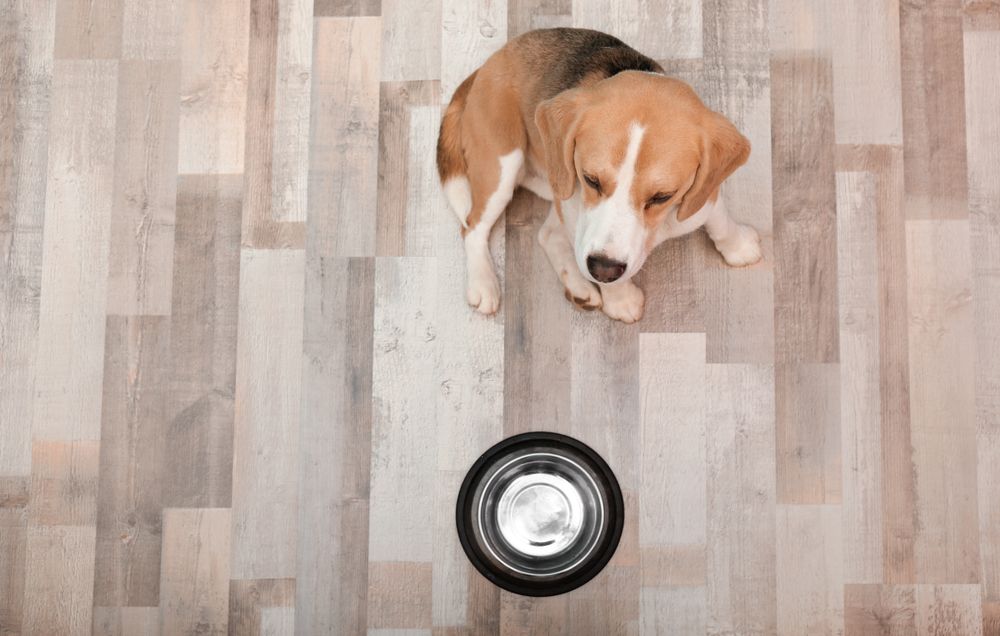
- Wash the Bowl: We know your dog will probably lick their bowl so clean you’ll get side-eye when it’s empty, but you still need to wash it. Dog bowls are notorious breeding grounds for bacteria. Wash their bowl with hot, soapy water after every single meal to prevent the buildup of biofilms that can cause digestive upset.
Decoding the Standards: Common Concerns Addressed
“Isn’t all pet food regulated and safe?”
Not all to the same standard. Traditional feed-grade pet food is regulated under 21 CFR 507 (animal feed standards), which are significantly less stringent than human food standards (21 CFR 117). Here’s what that means in practice:
Feed-grade facilities can produce animal feed for multiple species simultaneously (pets, poultry, cattle), which increases cross-contamination risks. They can legally include by-products and rendered meals—parts of animals deemed unsafe for human consumption. And their facility design, employee hygiene protocols, and testing requirements are less rigorous.
Human-grade facilities (like ours) must meet the stricter human food standards. We can only handle ingredients from the USDA-inspected human food supply chain. Our facility has strict separation between raw and cooked areas, advanced ventilation systems, and rigorous employee protocols. In short: human-grade manufacturing means your dog’s food is held to the same safety standards as your food.
“How often is pet food actually tested for pathogens?”
It depends on the manufacturer. The FDA doesn’t mandate specific testing frequencies; it’s up to manufacturers to determine risk-based testing plans. Many manufacturers test finished products on a skip-lot basis or only when safety concerns arise (reactive testing).
Ollie tests every batch, every day, before any product is shipped. This proactive approach catches contamination before it can reach a dog’s home. Every lot receives a Certificate of Analysis confirming it passed all pathogen and contaminant tests. That’s our commitment.
“What makes fresh food safer than kibble?”
Fresh food is frozen immediately after gentle cooking, which halts bacterial growth. The low-temperature cooking process (160–190°F vs. kibble’s 300+°F) is validated to kill pathogens while maintaining nutritional integrity. Kibble’s extreme heat and long shelf-life (12–18 months at room temperature) create different safety challenges. Both can be safe when manufactured correctly, but fresh food’s cold chain is a powerful control mechanism for pathogen prevention—and it does that without relying on artificial preservatives.
Peace of Mind for You, Better Health for Them
Our science is highly technical, but our mission is incredibly simple: better food for better health. We know you want complete confidence when you feed your dog. You want to know that the meals fueling their endless zoomies, their intense squirrel-watching sessions, and their deep, snoring slumbers are fundamentally safe and optimized for their health.
By choosing a diet built on human-grade standards, rigorous batch-by-batch testing, and precise gentle cooking, you’re doing what you can to keep them safe from food-related risks. You are bypassing the questionable rendered meals and heavy processing of traditional feed-grade diets.
The result? Better digestion so you don’t have a “How do I pick this poop up?” moment on your morning walk. A sleeker coat that really shines in real life and in all the photos you force your friends to look at. Better breath for when you inevitably wake up sharing a pillow. More energy for playtime with your pup. Stronger joints. A longer, healthier life by your side.
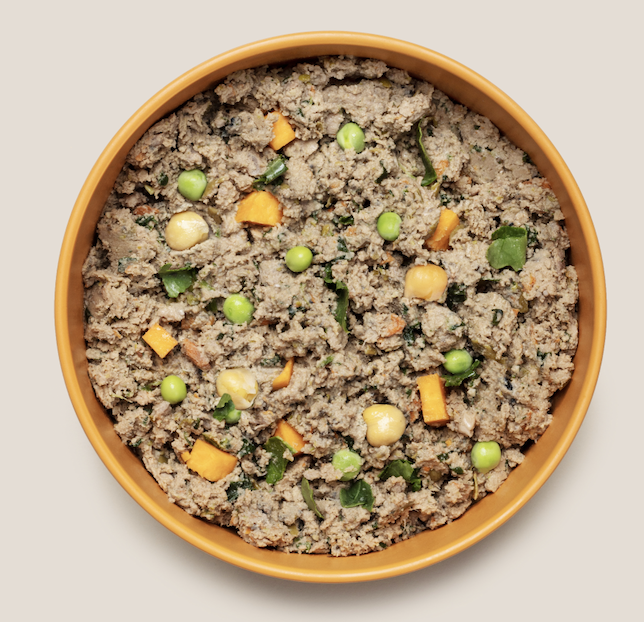
But safety is just the foundation. The next level of dog health comes from what those safe ingredients are. When your dog eats real, whole-food ingredients like beef, sweet potatoes, and omega-rich fish oil, rather than rendered meals and grain fillers, their body can digest, absorb, and utilize those nutrients more effectively. That’s why so many dog parents who switch to Ollie notice not just safer food, but healthier dogs overall.
By staying up to date on pet safety news and understanding how dog food is made safely, you are empowered to make the best possible choices for your best friend. Whether you choose Ollie or another brand, the most important thing is that you know exactly what’s going into your dog’s bowl and why it matters.
We’ll never stop searching for ways to bring you and your pup even closer. Because when your pup is happy and thriving, we are insanely proud to play a part in it.
The Ollie blog is devoted to helping pet parents lead healthier lives with their pups. If you want to learn more about our fresh, human-grade food, check out ollie.com. This article was written by Christine Miller, Director of Food Safety, Quality, and Regulatory at Ollie and Lauren Greene, Sr. Food Safety Program Coordinator at Ollie.
Disclaimer: This article and the Ollie blog is for informational purposes only and is not a substitute for professional veterinary advice, diagnosis, or treatment. If your dog is showing signs of illness and/or injury, always consult your veterinarian promptly. Every dog is different, and any dietary change should be discussed with your veterinarian. Ollie is not a prescription or therapeutic diet and is not intended to prevent, treat, or manage any medical condition. Always work with your vet to determine the best care plan for your individual pup, especially if they’ve been diagnosed with a health condition.
Tagged As:
The nutrition your dog needs,
the food they want.
Written by:
Christine Miller is a respected leader in pet food safety, quality, and regulatory affairs with more than 13 years of industry experience. Christine serves as Director of Food Safety, Quality, and Regulatory Affairs, where she leads enterprise-wide FSQA strategy for human-grade pet food manufacturing. She oversees food safety plan development, regulatory compliance, supply chain risk management, labeling and claims substantiation, and international market expansion — ensuring standards that protect pets, consumers, and brand integrity. Throughout her career, Christine has held progressive quality and regulatory roles across the pet food sector, giving her a broad perspective across traditional and emerging pet food models. She is actively engaged with the Association of American Feed Control Officials (AAFCO), serving on multiple committees and workgroups, as well as serving in a position on the AFIA Pet Food Committee. She is also a certified HACCP Food Safety Auditor, bringing deep expertise in risk-based systems, auditing, and preventive controls. Christine is passionate about advancing science-based regulation, modernizing industry standards, and driving continuous improvement across the pet food supply chain.



Enjoying our articles? Subscribe our Newsletters and get new articles directly to your inbox
You might also like
12 August 2026
7 MINS READ
Can Puppies Have Fresh Dog Food?
Yes, puppies can have fresh dog food, and in many cases, they thrive on it. Starting your pup off with fresh, nutrient-rich meals supports their rapid growth, brain development, and long-term heal…
6 August 2026
5 MINS READ
Common Food Allergies for Dogs and How to Avoid Them
Like humans, dogs also have allergies that we as pet parents need to account for. Food can often be at the center of common food allergies and it’s important to learn about how to avoid them.
24 June 2026
12 MINS READ
The Ultimate Dog Food Ingredient Guide: How Much Do Ingredients Actually Matter?
Staring at a dog food label shouldn’t feel like reading a chemistry textbook. Learn how to decode the first 5 ingredients, spot marketing red flags, and understand why your pup needs nutrients, not…