[EXCLUSIVE for Ollie Readers!] 70% off + FREE jerky + FREE Puzzle Toy (it’s back!) Try now!
25 October 2021
8 MINS READ
What is Human-Grade Dog Food? The Full Guide
You’re reading the label on a bag of dog food, and “human-grade” catches your eye. It sounds premium, but what does it actually mean—and is it worth the higher price tag? Human-grade dog food is made with ingredients safe for human consumption, processed in facilities that meet federal food safety standards for people. This guide […]


Estimated reading time: 8 minutes
You’re reading the label on a bag of dog food, and “human-grade” catches your eye. It sounds premium, but what does it actually mean—and is it worth the higher price tag?
Human-grade dog food is made with ingredients safe for human consumption, processed in facilities that meet federal food safety standards for people. This guide breaks down exactly what qualifies as human-grade, how it compares to standard pet food, and how to decide if it’s the right choice for your dog.
What is human-grade dog food?
Human-grade dog food is made with ingredients safe for human consumption, processed in facilities that follow human food safety regulations. Unlike standard pet food, human-grade products go through the same safety checks as the food you’d buy for yourself at the grocery store. The result is typically better quality, higher digestibility, and fewer artificial additives.
The AAFCO definition of human-grade
AAFCO—the Association of American Feed Control Officials—sets the official standard. For a pet food to earn the human-grade label, every single ingredient must be edible by humans, and the entire product must be manufactured, packed, and stored in compliance with federal regulations for human food.
This isn’t just about using nice-sounding ingredients. It’s about the whole process—from sourcing to packaging—meeting the same standards as your own meals.
FDA and USDA standards for human-grade pet food
Human-grade dog food falls under stricter oversight than feed-grade products. The FDA and USDA require production in facilities that pass human food safety inspections—not just pet food inspections. That means cleaner facilities, more rigorous handling protocols, and ingredients that could legally be sold for human consumption.
Important: Because the USDA requires human-grade food to be human edible, raw meat cannot qualify as human-grade in the US. Raw meat is not considered human edible, which is why raw pet food brands cannot make a legitimate human-grade claim domestically. Be aware that some international brands—particularly in countries like Canada where pet food claims are unregulated—may use their own definitions of “human-grade” that don’t meet USDA/AAFCO standards.
What human-grade means in practice
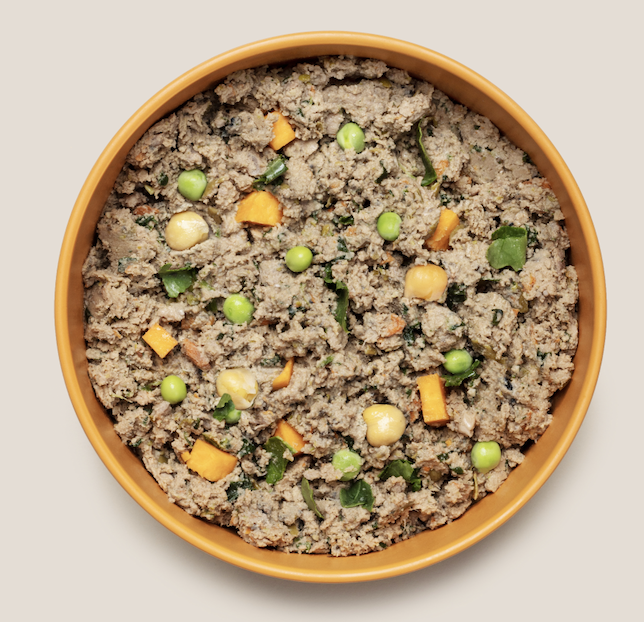
Human-grade food contains real, recognizable ingredients: whole meats, vegetables, and fruits you’d find in your own kitchen. You won’t see by-product meals or rendered ingredients on the label. Here’s what the standard covers:
- Ingredients: Every component is safe for human consumption
- Facilities: Manufacturing plants meet human food safety regulations
- Handling: Compliance is maintained from sourcing through final packaging
Human-grade vs. feed-grade dog food
Ingredient quality
Feed-grade dog food can include by-products, rendered meals, and ingredients that wouldn’t pass inspection for human consumption. Human-grade food uses whole, identifiable ingredients you can actually recognize.
Manufacturing and safety standards
Feed-grade dog food is legally defined as “material that has been determined to be safe, functional and suitable for its intended use in animal food, is handled and labeled appropriately, and conforms to the Federal Food, Drug and Cosmetic Act.” Most commercial pet food falls into this category — and if even one ingredient is not suitable for human consumption, the entire product cannot be labeled human-grade. This means there’s significant variation in the quality of feed-grade foods, so it’s important to read ingredient labels carefully and watch for red flags like fillers, by-products, added sugars, or artificial dyes.
Feed-grade facilities follow pet food regulations, which are less stringent than human food standards. Human-grade manufacturers operate under the same rules as companies making food for people—more inspections, stricter protocols, and higher accountability.
Nutritional value and digestibility
Because human-grade food is minimally processed, it often retains more of its original nutrients. Many dogs digest it more easily, which can mean better nutrient absorption and less waste.
| Factor | Human-Grade | Feed-Grade |
|---|---|---|
| Ingredient quality | Safe for human consumption | May include by-products, rendered meals |
| Facility standards | Human food safety regulations | Pet food regulations only |
| Processing | Gently cooked, freeze-dried, or air-dried | Often highly processed (extruded kibble) |
| Additives | Typically free from artificial colors/preservatives | May contain artificial additives and fillers |
Benefits of human-grade dog food
Higher digestibility and nutrient absorption
Gentle processing preserves the nutritional integrity of ingredients. Your dog’s body can absorb more from each meal, which often means smaller portions and less digestive upset. If you’re wondering whether fresh dog food is safe, the short answer is yes — when it’s made to human-grade standards, it’s held to the same safety protocols as the food on your own plate.
Improved coat, skin, and energy levels
Many pet parents notice visible changes after switching: a shinier coat, healthier skin, and more energy on walks. Quality ingredients support your dog’s overall vitality.
Exceptional proteins
Not all meat is created equal. Most protein in kibble-based dog food is unfit for human consumption. Human-grade dog food uses the same cuts you’d serve at home—delivering higher nutritional value, healthy fats, and better flavor than feed-grade proteins.
Increased moisture content for better hydration
Like people, your dog’s body is about 80% water. Dry food diets can leave dogs chronically dehydrated, forcing their bodies to work at suboptimal levels. Human-grade food is naturally hydrating because fresh proteins, fruits, and vegetables have a high moisture content.
Better palatability for picky eaters
If your dog turns their nose up at kibble, fresh human-grade food often changes the game. The natural flavors and textures appeal to dogs who’ve been unimpressed by their usual meals.
Fewer fillers and artificial additives
Human-grade foods typically skip the artificial colors, preservatives, and fillers that offer no nutritional value. What’s in the bowl actually serves a purpose.
Transparency in sourcing and ingredients
Reputable human-grade brands are upfront about where their ingredients come from. You can trace what’s in your dog’s food back to real sources—not vague labels.
What to consider before switching
Cost
Human-grade food typically costs more than conventional kibble. The higher price reflects ingredient quality and manufacturing standards.
Storage and shelf life
Fresh human-grade food often requires refrigeration or freezer storage. Freeze-dried or air-dried formats are shelf-stable and may be more convenient depending on your space and routine.
Transitioning your dog
Switching foods too quickly can upset your dog’s stomach. Transition gradually:
- Replace a small portion of your dog’s current food with human-grade food
- Gradually increase the ratio over 7–10 days
- Watch for digestive changes and adjust the pace as needed
Tip: If your dog has a sensitive stomach, extend the transition to two weeks for a smoother adjustment.
Human-grade kibble vs. fresh human-grade food
Yes, kibble can be human-grade too—though the formats work quite differently.
Traditional kibble uses high-heat extrusion, which can degrade some nutrients. Fresh human-grade food is gently cooked at lower temperatures, preserving more nutritional value. Some brands offer human-grade kibble alternatives like air-dried or baked options that fall somewhere in between.
Fresh food requires refrigeration but offers higher moisture content, benefiting hydration and digestion. Some pet parents use fresh food as the main diet and keep human-grade kibble on hand for travel or convenience.
How to choose human-grade food for your dog
- Consider your dog’s age, size, and activity level. Puppies, seniors, and highly active dogs have different nutritional requirements.
- Check for AAFCO nutritional adequacy statements. “Human-grade” doesn’t automatically mean “complete and balanced”—verify the AAFCO statement on the label.
- Look for transparent ingredient sourcing. Vague labels are a red flag. Reputable companies are proud to share their sourcing.
- Evaluate customization options. Some brands build meal plans around your dog’s specific profile—like Ollie’s quiz-based approach.
Give your dog fresh human-grade food made for them
Choosing human-grade food is one of the most meaningful ways to support your dog’s health. The ingredients are cleaner, the standards are higher, and the results often speak for themselves—shinier coats, better digestion, and bowls licked clean.
At Ollie, we make it easy. Take a quick quiz about your dog, and we’ll build a custom meal plan with fresh, human-grade recipes delivered right to your door. Plus, our Health Check-Ins help you stay on top of how your dog is doing day to day.
FAQs
Do vets recommend human-grade dog food?
Many veterinarians support human-grade diets when they’re complete and balanced, though recommendations vary based on your dog’s individual health. Always discuss any diet change with your vet, especially if your dog has specific health concerns.
Is human-grade dog food better than kibble?
Human-grade food often offers higher digestibility and fewer additives than conventional kibble. Whether it’s “better” depends on your dog’s situation and your lifestyle—some pet parents find a combination of both works well.
How much does human-grade dog food cost per month?
Costs vary by brand, dog size, and whether you use it as a complete diet or a topper. Expect to pay more than traditional kibble, but many pet parents find the health benefits worth the investment.
How long does fresh human-grade dog food last?
Fresh human-grade food typically lasts several days in the refrigerator and several months in the freezer. Always check the brand’s specific storage guidelines.
Can you mix human-grade food with kibble?
Yes. Many pet parents use human-grade food as a topper or mix it with kibble to boost nutrition and palatability. This can also help stretch your budget while still improving your dog’s diet.
Is human-grade dog food safe for puppies?
Human-grade food formulated for “all life stages” or specifically for puppies is safe. Verify the AAFCO statement on the packaging to confirm it meets nutritional requirements for growth.
Can raw pet food be human-grade?
Not in the US. The USDA requires human-grade food to be human edible, and raw meat does not meet that standard. Any raw pet food brand claiming “human-grade” in the US is not using the term accurately
Can humans eat dog food?
The term “human-grade” applies only to pet food. Food intended for human consumption must stay in the human food supply chain and comply with all FDA requirements for handling, storing, and labeling.
So could you technically eat your dog’s human-grade food? Probably without getting sick — but it’s not formulated for human nutritional needs or the human palate. And your dog probably won’t want to share.
The bottom line on human-grade dog food
Human-grade dog food isn’t just a marketing term — it’s a meaningful standard backed by federal regulations that governs everything from the ingredients in your dog’s bowl to the facility where they were made. For dog parents who want to feel confident about what they’re feeding, it’s one of the clearest signals of quality available. Whether you make a full switch to fresh or start by mixing human-grade food with your dog’s current diet, any step toward higher-quality nutrition is a step in the right direction for your pup’s long-term health.
Tagged As:

The nutrition your dog needs,
the food they want.
Written by:
Marissa Taffer is a consultant, writer and strategist based in Philadelphia. She lives and works with her rescue dog Charlie, a certified therapy dog.



Enjoying our articles? Subscribe our Newsletters and get new articles directly to your inbox
You might also like

30 September 2026
4 MINS READ
Is Fresh Dog Food Safe?
Fresh dog food is safe when made, stored, and served correctly. Learn common safety concerns, proper handling and storage tips, and how gently cooked meals protect your dog’s health while deliverin…
by Christine Miller, Director of Food Safety, Quality, and Regulatory
26 September 2026
9 MINS READ
How Ollie’s Fresh Food Meets (and Exceeds) WSAVA Guidelines on Selecting Pet Foods
Discover how Ollie’s fresh dog food recipes go above and beyond WSAVA standards to deliver complete, balanced, and evidence-based nutrition.
by Christine Miller, Director of Food Safety, Quality, and Regulatory
23 September 2026
11 MINS READ
What Is the Best Meat for Dogs? Healthiest Dog Food Protein Options
Choosing the best meat for dogs isn’t always simple, every protein has its pros and cons. In this guide, I break down the top meats for dog food, what makes them healthy, and how to pick the righ…