[EXCLUSIVE] Ollie Blog readers! 70% OFF your First Box + FREE Ollie Hat (for You!) AND Bandana (for Pup!) Try now!
2 September 2016
2 MINS READ
The Dog First Aid Advice You Need to Know
You may know how to do the Heimlich, and you’d probably sign up for an infant first aid class if you were going to have a baby. But chances are you’d have no idea what to do if your dog stopped breathing or needed you to treat his bee sting stat. Yes, CPR and other […]
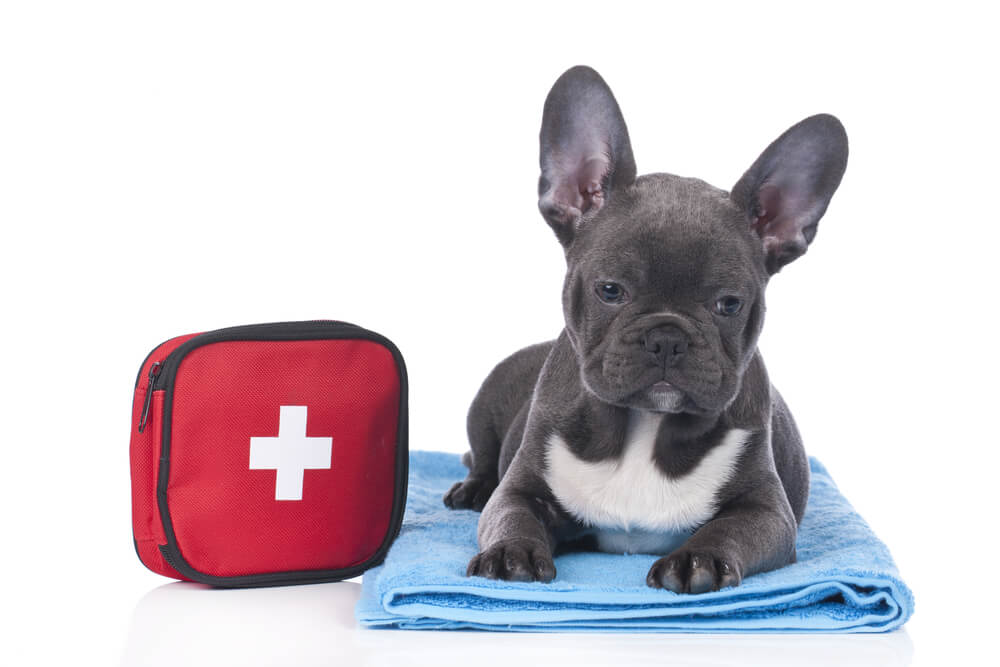

You may know how to do the Heimlich, and you’d probably sign up for an infant first aid class if you were going to have a baby. But chances are you’d have no idea what to do if your dog stopped breathing or needed you to treat his bee sting stat.
Yes, CPR and other dog first aid techniques are a real thing, a real important thing. Not only do they exist, but there are experts out there who can teach them to you, like Denise Fleck, a Hollywood-based owner of four dogs and three cats, who teaches a pet first aid and CPCR class (short for cardiopulmonary cerebral resuscitation).
Just like with humans, you’d use CPCR for a dog whenever he is not breathing or doesn’t have a pulse, Fleck says. Slightly different techniques are used depending on the size of the dog, but it involves checking the airway to making sure it’s clear, laying him on his side and manually compressing his chest.
Fleck offers classes in the Los Angeles area and sometimes throughout the country—check out her fall tour of the Southern US to see if she’s coming to a city near you. You can also find other CPR and first aid classes by searching Pettech.net. In the meantime, Fleck shared a few of her helpful in-case-of-emergency pointers with us:
If your dog is bleeding
Apply pressure to the area and elevate it above the heart, then add pressure to a pressure point (i.e., a major artery, the base of the tail) to diminish the blood flow to the limb and minimalize the blood loss.
If your dog is choking
Give them a big bear-like hug. Put your fist in the soft part of their belly behind their last rib, lean your chest or stomach into them and pull them against you.
If your dog gets stung by a bee
Give them one milligram of Benadryl per pound that your pet weighs and apply a cold pack to decrease the swelling. If they are having breathing difficulty, get them to the vet immediately.
First aid essentials to keep at home
A thermometer (a human one is fine for under the tail, but you’ll need a dog thermometer for their ears—it should be 101 F), hydrogen peroxide (to induce vomiting in case of poisoning), a tick remover and a muzzle (in case your pet is hurt because they could bite due to extreme pain).
Call your vet or an animal hospital in an emergency. It is best to be trained in these techniques before attempting them.
The Ollie blog is devoted to helping pet parents lead healthier lives with their pups. If you want to learn more about our fresh, human-grade food, check out ollie.com.
Tagged As:

The nutrition your dog needs,
the food they want.
Written by:





Enjoying our articles? Subscribe our Newsletters and get new articles directly to your inbox
You might also like
31 August 2026
6 MINS READ
How Long Does Fresh Dog Food Last In The Fridge?
Fresh dog food lasts up to 4 days in the fridge once thawed or opened. Get expert food safety tips on proper storage, freezing, and spotting signs of spoilage from our Food Safety team.
by Christine Miller, Director of Food Safety, Quality, and Regulatory

13 August 2026
6 MINS READ
Puppy Gas: 5 Reasons Your Dog Is Gassy & What To Do About It
Dog gas (i.e., flatulence) can be the butt of many jokes, but this stinky sign may indicate that your pooch has serious digestive distress. Understanding the origins of your pup’s odor can help c…

24 June 2026
12 MINS READ
The Ultimate Dog Food Ingredient Guide: How Much Do Ingredients Actually Matter?
Staring at a dog food label shouldn’t feel like reading a chemistry textbook. Learn how to decode the first 5 ingredients, spot marketing red flags, and understand why your pup needs nutrients, not…