[EXCLUSIVE for Ollie Readers!] 70% off + FREE jerky + FREE Puzzle Toy (it’s back!) Try now!

Reviewed by: Catherine Carchedi, MS, DVM; Lindsay Cassibry, MPH, DVM; and Brittany White, PhD.
Key Takeaways
- Plain, unseasoned white-meat turkey with no skin or bones is the safest way to share the main event.
- Plain sweet potatoes, green beans, pumpkin puree, carrots, and apples (no core or seeds) make great dog-safe sides.
- Mashed potatoes and cranberries are only safe plain—set a portion aside before butter, sugar, or seasoning go in.
- Stuffing, gravy, xylitol, raw bread dough, grapes, raisins, and macadamia nuts are a firm no.
- Follow the 90/10 rule: treats and table scraps should make up no more than about 10% of your dog’s daily calories.
The smells of Thanksgiving are drifting through the house. The oven’s been on since dawn, the counters are covered in prep bowls, and right in the middle of the kitchen is your pup, giving you their very best “I haven’t eaten in weeks” performance. When you’re obsessed with your dog’s health and happiness, it’s only natural to want them in on the biggest meal of the year. They’re family, after all.
So as you look at the spread, you’re probably wondering: what Thanksgiving foods can my dog eat? Plenty of them, as it turns out. The rich butter, heavy seasonings, and traditional desserts do mean a few dishes are best saved for the humans, but there’s a lot your pup can enjoy. Here’s how to share the day safely, which sides need a quick modification first, and which ingredients to keep well out of reach. (Celebrating more than Thanksgiving this season? Our guide to what holiday foods dogs can eat covers Christmas, Hanukkah, and Kwanzaa menus too.)
The Main Event: Can My Dog Eat Thanksgiving Turkey?
When people ask what to give their dog for Thanksgiving, the star of the show is the first thing that comes to mind. The good news: yes, your pup can enjoy some turkey, with a few important rules.
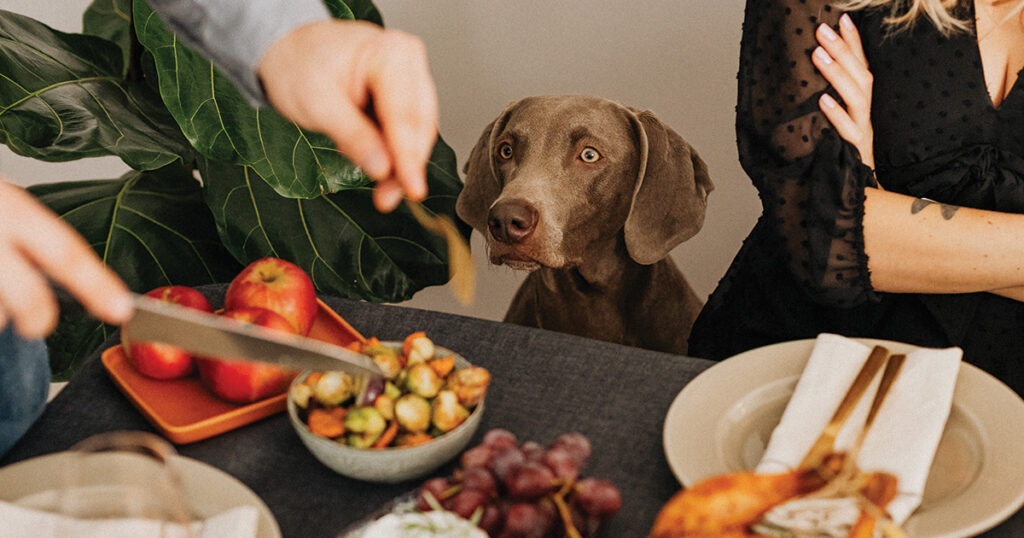
Turkey is a lean, highly digestible protein, but the way we cook it for the table is what makes it risky. Serve it plain, unseasoned, and fully cooked, and stick to white breast meat, the leanest part of the bird. Skip the skin, which is fatty and usually rubbed with butter and seasoning that can upset your pup’s stomach or contribute to pancreatitis. And never offer cooked bones, since they can splinter. The simplest approach: pull out a small portion of unseasoned white meat before you baste or season the rest.
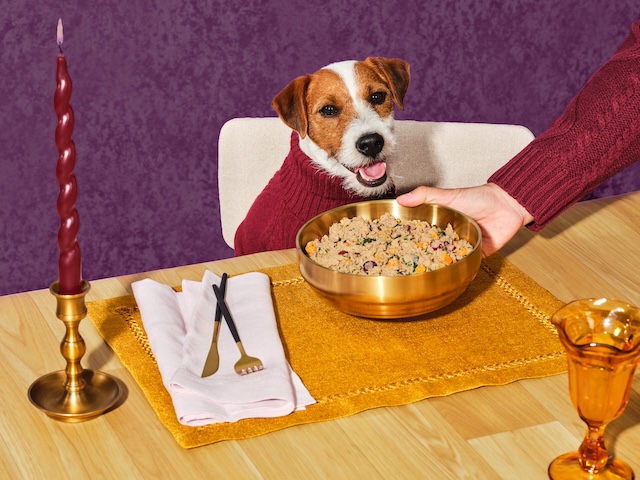
Want your pup to feel part of the feast without the guesswork? Ollie has two turkey options made for exactly this: our year-round Fresh Turkey recipe and the limited-edition Holiday Feast.
Safe to Share: Thanksgiving Foods Your Dog Can Enjoy
You can build a nutritious, dog-safe plate from the plain versions of your favorite sides, pulled aside before they get folded into casseroles. Here’s what’s safe to share.
- Plain sweet potatoes. A nutritional powerhouse for pups, packed with fiber, beta-carotene, and vitamins A, B6, and C. Baked, boiled, or mashed and served plain, they’re a great addition to your dog’s plate. Just keep the casserole for yourself—the brown sugar, butter, pecans, and marshmallows are all things your pup doesn’t need. Scoop out a plain piece before the sweet stuff goes in.
- Plain green beans. A satisfying crunch with almost no calories, plus fiber, iron, and vitamins. Serve them raw, steamed, or boiled, as long as they’re fully unseasoned. The green bean casserole stays with the humans, though: the fried onions, mushroom soup, and heavy cream are too rich, and onions aren’t safe for dogs.
- Plain pumpkin puree. Wonderful for a dog’s digestion thanks to all that fiber, and it can help settle an unsettled stomach. Use 100% pumpkin puree, never pie filling, which is loaded with sugar and spices like nutmeg. A spoonful mixed into their regular food is a festive, gut-friendly addition.
- Fresh carrots and apples. Before they’re cooked into glazes or pies, both make excellent snacks. Raw or steamed carrots are good for your pup’s teeth and rich in vitamin A, and a few apple slices are a sweet, crunchy favorite. Just remove the apple core and all the seeds first, since the seeds contain trace amounts of cyanide.
The “It Depends” List: Thanksgiving Sides That Need Modifications
Some holiday foods aren’t toxic on their own, but the way they’re usually made turns them into a risk. You can share these, as long as you set a portion aside before the butter and seasoning go in.
- Mashed potatoes. Can dogs eat mashed potatoes? Plain, yes. Boiled or baked potatoes are safe on their own; the trouble is the cream, butter, salt, roasted garlic, and chives they’re usually loaded with, which can lead to real stomach upset (and garlic isn’t safe for dogs). If you want to share, pull a few boiled potatoes before the add-ins and mash them plain with a fork.
- Cranberry sauce. Cranberries are safe for pups in small amounts and can even support urinary tract health, but raw ones are so tart most dogs turn up their nose. The sauce on your table, canned or homemade, is packed with sugar to counteract that tartness, so it’s best skipped. To share, simmer a small handful of plain cranberries in water until they pop, cool them, and mix a few into your dog’s bowl.
Keep Away: Toxic Thanksgiving Foods for Dogs
A few human foods are genuinely dangerous for dogs, so these are a firm no for sharing.
- Stuffing and dressing. Stuffing may be the most beloved dish on the table, but it’s one of the least safe for dogs. Most recipes lean heavily on onions, garlic, shallots, and scallions—all part of the allium family, which is toxic to dogs and can damage their red blood cells. Even small amounts, cooked or raw, are a problem, so keep the dressing out of reach.
- Gravy and high-fat drippings. It’s tempting to spoon a little gravy over your pup’s food, but it’s essentially concentrated fat, salt, and flour, often with garlic and onion powder mixed in. That much fat can bring on pancreatitis. If you want to moisten their meal, use a little plain, low-sodium chicken broth instead.
- Sugar-free desserts and xylitol. If you’re baking anything sugar-free for health-conscious guests, keep it well away from your dog. Many sugar-free recipes use xylitol (sometimes labeled birch sugar), which is very toxic to dogs even in tiny amounts and can cause a dangerous drop in blood sugar, along with more serious effects. Store any artificial sweeteners securely.
- Unbaked bread dough. If homemade rolls are on the menu, keep your pup out of the kitchen while the dough rises. Raw dough keeps expanding in the warmth of a dog’s stomach, which causes painful bloating, and the fermenting yeast produces alcohol as it works. Both are serious, so rising dough should stay well out of reach.
- Grapes, raisins, and macadamia nuts. Keep fruit salads, charcuterie boards, and nut pies away from the counter’s edge. Grapes and raisins are highly toxic to dogs and can cause sudden kidney failure, even in small amounts. Macadamia nuts are also toxic, and pecans and walnuts are best avoided too, since they’re high in fat and can carry molds that don’t agree with dogs.
How to Plate the Perfect Dog Thanksgiving Dinner
Now that you know what’s safe, you can put together a festive plate your pup will love. Before you pile it high, keep the 90/10 rule in mind: about 90% of your dog’s daily calories should come from their complete, balanced dog food, and only about 10% from treats—table scraps and holiday sides included.
A simple, balanced plate looks like:
- Their normal portion of food as the base
- A few small shreds of unseasoned, skinless white turkey meat
- A spoonful of plain pumpkin puree
- A couple of plain cooked green beans for crunch
This lets them enjoy the festive flavors without throwing off their nutrition.
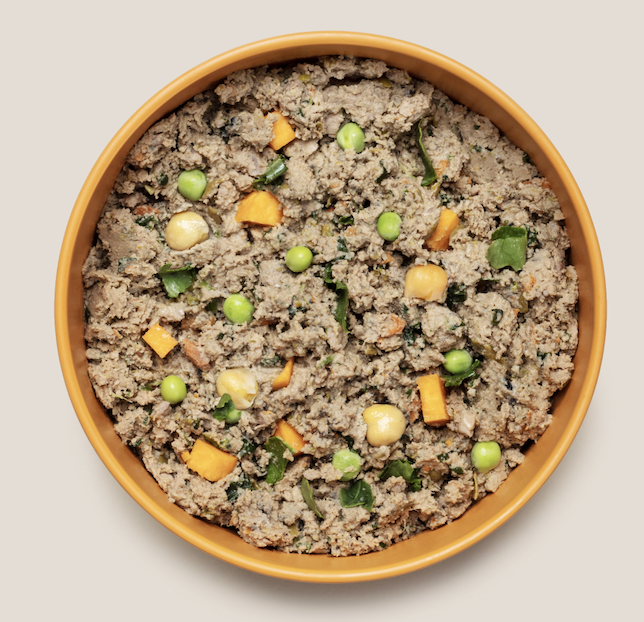
Want to make it truly special? This year, Ollie is bringing pups to the table with Holiday Feast, a limited-edition fresh recipe. It plates up the whole season in one bowl: turkey and turkey liver take center stage, velvety butternut squash brings beta-carotene and roasted-side warmth, a harvest blend of sweet potatoes, potatoes, and green beans supports smooth digestion, and a pop of antioxidant-rich cranberry finishes it off. It’s all the flavors your pup would angle for at the table, made with fresh, human-grade ingredients and portioned conveniently for them. Curious how it came together? Read how our Food & Science team built Holiday Feast.
Managing the Relatives: Keeping Table Scraps Under Control
You might know exactly what your dog can eat on Thanksgiving, but your extended family may not. Well-meaning guests are the biggest wildcard of the day. Uncle Bob might think slipping a piece of turkey skin under the table is a gesture of love, but you’re the one dealing with the fallout at 3 a.m. Before everyone sits down, set a clear ground rule: your pup’s on a special diet, and no table scraps, please.
If your dog is a determined beggar, the easiest fix is a delicious distraction. Give them their own spectacular meal in a separate room while the humans eat, and they’ll be far too busy to campaign for yours.
However you celebrate, a little planning turns Thanksgiving into a good day for the whole family, pups included. Keep the heavy casseroles for the humans, and set the plain, fresh ingredients aside for your pup.
The Ollie blog is devoted to helping pet parents lead healthier lives with their pups. If you want to learn more about our fresh, human-grade food, check out ollie.com. Elizabeth Wieck contributed to this article, and it was reviewed by our in-house team of veterinarians and scientists, Catherine Carchedi, MS, DVM; Lindsay Cassibry, MPH, DVM; and Brittany White, PhD.
Disclaimer: This article and the Ollie blog is for informational purposes only and is not a substitute for professional veterinary advice, diagnosis, or treatment. If your dog is showing signs of illness and/or injury, always consult your veterinarian promptly. Every dog is different, and any dietary change should be discussed with your veterinarian. Ollie is not a prescription or therapeutic diet and is not intended to prevent, treat, or manage any medical condition. Always work with your vet to determine the best care plan for your individual pup, especially if they’ve been diagnosed with a health condition.
Tagged As:
The nutrition your dog needs,
the food they want.
Written by:
Lindsay Cassibry, MPH, DVM Dr. Lindsay Cassibry is the Veterinarian at Ollie and brings over 8 years of veterinary experience, combining her expertise in veterinary science, nutrition, and public health to advance pet nutrition and overall animal wellness. She holds a Doctorate in Veterinary Medicine from Louisiana State University, a Master’s in Public Health from St. George’s University, and a Bachelor’s in Nutrition from the University of Alabama. With this strong academic foundation, Dr. Cassibry has specialized in veterinary nutrition, further honed by her experience at DIG Labs, where she led innovative research in pet health solutions. At Ollie, Dr. Cassibry is dedicated to pushing the boundaries of veterinary nutrition, continually working to enhance the health and well-being of pets everywhere.


Enjoying our articles? Subscribe our Newsletters and get new articles directly to your inbox
You might also like
3 November 2026
6 MINS READ
What Holiday Foods Can Dogs Eat? Your Complete Guide to Safe Seasonal Feasting
Which holiday foods can dogs safely eat? See what to share, what to avoid, and a menu-by-menu cheat sheet for Thanksgiving, Christmas, Hanukkah, and Kwanzaa.
30 September 2026
4 MINS READ
Is Fresh Dog Food Safe?
Fresh dog food is safe when made, stored, and served correctly. Learn common safety concerns, proper handling and storage tips, and how gently cooked meals protect your dog’s health while deliverin…
by Christine Miller, Director of Food Safety, Quality, and Regulatory
26 September 2026
9 MINS READ
How Ollie’s Fresh Food Meets (and Exceeds) WSAVA Guidelines on Selecting Pet Foods
Discover how Ollie’s fresh dog food recipes go above and beyond WSAVA standards to deliver complete, balanced, and evidence-based nutrition.
by Christine Miller, Director of Food Safety, Quality, and Regulatory