Hey Ollie blog readers! We’re offering you an exclusive 50% OFF your starter box! Try now!
25 February 2026
5 MINS READ
The Science of Dog Food Palatability: Why Your Pup Loves Certain Foods
Ever wonder why your dog inhales some meals but turns their nose up at others? Discover the fascinating science behind dog food palatability, from the power of their super-sniffer to the evolutionary reasons pups crave fresh food over dry kibble.
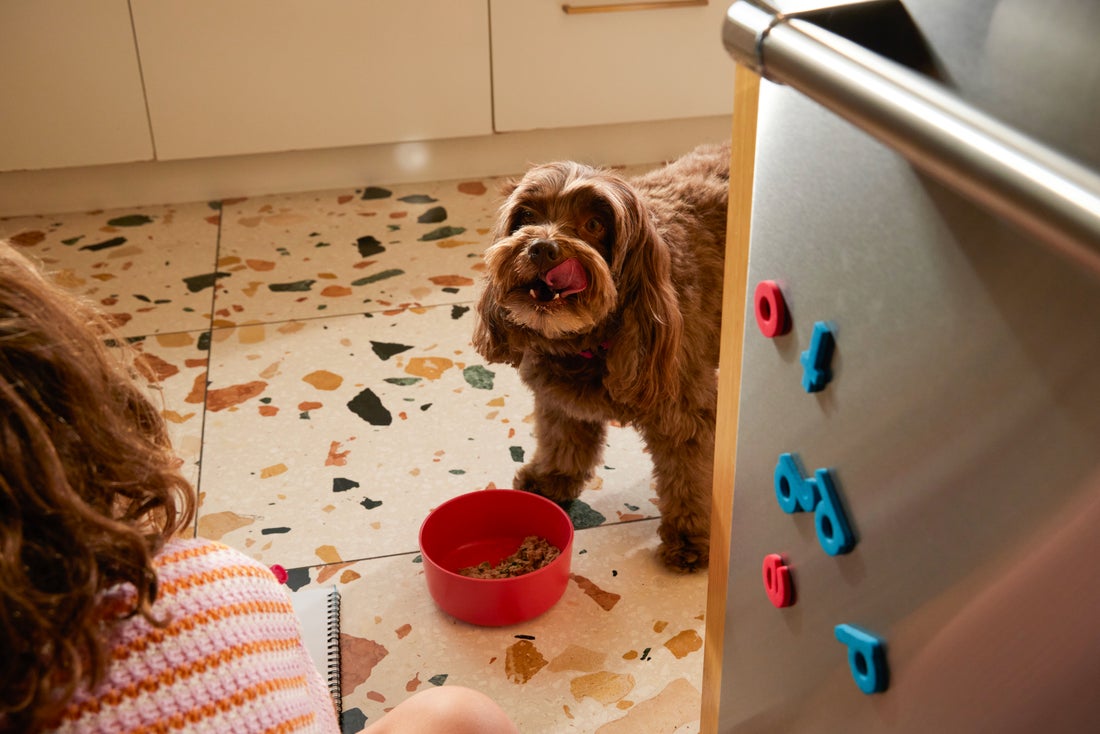

Ever wonder why one dog inhales their bowl in seconds, while another sniffs at it and walks away? Dog food palatability, or what makes food delicious to your dog, isn’t simply about taste. It’s also about evolutionary biology, sensory perception, and nutritional chemistry working together.
At Ollie, we focus on fresh dog food because the closer a meal resembles real meat—which is in their DNA to consume as descendants of wolves—the more it aligns with how dogs evolved to eat. To understand what makes food truly appealing to pups, you have to start with how dogs actually experience a meal: through freshness, smell, texture preferences, moisture, and flavor.
In this guide, we’ll dive into all of that, and pull back the curtain on how the pet food industry relies on masking agents and flavor enhancers for dogs in dry kibble to force palatability. Let’s look at the science behind what’s really happening in your dog’s nose and mouth at dinnertime.
Dog Sense of Smell vs. Taste: The Nose Knows
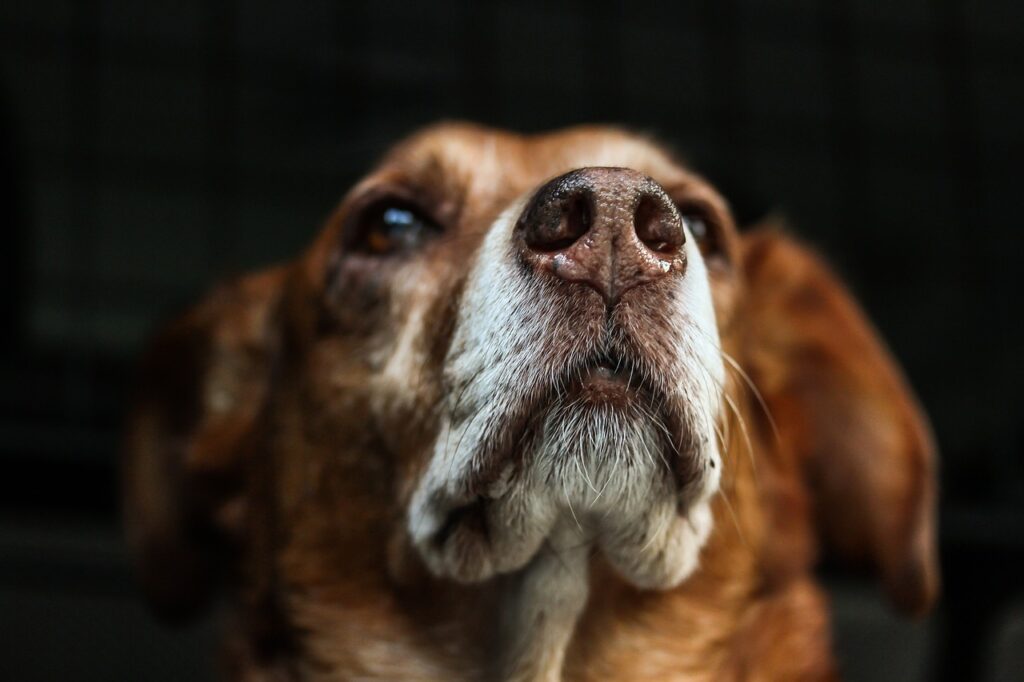
Dogs don’t perceive food in the same way that humans do. While we have about 10,000 taste buds in our mouths, dogs have closer to 20,000—meaning they’re experiencing taste on an entirely different level than we are. Despite that, their nose is their superpower when it comes to eating, and aromas are often more influential than flavor itself (2). Your pup has a highly developed olfactory system, which includes the vomeronasal Jacobson’s organ that allows them to taste aroma compounds the moment food enters their mouth (1).
This explains why freshness matters. Despite the stereotype that dogs dig in the trash because they love foul odors, they are biologically wired to avoid smells associated with spoilage and decay, which signal potential microbial danger. Dogs also show a strong aversion to bitter compounds as an evolutionary safeguard against toxins. Together, these traits mean pups are most attracted to foods that smell like fresh, safe animal tissue rather than heavily oxidized or degraded ingredients.
Dog Food Texture Preferences: Freshness for the Win
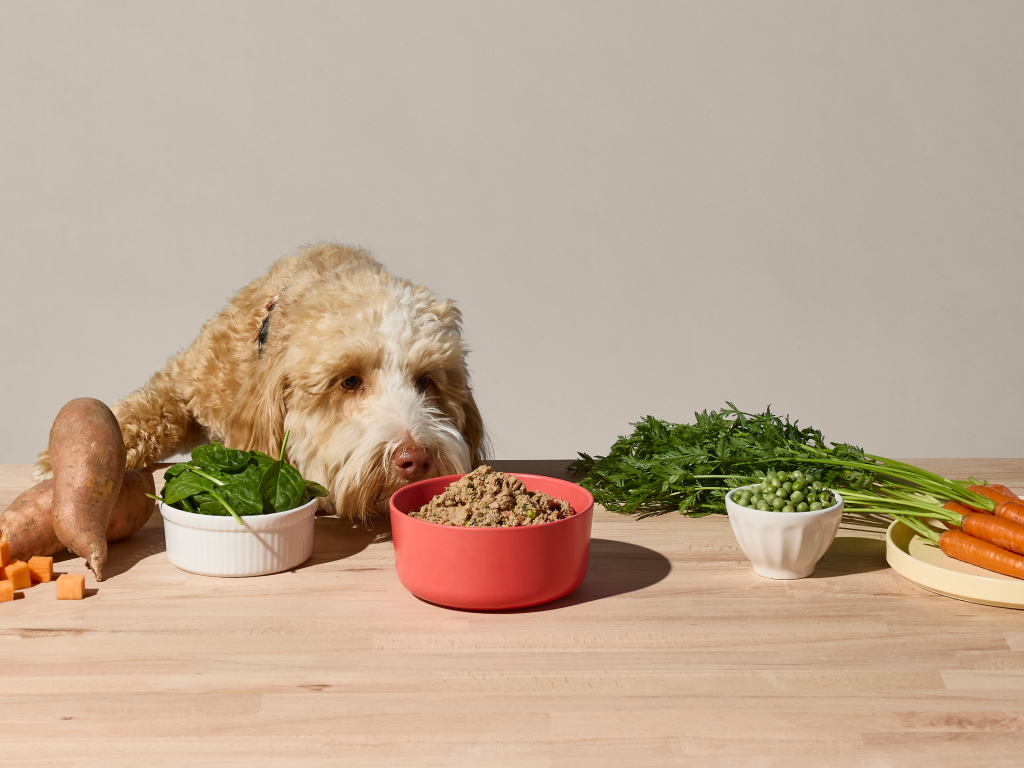
Dogs are biologically wired to prefer moist, fresh food over dry, crunchy kibble. Why? Because the moisture in fresh food is much more similar to the fresh meat their ancestors would have eaten in the wild. It’s more hydrating, easier to eat, and carries a much stronger, more enticing aroma than dry formats.
Studies consistently show that dogs prefer moist diets over dry ones, particularly when protein and fat are present in forms similar to fresh meat. Hard or brittle textures require more effort and can reduce the amount of food they eat, especially in small dogs, seniors, or dogs with dental sensitivity. Moist foods also release aroma compounds more readily during chewing, which enhances sensory stimulation for your pup and makes the meal more enjoyable.
Picky Eating and Taste Preferences
If you’ve ever wondered, “Why is my dog a picky eater?” you’re certainly not alone. Despite the reputation that dogs will wolf down anything, they do in fact have preferences when it comes to what’s in their bowl. And just like humans, sometimes dogs get bored! This is actually an old survival instinct called the “novelty effect”. In the wild, seeking out new flavors helped ensure an animal received a complete and balanced variety of nutrients. If your dog is suddenly acting picky, they might just be experiencing olfactory fatigue from their dry food or looking for a new protein to mix things up.
Aside from obvious sources of flavor like protein, macronutrients can also influence whether a dog is enjoying the taste of their food. Pups inherently show a distinct bias toward energy-dense nutrients—particularly fat and simple sugars—since these provide efficient calories for survival (3). Fiber, by contrast, tends to reduce dog food palatability when added at higher levels, despite the fact that it plays an important role in digestive health (4). At Ollie, we work with veterinary nutrition experts to add just the right amount of fiber for healthy digestion, without ever sacrificing the flavor dogs love.
Liver is another ingredient we use to improve the taste of our fresh dog food. Most dogs go crazy for liver because it is a natural palatability booster. However, there is a sweet spot when it comes to organ meats, and more isn’t always better (scientists call this the “law of diminishing returns”). In Ollie fresh food, we use the exact right amount of high-quality organs to make the food irresistible to your pup without overdoing it.
The Truth Behind Dry Kibble and Flavor Enhancers for Dogs
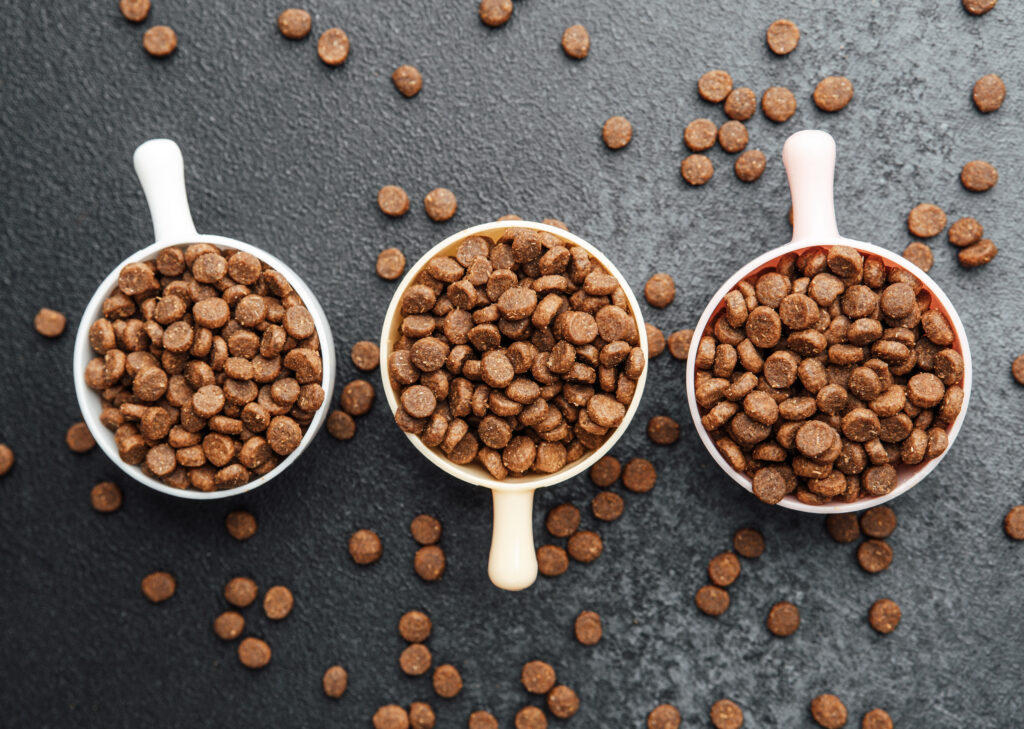
Dry kibble has a palatability challenge when it comes to dog food. During extrusion or baking, much of the natural aroma of its meat is lost. So to compensate, kibble manufacturers rely heavily on palatants, which are coatings applied after cooking to help stimulate your dog’s appetite (5).
The most common palatants in pet food are hydrolyzed animal digests, which are created by breaking down animal tissues into amino acids and peptides. These compounds generate savory odors when sprayed onto kibble. Many palatants also use Maillard reaction products, which are formed when amino acids react with sugars to produce roasted, meat-like flavors. While these roasted, savory flavors occur naturally when cooking meat, in kibble, it is often created with artificial flavoring and added sugars to rebuild aroma after processing.
Luckily, fresh dog food does not require this workaround. Because it is cooked gently and retains its natural fats and proteins, it inherently produces aroma compounds that are palatable to dogs. Instead of relying on a sprayed-on flavor layer, fresh food like Ollie’s delivers deliciousness through real ingredients.
References
- Padodara RJ, Jacob N. Olfactory sense in different animals. Indian Journal of Veterinary Science. 2014;2:1–14.
- Hall NJ, Péron F, Cambou S, Callejon L, Wynne CDL. Food and food-odor preferences in dogs: a pilot study. Chemical Senses. 2017;42(4):361–370. doi:10.1093/chemse/bjx016
- Roberts MT, Bermingham EN, Cave NJ, Young W, McKenzie CM, Thomas DG. Macronutrient intake of dogs, self-selecting diets varying in composition offered ad libitum. Journal of Animal Physiology and Animal Nutrition (Berl). 2018;102(2):568–575.
- Alegría-Morán RA, Guzmán-Pino SA, Egaña JI, Muñoz C, Figueroa J. Food preferences in dogs: effect of dietary composition and intrinsic variables on diet selection. Animals (Basel). 2019;9(5):219.
- Klinmalai P, et al. Modern palatant strategies in dry and wet pet food. Foods. 2025;14(16):2824.
Tagged As:

The nutrition your dog needs,
the food they want.
Written by:
Brittany is the Vice President of Research, Development, & Engineering (RD&E) and Commercial Enablement at Ollie, bringing over 12 years of specialized experience in the pet food industry. Her recent work has been marked by a focus on innovation and strategic leadership, driving advancements in pet food and optimizing product development processes. With a PhD in Food Science from the University of Arkansas, Brittany has established a reputation for her technical expertise and visionary approach. She has authored over 15 peer-reviewed publications, contributing valuable research to the field. Her work has driven significant advancements in product development and formulation in various roles throughout her career. Brittany’s leadership extends beyond her professional roles, as she has been an influential figure in the pet food industry, participating as a speaker at major conferences such as the Pet Food Processing Exchange and Pet Food Forum. She is also actively involved in professional organizations, including the Institute of Food Technologists (IFT) and the American Society of Animal Science (ASAS). At Ollie, Brittany is committed to transforming pet nutrition through cutting-edge solutions, ensuring that every product supports dogs in leading happier, healthier lives.


Enjoying our articles? Subscribe our Newsletters and get new articles directly to your inbox
You might also like
25 February 2026
8 MINS READ
Ollie vs. The Farmer’s Dog Food
Ollie and The Farmer’s Dog are two leading fresh dog food delivery services that allow dog owners to customize their pet’s nutrition. But there are some key differences that may help dog owners…
26 August 2025
4 MINS READ
Is Fresh Dog Food Safe?
If you’re thinking about switching your dog to a fresh food diet, you might be asking yourself: “Is fresh dog food safe?” It’s a smart question—because feeding fresh means you’re worki…
by Ollie Pets
26 August 2025
4 MINS READ
How Do I Know How Much Fresh Dog Food To Feed?
If you’ve switched your pup to fresh food, you’re probably wondering: “How much fresh dog food should I feed?” It’s not as simple as scooping kibble from a bag—fresh food is more nutri…
by Ollie Pets