[EXCLUSIVE for Ollie Readers!] 70% off + A FREE gift of your Choice (Choose your own!) Try now!
22 December 2017
3 MINS READ
Should Coconut Oil Be a Part of Your Pup’s Diet?
When it comes to nutrition trends for humans, coconut oil is at the top of the list—you may have heard it can help with everything from losing weight to staving off disease like diabetes (maybe you’ve used it as a moisturizer, too). But some experts point out that because coconut oil is high in saturated […]
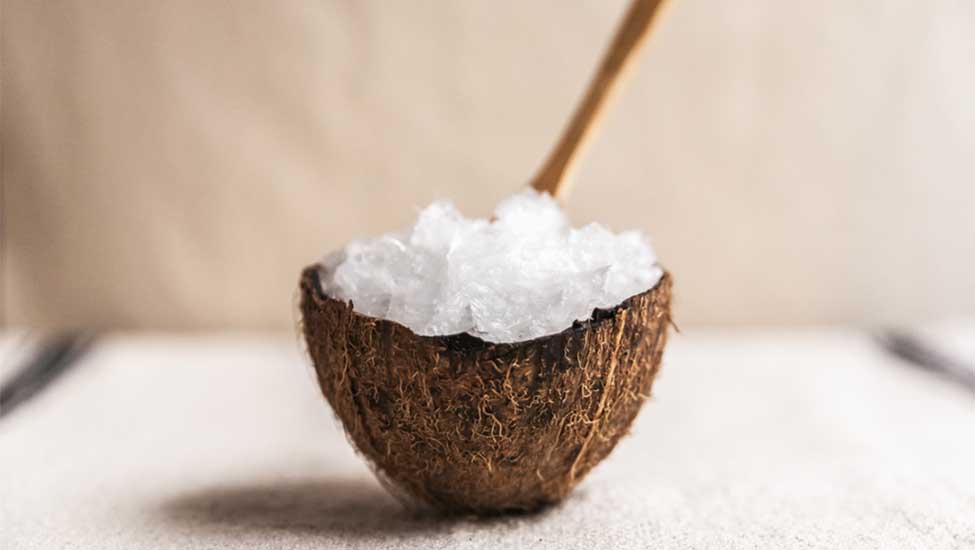

When it comes to nutrition trends for humans, coconut oil is at the top of the list—you may have heard it can help with everything from losing weight to staving off disease like diabetes (maybe you’ve used it as a moisturizer, too). But some experts point out that because coconut oil is high in saturated fats, it could increase the risk of heart disease.
So what about for pups? Some holistic vets say coconut oil can improve your dog’s energy and help with skin and digestive issues. But not all of these claims have been scientifically proven, notes Dr. Babette Gladstein, a veterinarian based in New York. Here, she breaks down the health benefits and potential concerns around coconut oil—and whether it can really keep your dog running like a well-oiled machine.
The Benefits
Just as slathering coconut oil on your skin can help keep you moisturized, applying coconut oil topically to your pup will help improve her skin and coat, says Gladstein. You can simply rub a small amount through your pup’s fur and massage it into the skin—integrating it into their diet can have a similar effect. Coconut oil may also help clear up skin conditions like eczema, notes Gladstein.
Coconut oil can keep your pup’s brain sharp too: “It’s been proven that the fatty acids in coconut oil help improve cognitive function,” says Gladstein. These same fatty acids can also aide in digestion and boost your pup’s energy. According to Gladstein, coconut oil may regulate insulin to some degree, which can help keep your pup’s thyroid levels in check.
The Concerns
Coconut oil is high in saturated fat, so “if your dog is overweight, you should use caution or maybe not even use it at all,” warns Gladstein. What’s more, some dogs may be allergic to coconut oil so if you notice an adverse reaction in your pup, stop using it.
And while coconut oil can help with digestive issues, if a dog is given too much, it can cause diarrhea. Dogs who are prone to pancreatitis should avoid coconut oil altogether. The fatty acids in coconut oil can aggravate and maybe even cause pancreatitis in some dogs, explains Gladstein.
The Bottom Line
“The truth is, just like with people, every dog is unique and will respond differently to coconut oil,” says Gladstein. If you want to try adding it to your dog’s diet, start with a small amount (about 1/4 teaspoon for small dogs) and pay attention to any changes in your dog’s appearance or behavior. If you notice any adverse reaction (including weight gain), stop giving it to your dog and talk to your vet about alternate options. They may recommend fish oil, which has been studied more extensively than coconut oil.
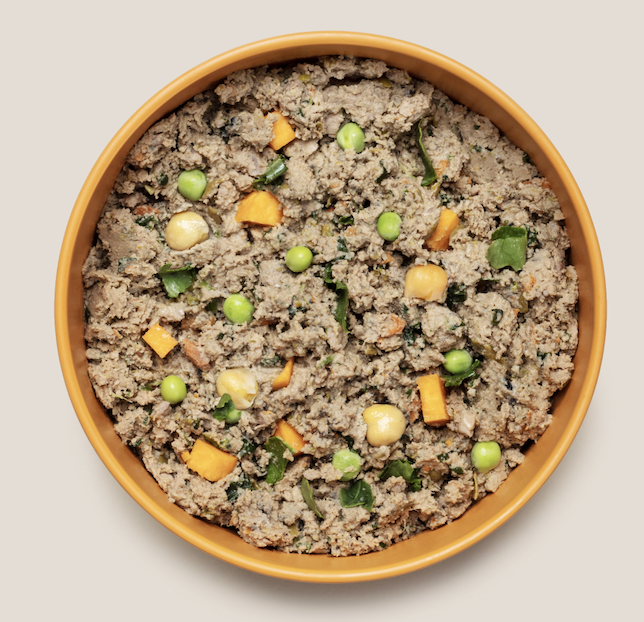
Fun fact: Ollie’s Healthy Turkey Feast recipe contains a small amount of coconut oil, making it a simple and tasty way to to introduce the superfood into your dog’s diet without going nuts.
The Ollie blog is devoted to helping pet parents lead healthier lives with their pups. If you want to learn more about our fresh, human-grade food, check out ollie.com.
Tagged As:

The nutrition your dog needs,
the food they want.
Written by:




Enjoying our articles? Subscribe our Newsletters and get new articles directly to your inbox
You might also like

3 November 2026
7 MINS READ
What Thanksgiving Foods Can My Dog Eat? A Guide to a Safe Feast
Wondering what Thanksgiving foods your dog can eat? See which sides are safe to share, which need modifying, which are toxic, and how to plate a dog-safe holiday dinner.

3 November 2026
6 MINS READ
What Holiday Foods Can Dogs Eat? Your Complete Guide to Safe Seasonal Feasting
Which holiday foods can dogs safely eat? See what to share, what to avoid, and a menu-by-menu cheat sheet for Thanksgiving, Christmas, Hanukkah, and Kwanzaa.

30 September 2026
4 MINS READ
Is Fresh Dog Food Safe?
Fresh dog food is safe when made, stored, and served correctly. Learn common safety concerns, proper handling and storage tips, and how gently cooked meals protect your dog’s health while deliverin…
by Christine Miller, Director of Food Safety, Quality, and Regulatory