[EXCLUSIVE] Ollie Blog readers! 70% OFF your First Box + FREE Ollie Hat (for You!) AND Bandana (for Pup!) Try now!
24 June 2026
12 MINS READ
The Ultimate Dog Food Ingredient Guide: How Much Do Ingredients Actually Matter?
Staring at a dog food label shouldn’t feel like reading a chemistry textbook. Learn how to decode the first 5 ingredients, spot marketing red flags, and understand why your pup needs nutrients, not just fillers, for a longer, happier life.
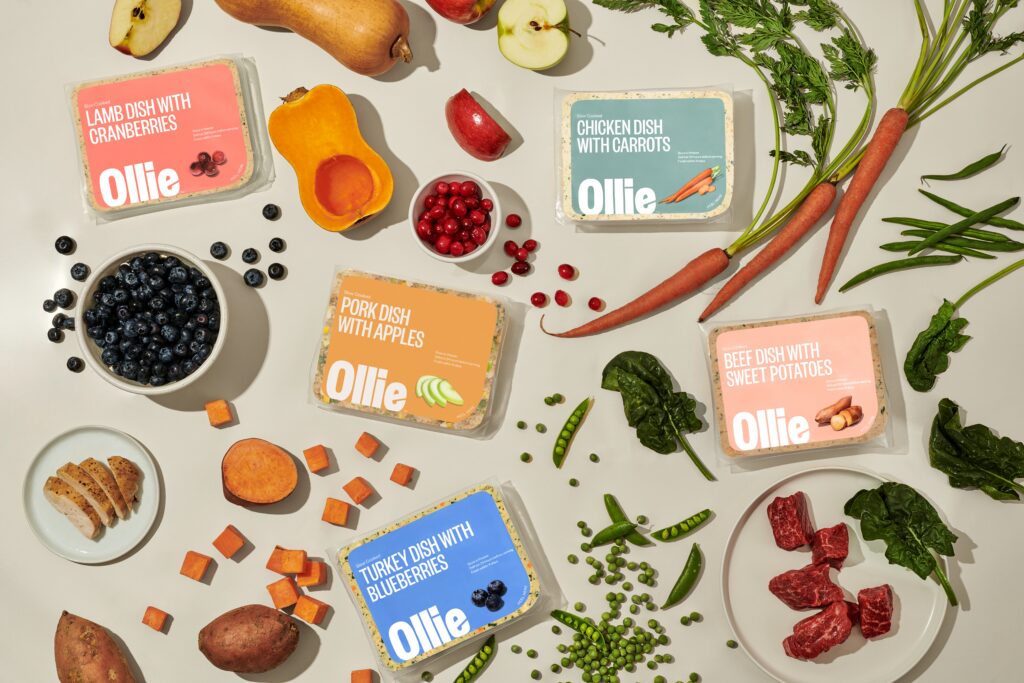

You know the feeling. You’re standing in the pet food aisle, or endlessly scrolling online, staring at a dog food label that reads more like a chemistry textbook than a recipe. You just want what’s best for your pup. Deciphering dog food labels, navigating marketing buzzwords, and figuring out what the top three ingredients actually mean can feel overwhelming.
So, how much do ingredients really matter in dog food? While ingredients are the building blocks, they don’t tell the whole story. At the end of the day, dogs need nutrients, not just ingredients. High-quality sourcing is vital, but it must be paired with science-backed nutrition to ensure a meal is 100% complete and balanced.
This guide will break down exactly how to read a dog food label, what to look for, what to avoid, and why the type of ingredients in your dog’s bowl is the key to more zoomies, better cuddles, and a longer, happier life together.
Why Ingredients Matter: The Digestibility Factor
It’s easy to look at a bag of traditional kibble that lists 30 or more ingredients and assume it must be packed with nutrition. But when it comes to dog food, quality matters significantly more than quantity. The secret isn’t how many ingredients are packed into the formula; it’s about digestibility.
Digestibility is the true measure of ingredient quality. A dog can only benefit from the nutrients their body can digest and absorb. If a food is packed with low-quality fillers, those ingredients will simply pass right through your dog, often resulting in massive, impossible-to-pick-up poops that ruin a perfectly good neighborhood walk.
The Processing Problem
It’s not just about what’s in the food; it’s about how those ingredients are handled before they ever reach the bowl. Traditional kibble often relies on “meals” (like chicken meal or fish meal), which are heavily processed and rendered before pet food production even begins. This “double-cooking” can significantly reduce protein digestibility and damage vital nutrients.
The final extrusion process subjects these already-processed ingredients to extreme heat, often 200F or higher, further impacting the caloric, protein, and fat digestibility. By choosing gently cooked fresh ingredients, you ensure that more bioavailable nutrients and moisture actually make it to your dog’s system.
Nutritional Adequacy vs. Ingredient Quality: Understanding AAFCO Standards
You’ve likely seen “AAFCO-compliant” on dog food labels, but what does this really mean? The Association of American Feed Control Officials (AAFCO) sets minimum nutritional standards, the bare minimum levels of protein, fat, vitamins, and minerals a dog food must contain to be considered “complete and balanced.”
Here’s the critical distinction: AAFCO ensures nutritional adequacy, not ingredient quality. A kibble with by-products and artificial preservatives can meet AAFCO standards. So can a fresh, human-grade meal with whole ingredients. The difference? One dog will thrive; the other will simply survive on minimum nutrition, often with digestive issues, dull coat, and lower energy.
Think of AAFCO like a food safety baseline, necessary, but not sufficient for optimal health. Superior ingredient quality goes far beyond minimum standards.
Decoding the Label: The First 3 to 5 Ingredients
If you want to know what you’re really feeding your dog, the first place to look is the ingredient list. By law, dog food ingredients are listed in descending order by weight before cooking. This means the first three to five ingredients make up the bulk of the recipe.
Understanding “Weight Before Cooking,” Raw meat is approximately 70-75% water. When manufacturers list “beef” as the first ingredient, that ingredient list reflects the raw weight, before moisture is removed during cooking. This is important context: the actual percentage of meat protein in the final kibble is significantly lower than the ingredient list suggests.
What should the top 3 ingredients be in dog food? Ideally, you want to see high-quality, whole-food, animal-based protein sources leading the pack.
1. High-Quality Animal Protein
Dogs need protein to build and maintain muscle, repair tissue, and sustain their energy for those sudden bursts of playtime. Real meat, like beef, chicken, turkey, or lamb, should always be the first ingredient. If your dog has specific allergies, novel proteins like pork, lamb, turkey, duck, venison, or rabbit are excellent alternatives.
What to look for:
- Named meat sources (beef, chicken, lamb, fish, turkey)
- USDA-certified proteins (indicates human-grade sourcing)
- Single-source vs. multiple proteins (important for dogs with sensitivities)
What to avoid:
- “Meat meal” or “meat by-products” these are rendered, low-digestibility ingredients
- “Poultry” or “animal protein” too vague to determine quality or source
- Multiple meat sources in the top 3 ingredients (may complicate allergy identification)
When real meat is the star of the show, you’ll see a profound difference in their vitality. Strong joints mean they can keep following your every move from the kitchen to the couch.
2. Digestible Carbohydrates
Dogs need energy, but they don’t need processed grains that offer little nutritional value. Instead, look for easily digestible, whole-food carbohydrate sources in the top five ingredients. Sweet potatoes, rice, oatmeal, peas, and whole carrots provide excellent energy while supporting gut health.
These carbs:
- Provide sustained energy without blood sugar spikes
- Support healthy digestion and stool quality
- Contain fiber for prebiotic benefits
3. Dietary Fiber: The Often-Overlooked Essential
Proper fiber content regulates digestion, maintains stool quality, and helps with weight management, which is critical, considering 50% of U.S. dogs are overweight. Good sources of fiber include whole foods like pumpkin, spinach, carrots, and whole grains.
Why fiber matters:
- Supports healthy, firm stools
- Feeds beneficial gut bacteria (prebiotic effect)
- Helps maintain healthy weight by promoting satiety
- Natural support for anal gland expression
- Helps regulate blood sugar and cholesterol
Better digestion means less gas, which means you’ll need to find someone else to blame when you’re watching a movie on the couch.
Avoid: Highly processed fibers like “powdered cellulose” or “beet pulp” these are cheap fillers with minimal nutritional benefit.
4. Healthy Fats and Oils
Omega-3 and Omega-6 fatty acids are essential for brain development, joint health, and maintaining a sleeker coat that really shines—in real life and in all the pictures currently taking up all your phone storage.
Look for specific, named fat sources like fish oil, flaxseed, or named meat fats. These support:
- Skin barrier function and coat health
- Brain development and cognitive function
- Joint mobility and anti-inflammatory response
- Immune system support
Avoid vague fat sources:“Animal fat” or “poultry fat” without specificity indicates inconsistent sourcing and lower quality.
5. Vitamins and Minerals
These should ideally come primarily from whole foods, though vet-formulated diets will often include carefully balanced vitamin and mineral additions to meet AAFCO requirements. The specific ratios matter significantly, too much calcium or too little zinc can cause serious long-term health issues, which is why vet formulation is critical.
Red Flags: Ingredients to Leave on the Shelf
Just as important as knowing what to look for is knowing what to avoid. If you see these ingredients taking up space on your dog’s food label, it’s a sign that the manufacturer is prioritizing cost over your dog’s well-being.
Controversial Ingredients Explained: By-Products, Meal, and Fillers
Understanding what these terms really mean is crucial for smart shopping.
Meat Meal, Bone Meal, and By-Product Meals
These are rendered, heat-processed byproducts from slaughterhouses, parts deemed unsuitable for human consumption. “Meat meal” is cooked at high temperatures, losing nutrients and digestibility. When you see these ingredients in the top five, you’re feeding your dog a heavily processed ingredient with significantly lower bioavailability than whole meat.
The industry uses these terms as cost-cutting measures. Real chicken is expensive; chicken meal is cheap. The difference in your dog’s health is measurable.
Vague Animal Protein Terms
Watch out for terms like “animal by-products,” “meat by-products,” “animal fat,” or “poultry fat.” These vague names are major red flags. If a manufacturer is using high-quality chicken fat, they will proudly list “chicken fat.” Vague terms mean the source is inconsistent, often sourced from multiple suppliers
Low-Quality Grain Fillers
Ingredients like corn, corn meal, corn gluten meal, and wheat are often used to add bulk to kibble. They have low digestibility and simply act as empty calories. Dogs don’t need grains, they need digestible carbs. The difference: rice or sweet potato (digestible) vs. corn meal (filler).
Artificial Preservatives
Highly processed preservatives like BHA, BHT, and ethoxyquin are often used to artificially extend the shelf life of highly processed kibble. These synthetic additives have been linked to chronic health issues over time (National Institutes of Health – PMC). Unlike mass-produced alternatives, fresh food relies on wholesome ingredients and gentle preparation, often utilizing natural preservatives like vinegar to maintain safety and quality without the need for harsh chemicals.
Artificial Colors and Flavors
Does your dog care if their food is dyed to look like a colorful vegetable medley? Absolutely not. Dogs experience their food primarily through olfaction (smell). While humans prioritize taste and visual appeal, dogs are biologically wired to prefer moist, fresh food with a strong, natural aroma. Artificial colors provide zero nutritional benefit and are common allergens.
Likewise, artificial palatants and flavor enhancers are usually only added to mask the poor taste of low-quality ingredients. When food is genuinely fresh and made with real meat, dogs don’t need chemical flavor dust to get excited. You’ll know the difference when you hear that excited tap-dancing while you scoop their meal.
Human-Grade vs. Feed-Grade: The Ultimate Quality Test
You may have seen the term “human-grade” popping up, but what does it actually mean? It’s not just a fancy marketing term; it represents a massive difference in legal safety standards and ingredient quality.
Feed-grade pet food is regulated under 21 CFR Part 507 (Animal Feed GMPs). This allows for ingredients that would legally never be allowed in human food, including rendered meats and certain by-products. Facilities only need to meet animal feed standards, which are less stringent than human food standards.
Human-grade pet food, on the other hand, is held to the exact same strict FDA regulations as the food you eat (21 CFR 117: Human Food GMPs). This means:
- The facilities are licensed for human food production
- Sanitation practices meet human food standards
- Ingredient sourcing is USDA-certified and human-edible
- Safety testing is more comprehensive
- Cross-contamination protocols are stricter
Human-grade ingredients provide significantly better digestibility and safety for your pup. It’s not marketing, it’s a legally enforceable standard that matters.
Choosing Ingredients Based on Your Dog’s Life Stage, Health, and Digestibility
Every dog is completely unique. What makes one dog thrive might not work for another. Ingredient needs shift across your dog’s life and based on their individual health profile.
Puppies: Building the Foundation
Growing puppies need:
- 25–30% meat inclusion for muscle High inclusion of real meat
- Proper calcium-to-phosphorus ratio (critical for bone development—too much calcium causes joint problems later)
- Highly digestible proteins for rapid growth
- Smaller, more frequent meals to support metabolism
Ingredient focus: Named meat proteins, balanced minerals, whole-food carbs to support sustained energy.
Adult Dogs: Maintenance and Vitality
Healthy adult dogs thrive on:
- Balanced protein (18-25%) with high digestibility
- Named, whole-food ingredients for sustained energy
- Appropriate fat content (10-15%) for skin, coat, and organ health
Ingredient focus: High-quality proteins, healthy fats, digestible carbs, fiber for weight management.
Senior Dogs: Supporting Aging Bodies
Aging dogs benefit from:
- Highly digestible proteins (aging digestion is less efficient)
- Joint-supporting fats (Omega-3s for arthritis support)
- Moisture-rich foods (supports kidney function and hydration)
- Appropriate calorie levels (metabolism slows, but nutrition needs remain)
Ingredient focus: Fresh, gentle foods with anti-inflammatory fats, easily digestible proteins, adequate fiber.
Health-Specific Ingredient Needs
For Dogs with Pancreatitis:
Pancreatitis is inflammation of the pancreas, often triggered by high-fat diets. Dogs with this condition require strict fat restriction.
Critical ingredient adjustments:
- Fat content must be <10% (many regular kibbles are 12-18%)
- Low-fat protein sources: chicken breast (skinless), turkey breast, lean beef, fish
- Avoid: fatty meats, organ meats (rich in fat), oils, treats with fat
- Prescription options: Your vet may recommend prescription low-fat diets formulated specifically for pancreatitis management
- Digestible carbs: rice, sweet potato, plain pumpkin
For Dogs with Seizures:
Certain nutrients influence seizure management. While diet alone doesn’t cure seizures, ingredient choices can support medication effectiveness.
Important considerations:
- Ketogenic diets: Some research suggests medium-chain triglycerides (MCTs) and reduced carbohydrate diets may reduce seizure frequency. Prescription ketogenic diets are available.
- Consistent nutrition: Seizure-prone dogs benefit from stable, consistent meals (same ingredients, same times)
- Avoid triggers: Some dogs’ seizures worsen with food dyes or artificial additives
- Prescription formulations: Royal Canin, Hill’s Science Diet, and other veterinary brands offer seizure-support formulas with specific nutrient profiles
Always consult your vet before changing diet for seizure management.
For Dogs with Food Allergies and Sensitivities:
This is where ingredient selection becomes absolutely critical. To manage sensitivities effectively, focus on these three pillars:
- Prioritize Novel Proteins: If your dog has a known allergy (commonly to beef or chicken), switch to a “novel” protein they haven’t encountered before, such as lamb, pork, or turkey, to reduce the risk of an immune response.
- Identify the First Ingredient: Always check the top of the ingredient list. For sensitive dogs, the primary protein must be clearly identified (e.g., “Fresh Beef” rather than “Meat By-products”) to ensure no hidden triggers are present.
- Avoid Common Fillers: Many sensitivities are triggered by artificial additives, dyes, or low-quality fillers found in mass-produced kibble. Clean, whole-food recipes simplify the digestive process and make it easier to isolate potential allergens.
The Fresh Food Difference
When you strip away the 30+ ingredient lists, the artificial preservatives, and the extreme high-heat processing, what you are left with is just real food.
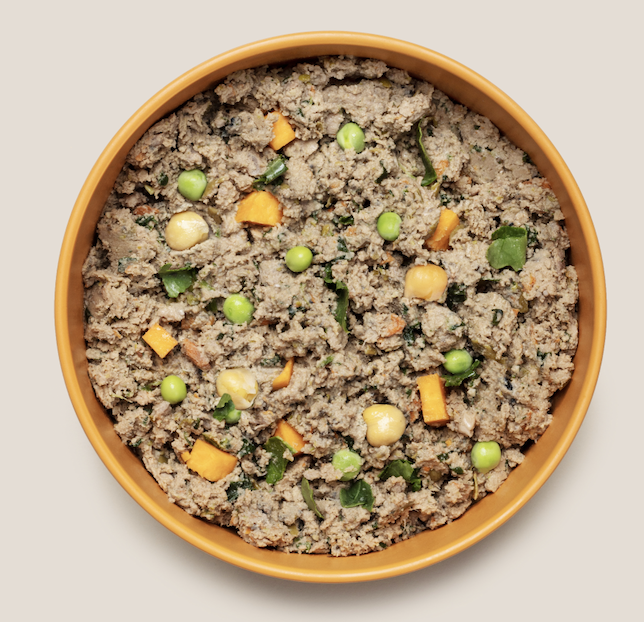
A simple fresh dog meal featuring real meat, fresh vegetables, and healthy fats will drastically outperform a 30-ingredient bag of kibble packed with fillers and by-products. The reason is simple: your dog can actually use what’s in the fresh bowl.
Why Fresh Food Changes Everything
Better digestibility: Fresh ingredients don’t require synthetic binders or fillers. Your dog’s digestive system can efficiently extract nutrition.
Preserved nutrients: Gentle cooking (versus 200°F+ extrusion) preserves heat-sensitive vitamins, enzymes, and amino acids.
Real satiety: Fresh food’s higher moisture content and whole-food satiety signals mean your dog feels genuinely satisfied on smaller portions.
Fewer digestive issues: Simplified, high-quality ingredients mean fewer stomach problems, better stools, and less gas.
Visible health improvements: Within 2-4 weeks, most dogs on fresh food show:
- Shinier coat
- Clearer eyes
- Better breath
- Increased energy
- More stable digestion
Final Thoughts: Feeding Your Dog with Intention
Feeding your dog is one of the most fundamental ways you show them love. When you pour real, human-grade, gently cooked food into their bowl, you aren’t just giving them a meal. You are supporting clearer eyes, better breath (for when you inevitably wake up sharing a pillow), and a vibrant energy that keeps them chasing their own tail.
Dogs deserve our very best. By understanding how to read their ingredient labels, prioritizing high-quality, digestible, fresh ingredients, and considering your dog’s individual life stage and health needs, you are actively choosing to support their lifelong health and happiness.
And honestly, seeing them thrive and lick the bowl clean makes all that label-reading entirely worth it.
Quick Reference: Ingredient Quality Checklist
What to Look For:
- ✅ Named meat proteins (beef, chicken, lamb, fish)
- ✅ Specific fat sources (fish oil, flaxseed, chicken fat)
- ✅ Whole-food carbs (sweet potato, brown rice, oatmeal)
- ✅ Natural fiber sources (pumpkin, carrots, spinach)
- ✅ No artificial preservatives, colors, or flavors
- ✅ AAFCO statement (but remember: adequacy ≠ quality)
- ✅ Vet-formulated for balanced nutrition
- ✅ Manufacturer Transparency: Does the brand meet WSAVA nutrition guidelines for safety, research, and expert formulation?
What to Avoid:
- ❌ Meat meal, bone meal, by-products
- ❌ Vague protein sources (“animal,” “poultry”)
- ❌ Low-quality grain fillers (corn, corn meal, wheat)
- ❌ Artificial preservatives (BHA, BHT, ethoxyquin)
- ❌ Artificial colors and flavors
- ❌ Artificial palatants and flavor enhancers
- ❌ 30+ ingredient lists
For Sensitive Dogs:
- Choose Limited Ingredient Diets with novel proteins
- Opt for fresh, whole-food sources
- Consider an 8-12 week elimination diet trial
- Work with your vet to identify specific triggers
For Health-Specific Needs:
- Seizures: Consider vet-prescribed ketogenic or MCT formulas
- Senior dogs: Fresh, easily digestible, moisture-rich
- Puppies: Proper calcium-to-phosphorus ratio, named proteins
The Ollie blog is devoted to helping pet parents lead healthier lives with their pups. If you want to learn more about our fresh, human-grade food, check out ollie.com.
Disclaimer: This article and the Ollie blog is for informational purposes only and is not a substitute for professional veterinary advice, diagnosis, or treatment. If your dog is showing signs of illness and/or injury, always consult your veterinarian promptly. Every dog is different, and any dietary change should be discussed with your veterinarian. Ollie is not a prescription or therapeutic diet and is not intended to prevent, treat, or manage any medical condition. Always work with your vet to determine the best care plan for your individual pup, especially if they’ve been diagnosed with a health condition.
Tagged As:

The nutrition your dog needs,
the food they want.
Written by:
Bryan Angolia, CPC, Dog Chef & Sr. Manager of R&D, holds a BS in Culinary Nutrition and Food Science from Johnson & Wales University and a Canine and Feline Nutrition Certificate from Southern Illinois University. A Certified Research Chef (CRC) through the Research Chefs Association, he blends technical food engineering with professional culinary expertise. Currently serving as the Senior Manager of Research & Development at Ollie, Bryan oversees formulation, recipe nutrition, and manufacturing processes. He brings over eight years of pet industry experience to the role, following a career in innovation, designing natural products for major human-food brands. By bridging the gap between professional kitchen standards and pet nutrition, Bryan ensures Ollie’s products are both nutritionally optimized and delicious bringing the absolute best food to their member’s pups!




Enjoying our articles? Subscribe our Newsletters and get new articles directly to your inbox
You might also like
1 September 2026
6 MINS READ
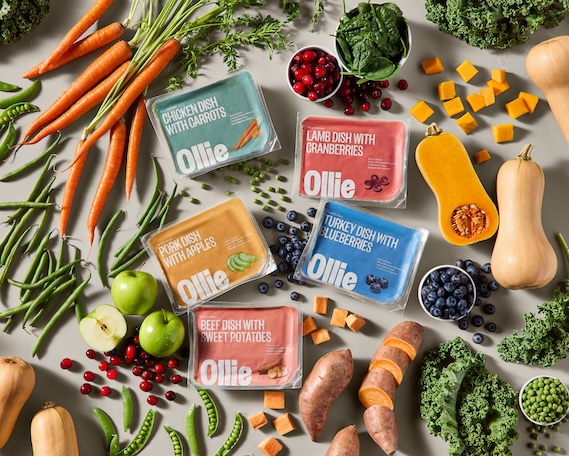
What Ingredients Are In Fresh Dog Food?
Discover the real, whole ingredients inside fresh dog food—from USDA-certified meats to nutrient-rich veggies and fruits—and how they support your dog’s long-term health.
31 August 2026
6 MINS READ
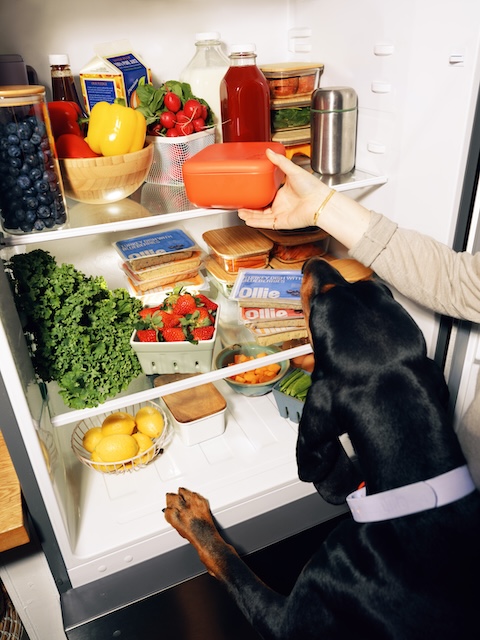
How Long Does Fresh Dog Food Last In The Fridge?
Fresh dog food lasts up to 4 days in the fridge once thawed or opened. Get expert food safety tips on proper storage, freezing, and spotting signs of spoilage from our Food Safety team.
by Christine Miller, Director of Food Safety, Quality, and Regulatory
27 August 2026
5 MINS READ
Common Food Allergies for Dogs and How to Avoid Them
Like humans, dogs also have allergies that we as pet parents need to account for. Food can often be at the center of common food allergies and it’s important to learn about how to avoid them.