[EXCLUSIVE] Ollie Blog readers! 70% OFF your First Box + FREE Puzzle Toy is BACK + [BONUS] Free Jerky! Try now!
18 September 2025
9 MINS READ
Puppy Teething: Age Chart & How To Help
At first, it seems cute. Your puppy is nibbling your fingers or chewing on a toy a little more than usual. But pretty soon, it turns into nonstop gnawing, shredded socks, and a serious case of sore fingers. Welcome to the teething phase. Puppy teething is one of the less glamorous parts of raising a […]
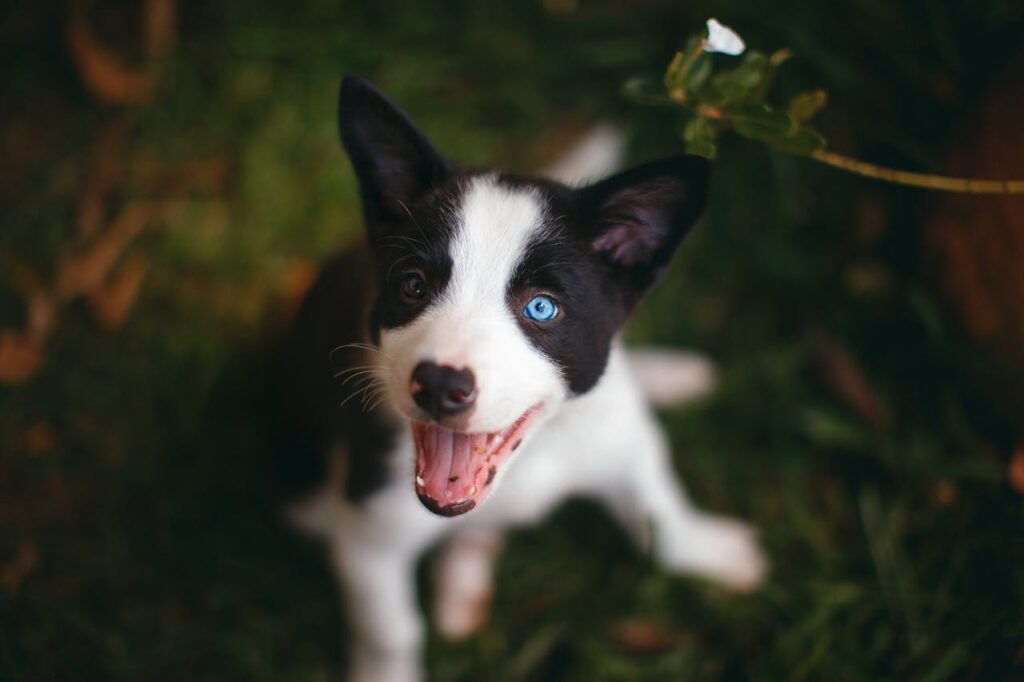

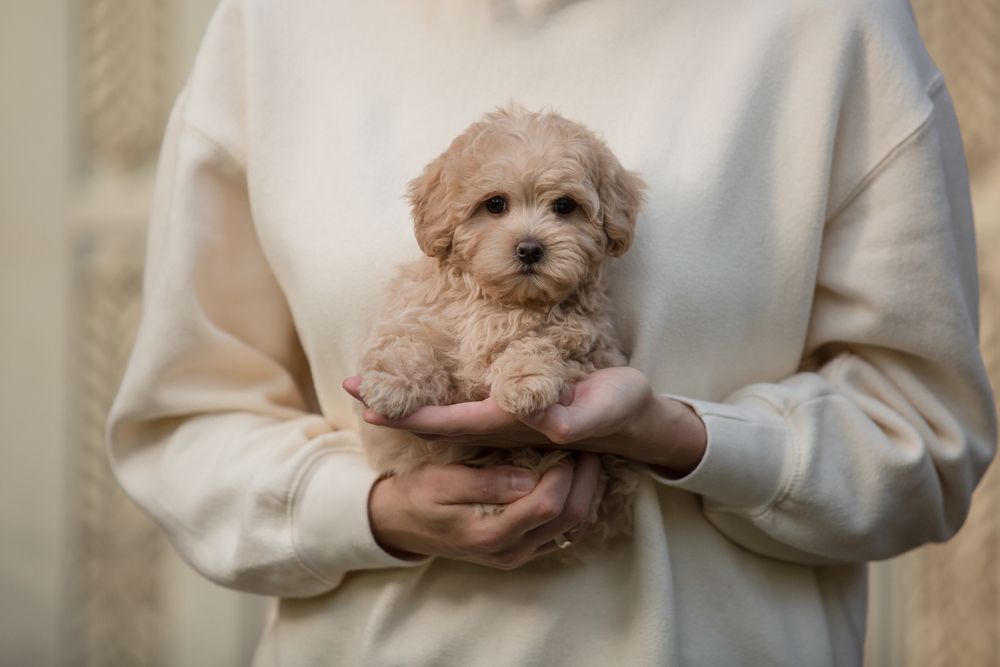
At first, it seems cute. Your puppy is nibbling your fingers or chewing on a toy a little more than usual. But pretty soon, it turns into nonstop gnawing, shredded socks, and a serious case of sore fingers. Welcome to the teething phase.
Puppy teething is one of the less glamorous parts of raising a young dog, but it’s totally normal and something every puppy (and every pet parent) has to go through. Just like babies, puppies grow a set of baby teeth before their adult ones come in. And just like babies, the process can be uncomfortable, messy, and loud.
In this guide, we’ll walk through exactly when teething starts and ends, how to tell it’s happening, and the best ways to support your pup through it. Whether you’re dealing with constant chewing, accidental nips, or blood spots on toys, you’re not alone—and there are simple ways to help.
Why Do Puppies Start Teething?
Teething is your puppy’s way of growing into their adult mouth. Just like humans, dogs are born without teeth and go through a baby-to-adult tooth transition as they grow. That process kicks off with the arrival of tiny baby teeth (also called deciduous teeth), followed by a second round of adult teeth pushing their way in.
The reason puppies chew on everything during this time is because their gums feel sore, swollen, or itchy. Chewing helps relieve the pressure as each new tooth breaks through. It’s not about bad behavior or disobedience—it’s a natural (and sometimes uncomfortable) part of development.
Teething also helps your puppy explore their world. Dogs use their mouths like we use our hands, and when everything hurts, it’s even more tempting to chew on fingers, toys, shoes, or furniture.
Understanding why teething happens can make it easier to be patient during the biting and chewing stage. It’s your puppy’s way of adjusting to their growing body—and with the right support, it doesn’t have to be a nightmare.
When Do Puppies Start Teething?
Puppies technically start teething earlier than most people realize. Baby teeth begin to emerge at around 2 to 4 weeks old, although this happens while they’re still with the breeder. Most pet parents start noticing signs around 3 months of age, when those baby teeth begin falling out to make room for adult teeth.
This transition can catch people off guard. One day your pup seems content chewing on their plush squeaky toy, and the next they’re attacking the table leg like it owes them money. That’s because teething can cause sore, itchy gums, and chewing helps relieve the pressure.
By 12 to 16 weeks old, most puppies are in the thick of teething. Chewing ramps up, biting becomes more frequent, and they may show signs of discomfort like drooling or irritability. While it can be a tough phase, it’s all part of healthy development.
When Do Puppies Stop Teething?
The teething phase doesn’t last forever, even if it feels like it when your pup is chewing on everything in sight.
Most puppies finish teething by the time they’re 6 to 7 months old. That’s when all 42 adult teeth should be in place. Once those permanent teeth come in, the constant biting and chewing usually settle down—though many dogs still enjoy gnawing as a form of play or stress relief.
Small breeds tend to finish teething a little sooner than larger breeds. But regardless of size, every dog goes through the same baby-to-adult tooth transition. Some may breeze through it, while others struggle with discomfort for a few weeks.
If your puppy is still showing intense chewing behavior after 7 months, it could be a habit that stuck—or it might be time to check in with your vet or a trainer to rule out other causes.
Puppy Teething Timeline: Age Chart
To make the teething process easier to follow, here’s a simple breakdown of what typically happens and when:
| Puppy Age | Teething Stage | What’s Happening |
| 2–4 weeks | Baby teeth start to emerge | Puppies still with breeder, no signs yet at home |
| 5–6 weeks | Baby teeth fully in | Sharp little teeth used for nursing and play |
| 8–12 weeks | Baby teeth begin falling out | Teething begins, early chewing behavior starts |
| 12–16 weeks | Adult teeth start growing in | Peak teething, gums may be sore and inflamed |
| 4–6 months | More adult teeth come in | Lots of chewing and biting to ease discomfort |
| 6–7 months | Full set of adult teeth (42) | Teething ends, chewing often slows down |
Every puppy is different, but most follow this general timeline. It’s helpful to know what to expect so you can prepare with the right chew toys, soothing options, and lots of patience.
Signs Your Puppy Is Teething
Teething doesn’t just show up overnight with a big announcement. It usually creeps in with small changes that, if you know what to look for, can help you spot it early and make your pup more comfortable.
Here are the most common signs your puppy is teething:
- Increased chewing: If your puppy suddenly has a new obsession with gnawing on shoes, furniture legs, or even your hands, it’s probably teething-related.
- Red or swollen gums: You might notice puffiness or tenderness, especially around the molars.
- Small blood spots on toys: A little blood on chew toys is normal and just means a baby tooth likely came loose.
- Excessive drooling: Some pups drool more when their gums are irritated.
- Irritability or restlessness: Teething can be uncomfortable. If your puppy seems cranky or hard to settle, sore gums could be to blame.
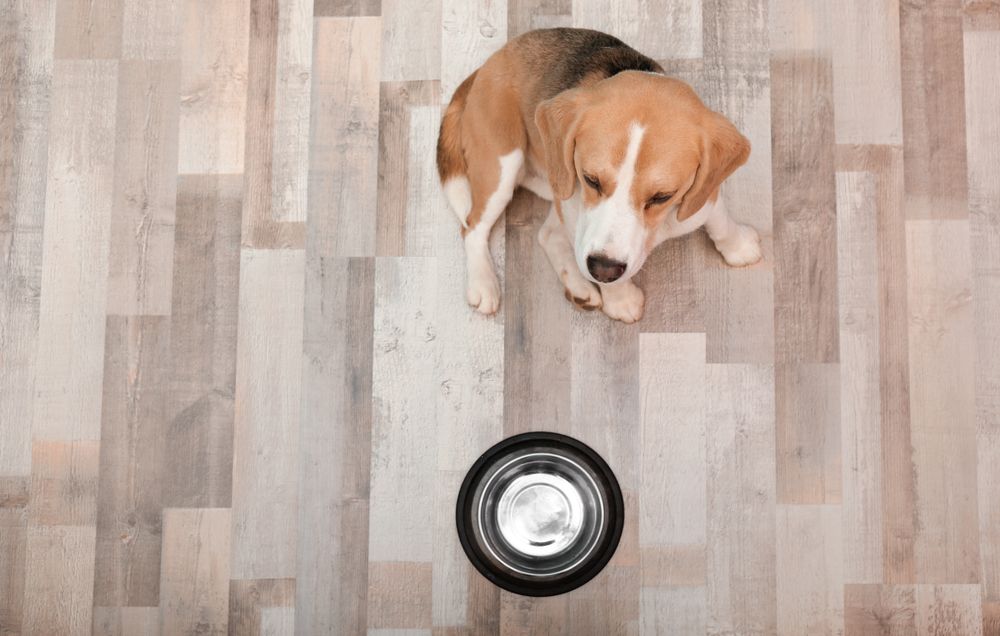
- Slower eating: Chewing hard kibble might be painful, so they may eat less or take longer at mealtime.
- Visible baby teeth falling out: You might find tiny teeth on the floor or in their bed. Sometimes they swallow them without you even noticing.
Keep in mind, every puppy reacts differently. Some breeze through this stage with minimal drama, while others seem completely thrown off their routine.
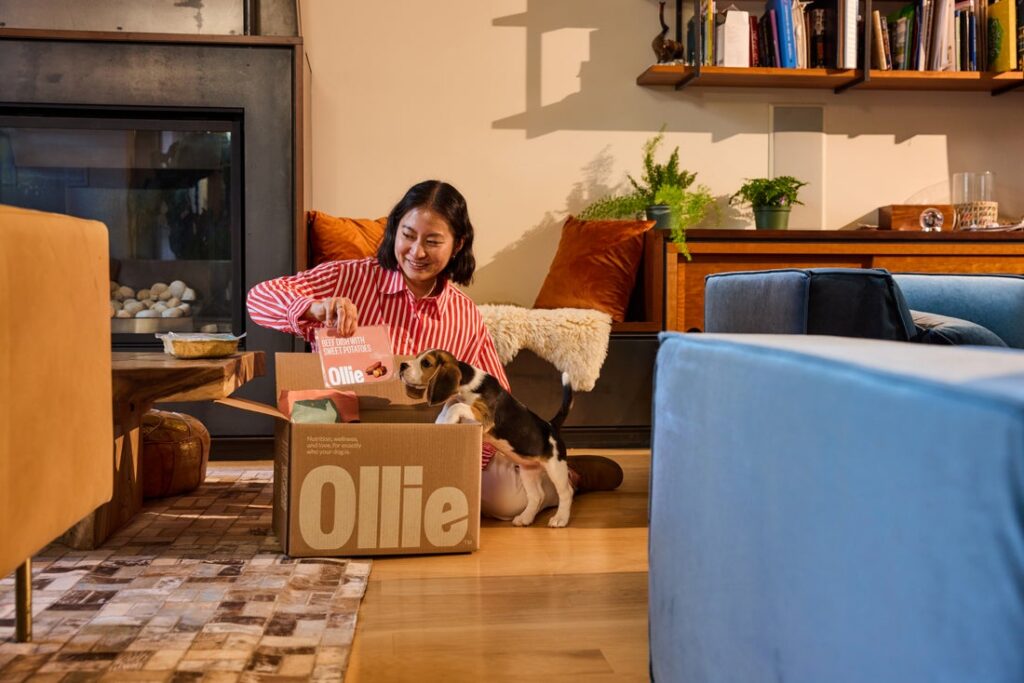
How to Help a Teething Puppy
The best thing you can do during teething? Offer relief. Your puppy isn’t chewing out of spite. They’re looking for ways to ease the discomfort.
Here are a few simple, safe ways to help your teething puppy feel better:
1. Offer Soothing Chew Toys
Rubber toys, especially ones made for teething puppies, can help massage sore gums. Look for textures that give a little but aren’t too soft or too hard.
2. Try Frozen Treats or Toys
Cold helps numb sore gums. You can:
- Freeze a clean, wet washcloth for them to chew on.
- Give frozen baby carrots or green beans.
- Stuff a toy with plain yogurt or mashed banana and freeze it.
3. Use Puppy-Safe Dental Chews
Choose dental chews made for puppies that aren’t too tough on sensitive mouths. Avoid hard bones or anything that could damage baby teeth.
4. Gently Massage Their Gums
If your puppy lets you, rubbing your finger along their gums can bring some comfort. Just make sure your hands are clean, and keep it brief.
5. Redirect Chewing
Every time your puppy starts gnawing on something off-limits, calmly swap it with an approved chew toy. Be consistent. They’ll catch on.
6. Offer Plenty of Enrichment
Mental stimulation and play can distract from discomfort. Puzzle toys, training games, or even short walks can help keep your pup focused on something other than their mouth.
Consistency and patience go a long way here. The more proactive you are, the smoother this phase will be—for both of you.
How to Stop a Puppy From Biting or Chewing Everything
If your hands, furniture, shoes, and sleeves are all fair game right now, you’re not alone. Teething puppies explore the world with their mouths, and that means a lot of biting and chewing. But with some patience and redirection, you can teach your pup what’s okay to bite—and what’s off-limits.
Set Clear Boundaries with Redirection
Every time your puppy starts chewing something they shouldn’t, calmly swap it out with an appropriate chew toy. Praise them when they chew the right item. This teaches them what’s allowed and what isn’t without punishment.
Avoid Rough Play with Hands
It might seem harmless when your puppy play-bites your hands, but it can become a habit that sticks. Try not to use your hands as toys, even if the biting seems gentle.
Use Commands Like “Leave It” or “Drop It”
Start building simple impulse control commands. Say “leave it” firmly when your puppy mouths something off-limits, then redirect with a toy. Reward them for listening.
Timeouts for Persistent Biting
If your puppy keeps biting hard during play, stop the game immediately and walk away for a minute or two. This helps them learn that biting ends the fun.
Puppy-Proof Your Home
Remove temptation by keeping shoes, cords, bags, and furniture legs out of reach or blocked off. It’s not forever—just while they’re learning.
Teaching your puppy not to bite takes repetition and consistency, but this stage passes faster when you stay calm, redirect often, and celebrate small wins.
When to Be Concerned: Teething vs. Dental Problems
Teething can cause some discomfort, but it shouldn’t make your puppy miserable. If something feels off or your pup seems to be in more pain than expected, it’s worth checking in with your vet.
Call Your Vet If You Notice:
- Excessive drooling or swelling that doesn’t go away
- Foul breath that smells worse than typical “puppy breath”
- Lack of appetite or trouble eating for more than a day
- Bleeding that won’t stop or gums that look infected
- Retained baby teeth that don’t fall out when adult teeth come in
Sometimes baby teeth don’t come out on their own, which can cause crowding or misalignment. In some cases, your vet may need to remove them.
It’s also smart to get your puppy used to dental care early. Start gently brushing their teeth once teething slows down to prevent future problems.
How Ollie Supports Healthy Puppy Teething
Teething is a physical process, but what your puppy eats during this stage can make a big difference. A balanced, nutrient-rich diet supports strong teeth, healthy gums, and overall growth—which helps ease some of the strain teething puts on their little bodies.
Here’s how Ollie helps your puppy during the teething phase:
- Real, whole ingredients: Fresh proteins, fruits, and veggies support bone and dental health from the inside out.
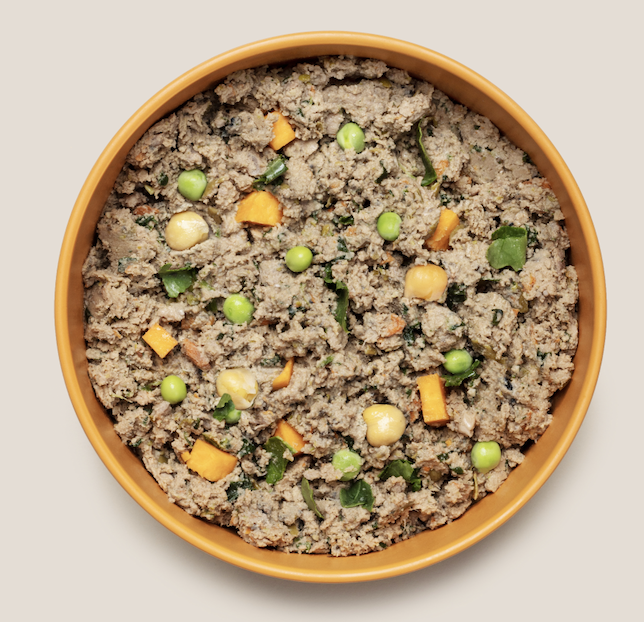
- Soft, easy-to-chew meals: When your puppy’s gums are sore, soft fresh food is gentler to eat than hard kibble.
- No fillers or artificial junk: We leave out the additives that can irritate sensitive tummies, especially during teething.
- Pre-portioned meals: Get the right amount of food for your puppy’s age, weight, and growth stage, with no guesswork.
Ollie fresh dog food isn’t just good for puppies, they’re designed to grow with them. We make it easy to give your pup the foundation for lifelong health (and fewer chewed-up shoes in the meantime).
Teething Doesn’t Last Forever
Puppy teething can be rough—for you and your pup. But with the right knowledge, tools, and a little bit of patience, you’ll both make it through just fine. Offer safe ways to chew, keep up with redirection, and support your puppy with high-quality food that keeps their body strong and growing.
Before you know it, those tiny shark teeth will be replaced by a full set of adult chompers—and your hands and furniture will finally get a break.
Support your teething puppy with real food that’s gentle on gums and strong on nutrition.
Start building your puppy’s personalized Ollie meal plan today.
Frequently Asked Questions
Is it normal for puppies to bleed while teething?
Yes, a little blood on toys or chews is common when baby teeth start falling out. But if you see excessive or constant bleeding, check in with your vet.
How long does teething last for puppies?
Most puppies finish teething by 6 to 7 months old. The most intense period is usually between 12 and 16 weeks.
Can I give my puppy ice cubes for teething?
Yes, small ice cubes or frozen carrots can help soothe sore gums. Just supervise to prevent choking.
My puppy is chewing everything. Is that normal?
Yes! Chewing is a natural response to teething discomfort. Redirect it toward safe chew toys, and be patient—it gets better.
Do puppies swallow their baby teeth?
Often, yes. Most puppies lose their baby teeth while playing, chewing, or eating. It’s harmless if they swallow them.
Tagged As:
The nutrition your dog needs,
the food they want.
Written by:
Ollie is a dog-first company providing fresh, healthy food for dogs of all ages, breeds, and sizes.
Enjoying our articles? Subscribe our Newsletters and get new articles directly to your inbox
You might also like
13 August 2026
6 MINS READ
Puppy Gas: 5 Reasons Your Dog Is Gassy & What To Do About It
Dog gas (i.e., flatulence) can be the butt of many jokes, but this stinky sign may indicate that your pooch has serious digestive distress. Understanding the origins of your pup’s odor can help c…
24 June 2026
12 MINS READ
The Ultimate Dog Food Ingredient Guide: How Much Do Ingredients Actually Matter?
Staring at a dog food label shouldn’t feel like reading a chemistry textbook. Learn how to decode the first 5 ingredients, spot marketing red flags, and understand why your pup needs nutrients, not…
24 June 2026
6 MINS READ
Spotting and Ridding Your Dog of Fleas
Fleas are more than just a nuisance, they can impact your entire household. Learn how to spot the hidden signs of fleas on your dog, in your home, and how to safely rid your pup of these parasites …