[EXCLUSIVE for Ollie Readers!] 70% off + FREE jerky + FREE Puzzle Toy (it’s back!) Try now!
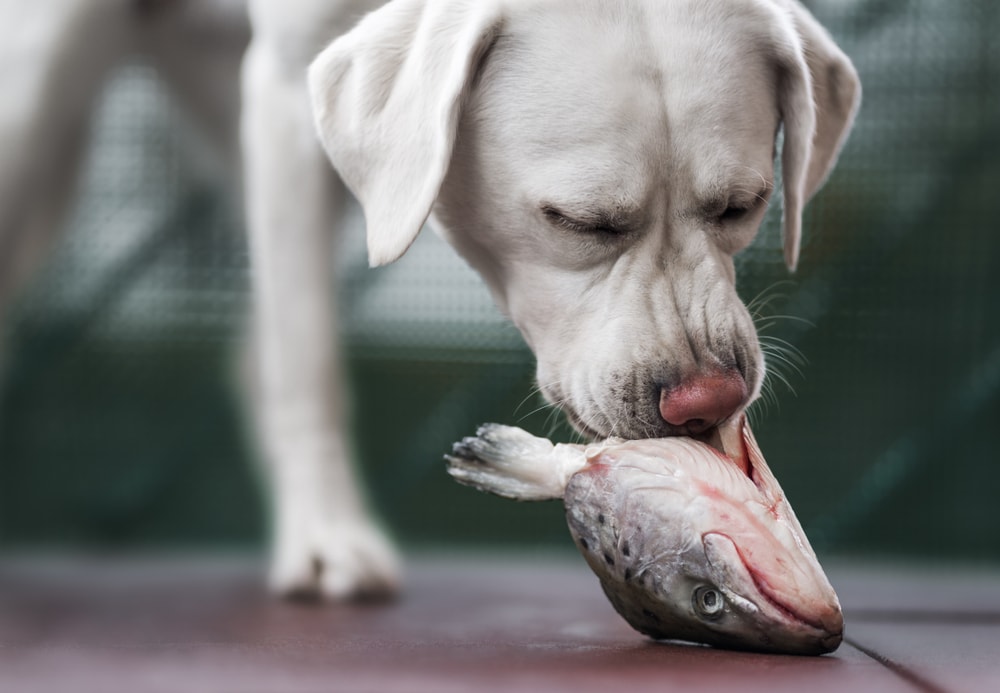

Omega-3 fatty acids for dogs are unquestionably important to your dog’s health. Fatty acids are the building blocks of fat, and an integral part of a balanced diet for your dog. Fats do amazing things inside the canine body, including storing energy, developing healthy cells, organs, and tissues, supporting hormone production, and helping deliver vital vitamins to the liver for storage and to the small intestine for absorption.
What are Fatty Acids for Dogs?
Fat is good for dogs, but not all fat is created equal. That’s where fatty acids come in. Your dog’s body can produce certain kinds of fatty acids, but it can’t produce the “essential” ones. Essential because they are a must-have for good health and because they must be acquired through diet.
These essential fatty acids are divided into two groups called the omega-3 and omega-6 fatty acids. The best sources of omega-3 fatty acids for dogs are fish oils (herring, salmon, cod liver, etc.), flaxseed and canola oils. The best sources of omega-6 fatty acids are poultry fat (chicken, duck, etc.), pork fat, beef fat, safflower, and sunflower oils.
Are Omega-3 or Omega-6 Fatty Acids Better for Dogs?
A healthy diet for your dog will include a balance of both omega-3 fatty acids and omega-6 fatty acids. While both are important, not all sources are created equal. When you’re looking for a healthy dog food, make sure that you can recognize and pronounce all the ingredients on your dog’s food label. Read more about the best oils for your dog’s diet here.
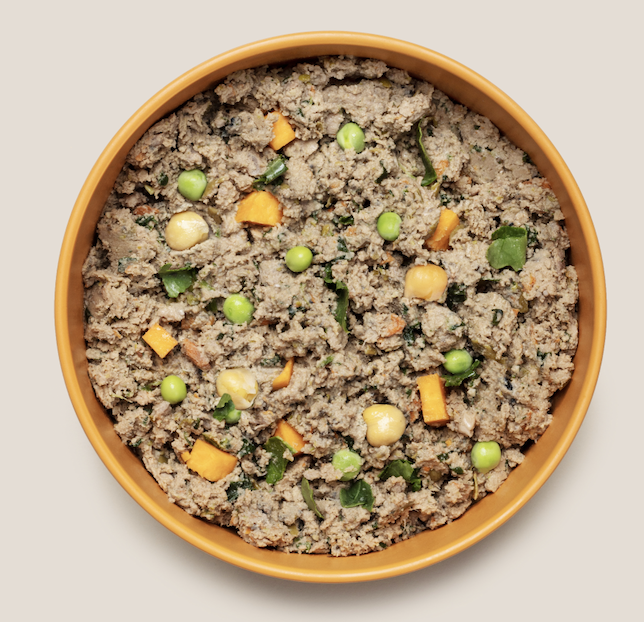
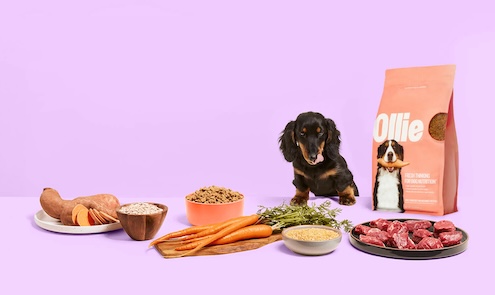
This is why Ollie dog food includes both omega-3 and omega-6 fatty acids into every single meal. The sources include human-grade ingredients, including meat like chicken, beef, and lamb, eggs, and oils like vitamin E, cod liver oil, and fish oil.
What’s a Healthy Amount of Fat for Dogs?
Now that we’ve established that fat and its fatty acid makeup is a big part of your dog’s nutrition, the next question is: How much fat should be in your dog’s diet? The percentage varies a little depending on your dog’s age, size, and activity level, but it’s roughly 30 percent. Even overweight dogs require a significant amount of fat as part of a healthy weight-loss plan.
If a dog’s diet is lacking in essential fatty acids, this can lead to serious conditions like degenerative eye disease and cardiac disorders. Developing a healthy diet for your dog with the proper balance of fats and essential fatty acids is a gift that gives back in quantity and quality through healthy organs, muscles, and joints. This means a body that not only enjoys full activity now, but is bolstered for years of activity to come.
The Ollie blog is devoted to helping pet parents lead healthier lives with their pups. If you want to learn more about our fresh, human-grade food, check out ollie.com.
Tagged As:

The nutrition your dog needs,
the food they want.
Written by:



Enjoying our articles? Subscribe our Newsletters and get new articles directly to your inbox
You might also like

30 September 2026
4 MINS READ
Is Fresh Dog Food Safe?
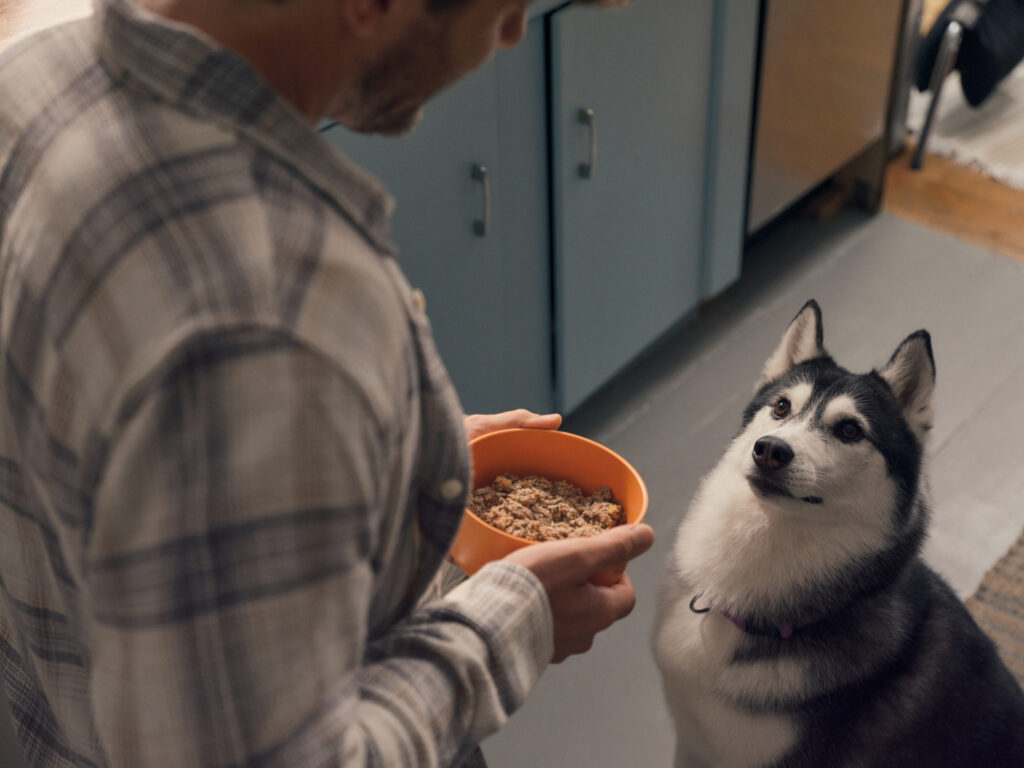
Fresh dog food is safe when made, stored, and served correctly. Learn common safety concerns, proper handling and storage tips, and how gently cooked meals protect your dog’s health while deliverin…
by Christine Miller, Director of Food Safety, Quality, and Regulatory
26 September 2026
9 MINS READ
How Ollie’s Fresh Food Meets (and Exceeds) WSAVA Guidelines on Selecting Pet Foods
Discover how Ollie’s fresh dog food recipes go above and beyond WSAVA standards to deliver complete, balanced, and evidence-based nutrition.
by Christine Miller, Director of Food Safety, Quality, and Regulatory
23 September 2026
11 MINS READ
What Is the Best Meat for Dogs? Healthiest Dog Food Protein Options
Choosing the best meat for dogs isn’t always simple, every protein has its pros and cons. In this guide, I break down the top meats for dog food, what makes them healthy, and how to pick the righ…